



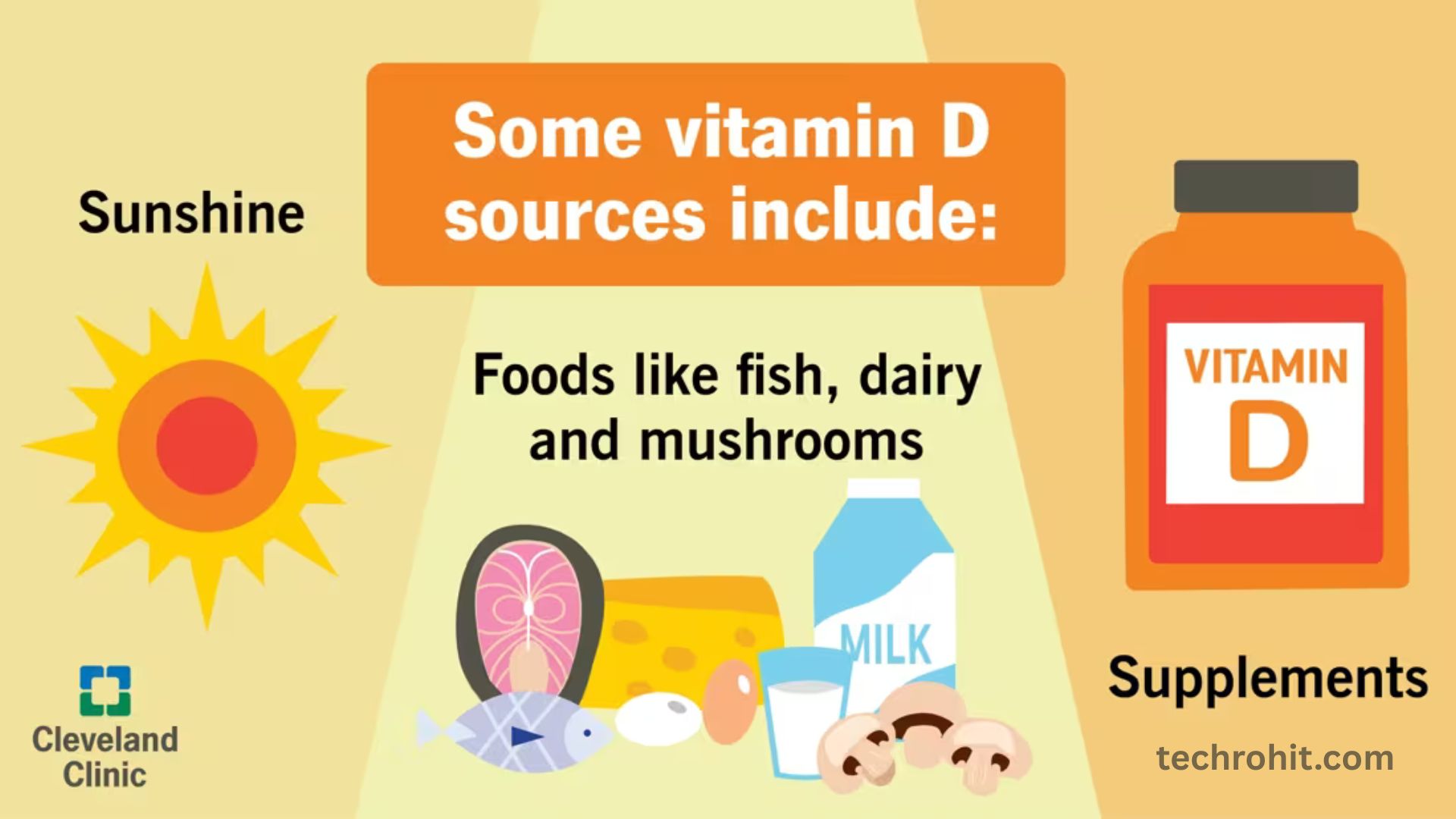
Vitamin D, often referred to as the “sunshine vitamin,” plays a critical role in bone health, immune function, and overall well-being. However, during the winter months, reduced sunlight exposure can make it challenging to get enough of this essential nutrient. Understanding how to maintain Vitamin D during winter months is crucial to prevent deficiencies and support long-term health.
In this article, we explore the importance of Vitamin D, how winter affects your levels, and practical strategies to ensure your body receives adequate amounts throughout the colder season.
Why Vitamin D Is Essential
Vitamin D is a fat-soluble vitamin that helps the body absorb calcium, supporting strong bones and teeth. It also plays a key role in immune system regulation, helping the body fight infections and inflammation. Low Vitamin D levels have been linked to conditions such as osteoporosis, cardiovascular disease, and weakened immunity.
During winter, the body often produces less Vitamin D because sunlight, the primary natural source, is limited. Maintaining proper levels is therefore important for overall health, mood regulation, and energy levels.
How Winter Affects Vitamin D Levels
In winter, the sun’s rays are weaker and days are shorter, reducing opportunities for skin exposure. People living at higher latitudes experience even more pronounced deficiencies. Cold weather often leads to spending more time indoors and wearing heavy clothing, further limiting sunlight exposure.
This seasonal dip in Vitamin D can result in fatigue, bone pain, and a higher susceptibility to colds and flu. Understanding these challenges allows individuals to take proactive steps to maintain Vitamin D during winter months effectively.
Natural Sunlight: The Primary Source
Sunlight is the most efficient way for the body to produce Vitamin D. When UVB rays strike the skin, they trigger Vitamin D synthesis. Ideally, exposing the face, arms, and hands to sunlight for 10–30 minutes several times a week can maintain healthy levels.
However, in winter, sunlight intensity is often insufficient. Cloudy skies, shorter days, and indoor lifestyles reduce the skin’s ability to produce Vitamin D naturally. This is why additional strategies are needed during colder months.
Dietary Sources of Vitamin D
Incorporating Vitamin D-rich foods into your diet is a practical approach to maintaining levels during winter. Fatty fish such as salmon, mackerel, and sardines provide high amounts of Vitamin D. Fortified foods like dairy, plant-based milks, and cereals can also help meet daily requirements.
Egg yolks and liver are additional sources, while mushrooms exposed to UV light contribute modest amounts. Consuming a variety of these foods ensures your body continues to receive Vitamin D, even when sunlight is limited.
Vitamin D Supplements
Supplements are a reliable way to maintain Vitamin D during winter months, especially for individuals at high risk of deficiency. Vitamin D3 (cholecalciferol) is generally preferred for its effectiveness in raising blood levels. Dosage depends on age, health status, and baseline Vitamin D levels.
Consulting a healthcare professional before starting supplements ensures safe and effective intake. Regular monitoring of blood levels helps tailor supplementation, preventing deficiencies without risking overconsumption.
Incorporating Lifestyle Changes
Lifestyle habits can enhance Vitamin D absorption during winter. Spending time outdoors during daylight hours, even in colder weather, allows for some UV exposure. Pairing sunlight with foods rich in Vitamin D and healthy fats improves absorption.
Engaging in outdoor activities like walking, running, or light exercises increases exposure while supporting overall physical and mental health. Consistency is key to ensuring that Vitamin D levels remain stable throughout winter.
Understanding Risk Factors
Certain populations are at higher risk of Vitamin D deficiency during winter. Older adults, people with darker skin, those who spend most of their time indoors, and individuals living in high latitudes are more susceptible.
Identifying risk factors allows for early interventions, including dietary changes, supplementation, and lifestyle adjustments. Maintaining awareness helps prevent long-term health complications associated with low Vitamin D levels.
Symptoms of Vitamin D Deficiency
Recognizing deficiency symptoms is essential. Common signs include fatigue, muscle weakness, bone pain, mood changes, and frequent illnesses. Severe deficiencies can lead to osteomalacia in adults and rickets in children, both of which affect bone health.
Early recognition and proactive measures, such as supplementation and dietary adjustments, help prevent these issues and ensure optimal Vitamin D during winter months.
Seasonal Strategies for Maintaining Levels
Planning for winter involves combining dietary intake, supplementation, and safe sunlight exposure. Including fatty fish, fortified foods, and egg yolks in weekly meals provides a steady supply of Vitamin D. Supplements can fill the gaps when sunlight and dietary sources are insufficient.
Outdoor walks during midday, even for 15–20 minutes, provide additional benefits. Layering these strategies ensures balanced Vitamin D intake and reduces the risk of seasonal deficiencies.
Read More: How to Relieve Bone-on-Bone Joint Pain and Improve Mobility
Combining Vitamin D with Overall Health Practices
Maintaining Vitamin D levels is most effective when paired with healthy lifestyle habits. Regular exercise, adequate sleep, and balanced nutrition contribute to overall well-being and optimize the body’s ability to utilize Vitamin D.
Limiting alcohol consumption and avoiding smoking further support bone health and immune function. Holistic attention to health enhances the benefits of maintaining Vitamin D during winter months.
Myths About Vitamin D
Several myths surround Vitamin D intake. One common misconception is that you cannot get enough Vitamin D from diet alone, but with careful planning, many people can meet requirements through food and fortified products. Another myth is that excessive supplementation is harmless; in reality, overconsumption can cause toxicity and health complications.
Understanding the facts helps individuals make informed decisions and maintain safe, adequate Vitamin D levels throughout winter.
Tracking Vitamin D Levels
Regular monitoring of Vitamin D through blood tests helps identify deficiencies early. Seasonal tracking is especially useful for high-risk populations. Adjusting dietary intake and supplementation based on blood levels ensures effective management.
Keeping a record of intake, outdoor activity, and supplementation helps create a consistent routine that maintains Vitamin D during winter months safely and efficiently.
Long-Term Benefits of Maintaining Vitamin D
Maintaining optimal Vitamin D levels throughout winter promotes strong bones, effective immune function, and improved mood. It also supports muscle strength, cardiovascular health, and overall energy levels.
Long-term adherence to strategies for maintaining Vitamin D during winter months reduces the risk of chronic diseases and enhances overall quality of life. Proactive management is key to enjoying these benefits year-round.
FAQs
Why is Vitamin D important in winter?
Vitamin D supports bone health, immunity, and mood. Winter sun is weaker, so levels can drop without intervention.
Can I get enough Vitamin D from food alone?
Yes, by eating fatty fish, fortified dairy, egg yolks, and mushrooms, you can meet many daily requirements.
Should I take supplements in winter?
Supplements, especially Vitamin D3, are effective when sunlight is limited. Consult a healthcare provider for dosage.
How much sunlight do I need in winter?
Short exposures of 10–30 minutes on face and arms a few times a week can help, but may not be enough at high latitudes.
Who is at higher risk of deficiency?
Older adults, people with darker skin, and those spending most time indoors are more likely to have low Vitamin D.
What are signs of deficiency?
Fatigue, bone pain, muscle weakness, mood changes, and frequent illnesses can indicate low Vitamin D levels.
Can lifestyle changes help maintain Vitamin D?
Yes, outdoor activity, diet rich in Vitamin D, and supplements combined improve overall Vitamin D status.
Is too much Vitamin D harmful?
Yes, excessive supplementation can cause toxicity, leading to nausea, kidney problems, and calcium buildup.
Conclusion:
Ensuring adequate Vitamin D during winter months is vital for overall health, immunity, and well-being. By combining safe sunlight exposure, nutrient-rich foods, supplementation, and lifestyle adjustments, individuals can maintain optimal levels even in the absence of strong winter sunlight.
Early recognition of risk factors and symptoms, along with regular monitoring, allows for proactive interventions that prevent deficiencies. Maintaining Vitamin D not only supports bone health but also boosts immunity, energy, and mood during the darker, colder months. Consistent effort and informed strategies make it possible to enjoy the full benefits of this essential nutrient year-round.
