



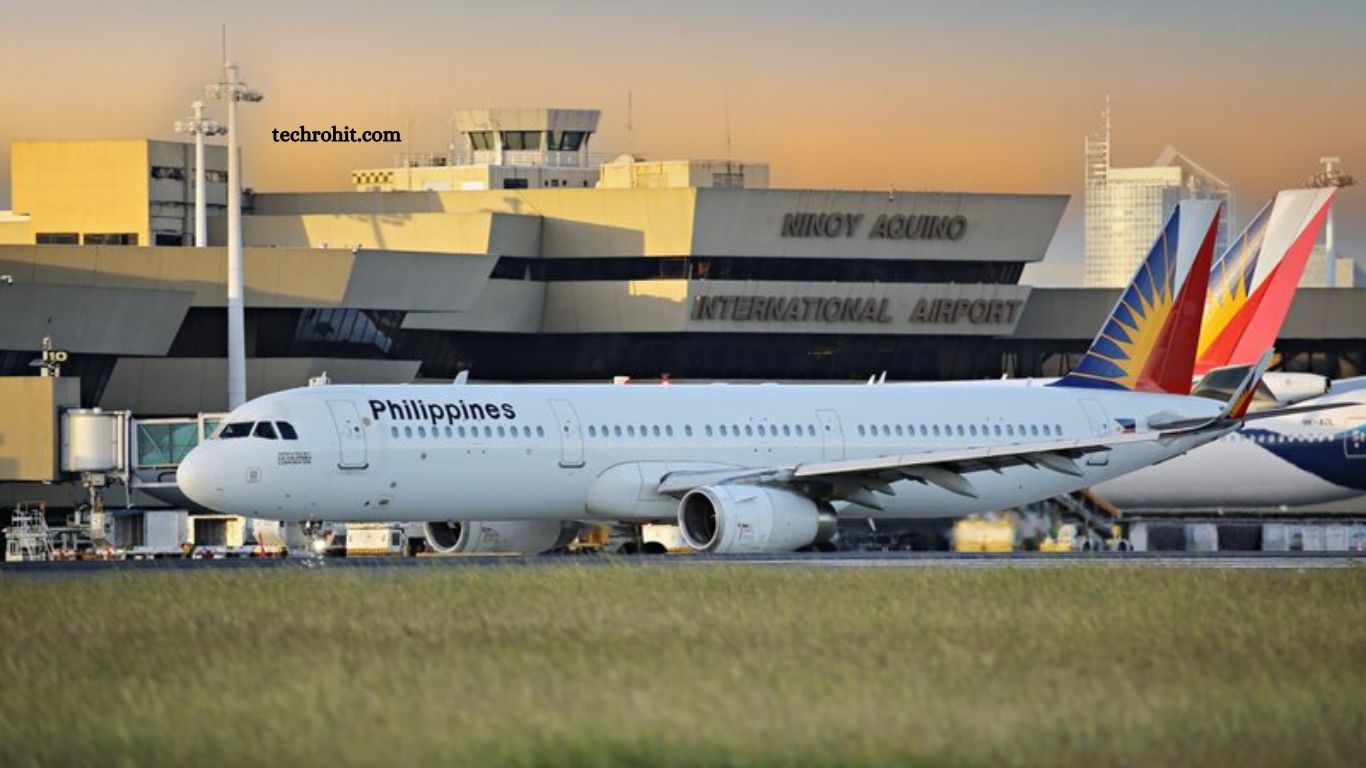
Ninoy Aquino International Airport (NAIA) begins major terminal reassignment for international airlines to create more organized passenger movement and stronger airport efficiency. Rising travel demand, crowded facilities, and operational pressure made this adjustment necessary for smoother daily operations.
New airline distribution across terminals aims to reduce delays, simplify check-in procedures, improve boarding coordination, and offer travelers a more convenient airport experience. Passengers flying on international routes should stay informed, as updated terminal assignments now play an important role in travel planning.
Read More: PS5 Remake of Popular PS1 Adventure Game Leaked: Everything Known So Far
Key Changes
New terminal allocation reorganizes airline distribution across NAIA terminals. Authorities aim to balance passenger volume, streamline check-in processes, and optimize gate usage. International carriers now operate within designated terminals based on route demand, aircraft capacity, and operational requirements.
Passengers traveling abroad must verify updated terminal assignments before departure. Airlines are expected to communicate changes through official channels, including websites, booking confirmationscustomer and r service platforms.
Benefits for Travelers
Terminal reassignment delivers multiple advantages:
- Faster check-in procedures
- Reduced overcrowding
- Improved security screening flow
- Better access to airport facilities
Travelers experience smoother transitions from entry points to boarding gates. Efficient layout minimizes confusion, particularly during peak travel periods.
Impact on Airlines
Airlines benefit from structured terminal distribution. Improved gate management allows timely departures, fewer delays, and better coordination with ground services. Enhanced logistics support operational consistency, especially for high-frequency international routes.
Airline staff adapts to new layouts, ensuring seamless passenger assistance. Training programs and updated navigation systems support the transition phase.
Passenger Advisory
Travelers must take proactive steps:
- Confirm terminal details before heading to the airport
- Arrive earlier than usual during the initial implementation phase
- Monitor real-time updates from airlines
Transportation planning remains essential, as terminal changes may affect drop-off points, parking areas, and shuttle routes.
Future Outlook
Terminal reassignment represents a broader modernization initiative. Authorities continue exploring infrastructure upgrades, digital systems, and passenger experience enhancements. Long-term vision aims to position NAIA as a competitive regional hub within Southeast Asia.
Frequently Asked Questions
Why did NAIA reassign international airline terminals?
NAIA reassigned terminals to reduce congestion, improve passenger movement, and increase airport efficiency.
Which airlines are affected by terminal reassignment?
Several international carriers face relocation. Passengers should check airline announcements for exact terminal details.
Will terminal reassignment reduce flight delays?
Yes, better gate allocation and smoother ground coordination can help minimize operational delays.
How can passengers confirm the correct terminal?
Passengers can verify terminal information on airline websites, in booking emails, and in airport advisories.
Should travelers arrive earlier after terminal changes?
Yes, early arrival helps avoid confusion during the transition period and ensures smooth boarding.
Does terminal reassignment indicate further NAIA upgrades?
Yes, reassignment is part of the broader modernization efforts focused on passenger convenience and airport improvements.
Conclusion
NAIA terminal reassignment signals progress toward efficient airport management. Structured airline distribution improves travel experience and supports operational reliability. Passengers, airlines, and air authorities collect collective benefits from a fit-for-purpose, streamlined system, marking a phase in Philippine aviation development.
