



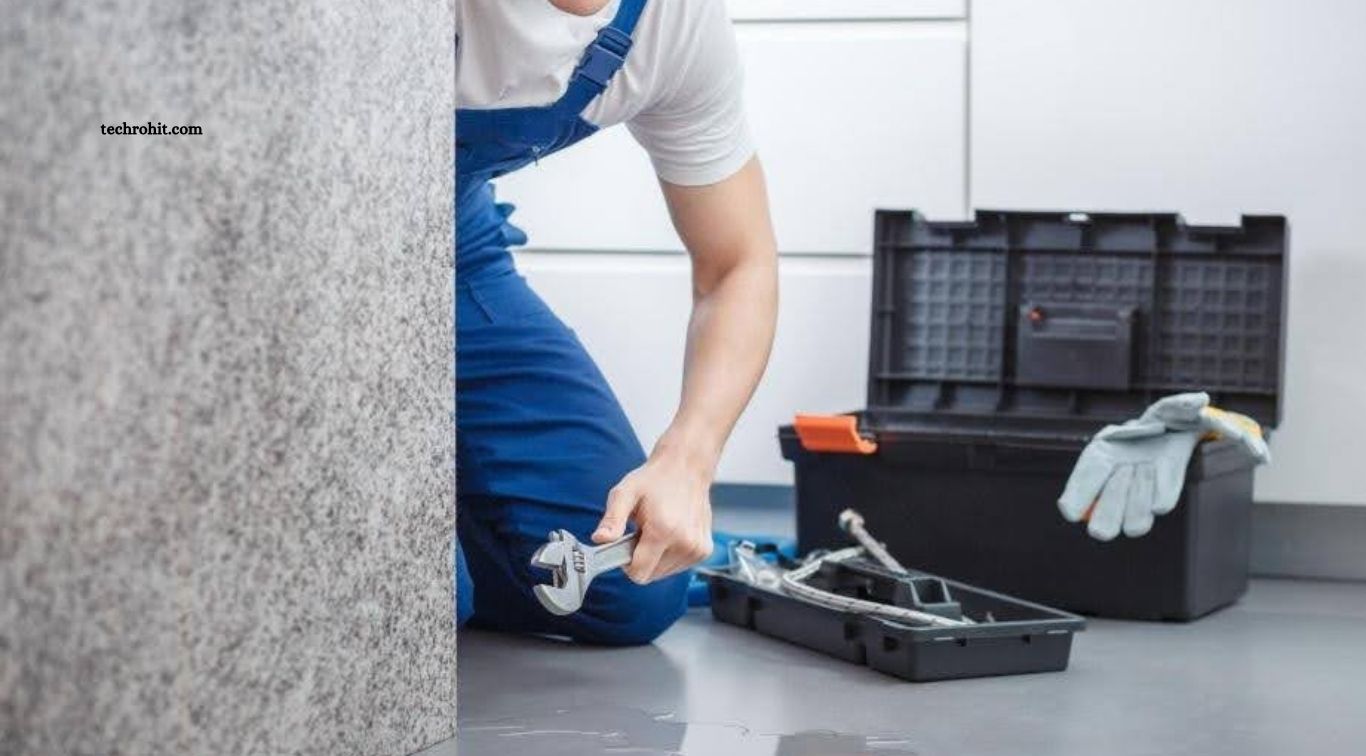
Regular home maintenance helps protect your property, prevent expensive repairs, and create a comfortable living environment. Small problems such as leaking faucets, blocked drains, damaged paint, or faulty electrical outlets can become serious when ignored. Taking care of these issues early can save money while keeping your home safe, clean, and functional throughout the year.
Every homeowner should follow a basic maintenance routine that covers plumbing, electrical systems, roofing, heating and cooling equipment, and indoor spaces. You do not need professional assistance for every small repair, but knowing when to handle a task yourself and when to contact an expert makes a significant difference. These practical home maintenance tips can help you protect your investment and avoid unexpected repair costs.
Read More: Best Interior Design Ideas for Small Homes
Inspect Your Roof Regularly
Your roof protects your home from rain, sunlight, wind, and changing weather conditions. Damaged shingles, loose tiles, cracked flashing, and blocked drainage areas can allow water to enter the property. Check your roof from the ground periodically and look for visible signs of damage, especially after heavy rain or strong winds. Pay attention to water stains on ceilings because they may indicate a hidden roof leak.
Professional roof inspections can identify problems that are difficult to notice from outside. Avoid climbing onto a steep or damaged roof without proper equipment and experience. Cleaning gutters, removing nearby branches, and repairing minor damage early can help extend the roof’s lifespan. If you notice persistent leaks or structural concerns, contact a qualified roofing professional.
Check Plumbing Systems for Leaks
Plumbing problems can waste water and damage walls, floors, cabinets, and ceilings. Inspect faucets, showerheads, exposed pipes, toilets, and connections under sinks for dripping water or moisture. Even a small leak can increase water bills over time and create conditions that encourage mold growth. Check water pressure regularly because sudden changes may indicate a blockage, leak, or plumbing issue.
Fixing a loose faucet connection or replacing a worn washer may be manageable for someone with basic repair skills. However, hidden pipe leaks, damaged water lines, and recurring drainage problems require professional attention. Know where your main water shutoff valve is located so you can stop the water supply quickly during an emergency. This simple step can prevent extensive damage if a pipe suddenly bursts.
Clean Gutters and Downspouts
Gutters help direct rainwater away from your roof, walls, and foundation. Leaves, dirt, branches, and other debris can block water flow, causing overflow and moisture damage. Inspect gutters regularly, particularly during seasons when trees shed leaves or after severe weather. Make sure downspouts carry water away from the building rather than allowing it to collect near the foundation.
Cleaning gutters can reduce the risk of roof damage, damp walls, and foundation problems. Use appropriate safety equipment and avoid working from an unstable ladder. If gutters are difficult to reach, damaged, or poorly installed, hire a professional to inspect and repair them. Consider installing gutter guards if debris frequently collects around your property.
Maintain Heating and Cooling Systems
Heating, ventilation, and air conditioning systems help maintain indoor comfort throughout the year. Dusty filters can restrict airflow, reduce efficiency, and make equipment work harder than necessary. Check the manufacturer’s instructions and clean or replace filters according to the recommended schedule. Also, keep vents and air returns free from furniture, curtains, and other obstructions.
Professional servicing can help identify worn components, refrigerant problems, electrical faults, and drainage issues before they cause major breakdowns. Schedule maintenance before periods of heavy use, such as summer or winter. If your system makes unusual noises, produces unpleasant smells, or struggles to maintain the desired temperature, arrange an inspection instead of repeatedly adjusting the thermostat.
Test Smoke Detectors and Carbon Monoxide Alarms
Safety devices play an essential role in protecting everyone inside a home. Smoke detectors provide early warnings during fires, while carbon monoxide alarms can alert occupants to a dangerous buildup of this invisible gas. Test these devices according to their manufacturer’s instructions and replace batteries when needed. Make sure alarms are installed in appropriate locations and remain unobstructed.
Never ignore a detector that repeatedly sounds or displays a warning. Replace expired devices and follow local safety recommendations for installation and maintenance. If a carbon monoxide alarm activates, move everyone outside to fresh air and contact emergency services or the relevant authorities. Do not return indoors until the property has been declared safe.
Keep Electrical Systems in Good Condition
Electrical problems can create serious safety risks, including electric shocks and fires. Check visible outlets, switches, plugs, and power cords for cracks, burn marks, loose connections, or unusual heat. Avoid overloading extension boards and power strips with too many appliances. Keep electrical equipment away from water and use suitable protection in kitchens, bathrooms, and outdoor areas.
Never attempt complicated electrical repairs without the necessary training. Frequently tripping circuit breakers, flickering lights, burning smells, or buzzing outlets should be inspected by a licensed electrician. Regular professional checks are particularly important in older properties where wiring and electrical components may have deteriorated. Proper maintenance helps reduce risks and keeps household equipment operating reliably.
Prevent Moisture and Mold Growth
Excess moisture can damage paint, plaster, wooden furniture, flooring, and other building materials. It can also encourage mold growth, especially in bathrooms, kitchens, basements, and poorly ventilated rooms. Look for condensation on windows, damp patches, peeling paint, and musty smells. Repair plumbing leaks quickly and use exhaust fans or open windows when cooking and bathing to reduce indoor humidity.
Improving ventilation is one of the simplest ways to control moisture. Keep air vents clear, allow wet surfaces to dry, and avoid placing furniture directly against damp walls. Small areas of surface mold may sometimes be cleaned safely using suitable products and protective equipment, but extensive growth or recurring moisture problems need professional assessment. Addressing the source of moisture is more important than simply covering visible stains with paint.
Protect Walls, Doors, and Windows
Walls, doors, and windows need regular attention because weather exposure and everyday use can gradually cause damage. Inspect painted surfaces for cracks, peeling, dampness, and signs of water entry. Check window frames for damaged seals and look for gaps around doors that allow outside air, dust, or insects to enter. Repairing these issues early can improve comfort and help maintain the property’s appearance.
Fresh paint, weatherstripping, and properly sealed windows can make a noticeable difference. Use suitable materials for the surface and local weather conditions, particularly when working on exterior walls. If cracks become wider, reappear after repairs, or appear alongside uneven floors and sticking doors, seek professional advice to determine whether a structural issue exists.
Maintain Kitchen and Bathroom Fixtures
Kitchens and bathrooms experience frequent water use, heat, and moisture, making regular maintenance especially important. Clean sinks, taps, drains, tiles, showerheads, and exhaust fans to prevent buildup and maintain hygiene. Check silicone seals around bathtubs, sinks, and shower areas for cracks or gaps that could allow water to reach hidden surfaces.
Replace damaged seals and repair dripping fixtures before they cause larger problems. Avoid pouring grease, food scraps, or unsuitable materials into kitchen drains because they can create blockages. In bathrooms, remove soap residue and maintain good ventilation to reduce moisture accumulation. Professional plumbing assistance may be necessary when blockages return frequently, or water drainage becomes unusually slow.
Inspect Your Home’s Foundation and Exterior
The foundation supports the entire structure, so visible changes around it should never be ignored. Walk around your property and look for unusual cracks, standing water, damaged exterior walls, or soil that slopes toward the building. Poor drainage can allow water to collect near the foundation, potentially increasing the risk of moisture intrusion and structural damage.
Keep plants and trees at a suitable distance from exterior walls and maintain proper drainage around the property. Small surface cracks may be cosmetic, but wide, growing, or uneven cracks deserve professional inspection. If doors and windows suddenly become difficult to operate or floors develop noticeable slopes, arrange an assessment by a qualified building professional.
Create a Seasonal Home Maintenance Checklist
A seasonal checklist makes home maintenance easier because it divides larger responsibilities into manageable tasks. During warmer months, inspect cooling equipment, outdoor paint, roof drainage, and garden areas. Before colder or rainy periods, check roof coverings, window seals, heating systems, and exposed pipes where freezing temperatures are possible. Adjust the schedule according to your local climate and the age of your property.
Keep a record of completed inspections, repairs, service dates, and equipment warranties. This information helps you identify recurring problems and plan future expenses. You can also set monthly reminders for simple tasks such as testing alarms, checking for leaks, and cleaning filters. A consistent routine is more effective than waiting until something breaks.
Know When to Hire a Professional
Some home maintenance tasks are suitable for homeowners, while others require specialist knowledge and equipment. Basic cleaning, replacing certain filters, checking visible leaks, and maintaining garden areas are generally manageable when proper instructions are followed. However, electrical repairs, major plumbing work, roof repairs, structural inspections, and gas-related problems should be handled by qualified professionals.
Before hiring a contractor, check their experience, references, licensing where required, and written estimates. Ask what the work includes, whether materials are covered, and what warranty applies. Avoid choosing a service provider based only on the lowest price. Reliable workmanship can prevent repeated repairs and provide better long-term value.
Frequently Asked Questions
How often should homeowners inspect their property?
Check visible areas monthly and arrange more detailed seasonal inspections to identify problems before they become expensive.
What home maintenance tasks should I do every month?
Check for leaks, test safety alarms, clean filters when needed, inspect visible electrical components, and look for signs of moisture.
How can I prevent expensive home repairs?
Follow a regular maintenance schedule, fix minor problems early, and arrange professional inspections for important systems.
When should I replace air conditioning filters?
Follow the manufacturer’s instructions. Some filters need monthly checks, while others can last longer depending on their type and usage.
Why is gutter cleaning important?
Clean gutters prevent water overflow, reduce moisture damage, and help direct rainwater away from your roof and foundation.
Which home repairs require professional help?
Major electrical, plumbing, roofing, gas, and structural repairs should be handled by qualified professionals.
Conclusion
Home maintenance is an ongoing responsibility that helps protect your property, improve safety, and reduce unexpected expenses. Regularly inspecting the roof, plumbing, electrical systems, gutters, appliances, and exterior surfaces can prevent small problems from developing into costly repairs. Creating a seasonal checklist and keeping records of completed work also makes property care easier to manage. By following these practical home maintenance tips and contacting professionals when necessary, every homeowner can maintain a safer, more comfortable, and longer-lasting home.

1 Comment
Pingback: Energy-Efficient Home Improvements That Save Money - TechRohit