



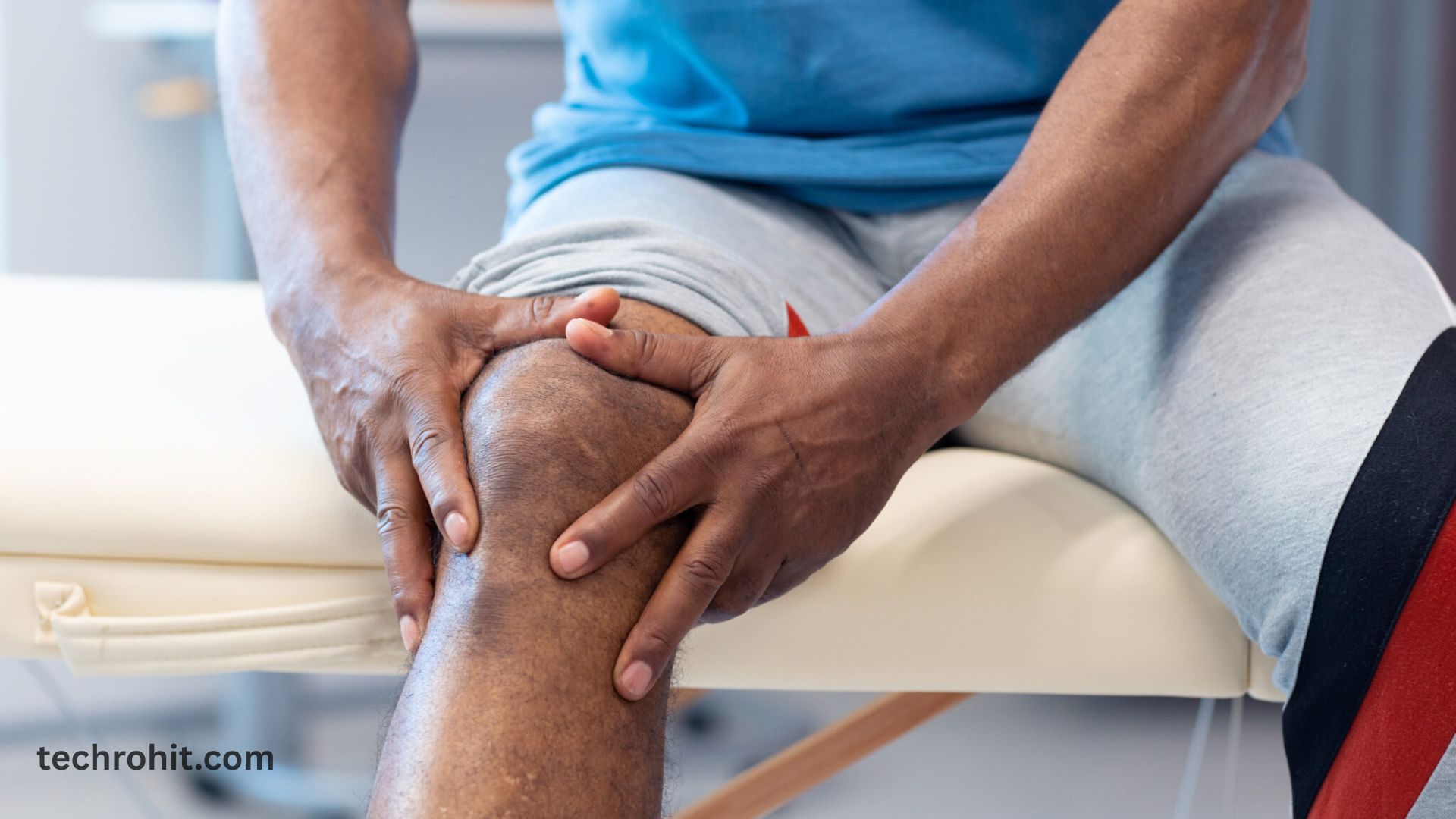
Bone-on-bone joint pain is a debilitating condition affecting millions worldwide. It occurs when cartilage that cushions the joints wears away, causing bones to rub directly against each other. This friction leads to chronic pain, stiffness, swelling, and reduced mobility. Daily tasks such as walking, climbing stairs, or sitting comfortably can become challenging. Understanding the causes, symptoms, and management strategies of bone-on-bone joint pain is essential for improving quality of life.
This article provides a detailed guide to recognizing bone-on-bone joint pain, exploring its causes, discussing treatments, lifestyle adjustments, and long-term management strategies.
Understanding Bone-on-Bone Joint Pain
Bone-on-bone joint pain is most commonly caused by osteoarthritis, a degenerative joint disease. Over time, the cartilage cushioning the joints deteriorates, leading to direct bone contact. Factors such as age, genetics, obesity, previous injuries, and repetitive stress can accelerate cartilage loss.
Other causes include inflammatory conditions like rheumatoid arthritis and post-traumatic arthritis, both of which damage cartilage and joint tissue. Identifying the underlying cause is crucial because treatment approaches may differ depending on the reason for the joint degeneration.
Symptoms to Watch For
The symptoms of bone-on-bone joint pain can vary depending on which joint is affected. Common signs include persistent pain during movement or even at rest, swelling, tenderness, stiffness, and decreased range of motion. Patients may also feel grinding or crunching sensations in the joint. Recognizing these symptoms early and seeking medical evaluation can prevent further damage and improve long-term mobility.
Diagnosing the Condition
Doctors diagnose bone-on-bone joint pain through a combination of patient history, physical examination, and imaging studies. X-rays, MRIs, and CT scans help assess cartilage loss, bone alignment, and severity of joint degeneration. Blood tests may also be conducted to rule out inflammatory or autoimmune causes. Early and accurate diagnosis is critical for determining the most effective treatment plan.
Non-Surgical Management
Many patients manage bone-on-bone joint pain effectively without surgery. Medications like acetaminophen and non-steroidal anti-inflammatory drugs (NSAIDs) reduce pain and inflammation. Physical therapy strengthens muscles surrounding the joint, improves flexibility, and decreases discomfort. Weight management is also crucial, as excess weight puts additional stress on weight-bearing joints, worsening symptoms.
Lifestyle Adjustments for Relief
Lifestyle changes play a significant role in reducing pain and maintaining mobility. Low-impact exercises such as swimming, cycling, and walking promote joint flexibility while minimizing strain. A diet rich in anti-inflammatory foods, including leafy greens, fatty fish, nuts, and olive oil, can also help manage symptoms. Applying heat and cold therapy alternately relaxes muscles and reduces inflammation, while assistive devices like braces and supportive footwear can make daily activities more comfortable.
Surgical Options
For severe cases where conservative treatments fail, surgical intervention may be necessary. Arthroscopy allows surgeons to clean joint surfaces or remove loose fragments. Osteotomy realigns bones to reduce pressure on affected joints. Joint replacement surgeries, particularly for knees, hips, or shoulders, are highly effective in relieving bone-on-bone joint pain and restoring mobility. Surgery is generally considered after non-surgical options are exhausted, and post-operative rehabilitation is crucial for optimal recovery.
Coping Strategies for Daily Life
Managing bone-on-bone joint pain requires adapting daily activities to minimize joint strain. Pacing tasks, using ergonomic furniture, and breaking activities into smaller steps help maintain independence. Mental health support is equally important, as chronic pain can lead to anxiety and depression. Support groups, counseling, and mindfulness practices can enhance coping skills and overall well-being.
Read More: Global Health Experts Monitor Rise in Seasonal Illness Cases
Prevention and Long-Term Management
Preventing or delaying cartilage loss is critical for reducing the severity of bone-on-bone joint pain. Maintaining a healthy weight, staying physically active with joint-friendly exercises, avoiding repetitive stress, and eating a nutrient-rich, anti-inflammatory diet are key preventive measures. Early medical consultation for joint discomfort allows timely intervention and reduces long-term joint damage.
Advances in Treatment
Research continues to explore new treatments for cartilage regeneration, stem cell therapy, and advanced pain management. Personalized medicine and targeted therapies promise more effective interventions tailored to individual needs. Innovations in minimally invasive surgery and regenerative medicine offer hope to millions suffering from bone-on-bone joint pain, improving mobility and long-term quality of life.
FAQs
What causes bone-on-bone joint pain?
Bone-on-bone joint pain is usually caused by osteoarthritis, where cartilage wears away, leading to bones rubbing against each other. Injuries and inflammation can also contribute.
What are the common symptoms?
Symptoms include joint stiffness, swelling, crunching sensations, reduced mobility, and persistent pain during movement or at rest.
Can lifestyle changes help?
Yes, low-impact exercise, weight management, a balanced anti-inflammatory diet, and supportive footwear can reduce stress on joints and relieve pain.
Are medications effective?
Pain relievers, NSAIDs, and corticosteroids can help manage inflammation and discomfort, especially when combined with therapy and lifestyle adjustments.
When is surgery needed?
Surgery, such as joint replacement, is considered when non-surgical treatments fail to relieve severe bone-on-bone joint pain and mobility is significantly limited.
How does physical therapy help?
Physical therapy strengthens muscles around the joint, improves flexibility, reduces pain, and helps patients maintain mobility for daily activities.
Can diet impact joint pain?
Yes, anti-inflammatory foods, omega-3s, and supplements like glucosamine can help reduce inflammation and support joint health.
Is bone-on-bone joint pain preventable?
While aging and genetics play a role, maintaining a healthy weight, exercising regularly, and avoiding joint injuries can reduce the risk or slow progression.
Conclusion:
Bone-on-bone joint pain is a challenging condition, but effective management is possible through lifestyle adjustments, physical therapy, medications, and surgery when necessary. Understanding causes, symptoms, and treatment options is vital for maintaining mobility and improving quality of life. Early intervention, personalized care, and awareness of preventive strategies allow patients to regain independence and live comfortably. With proper management and ongoing research, bone-on-bone joint pain can be controlled, enabling a more active and fulfilling life.
