



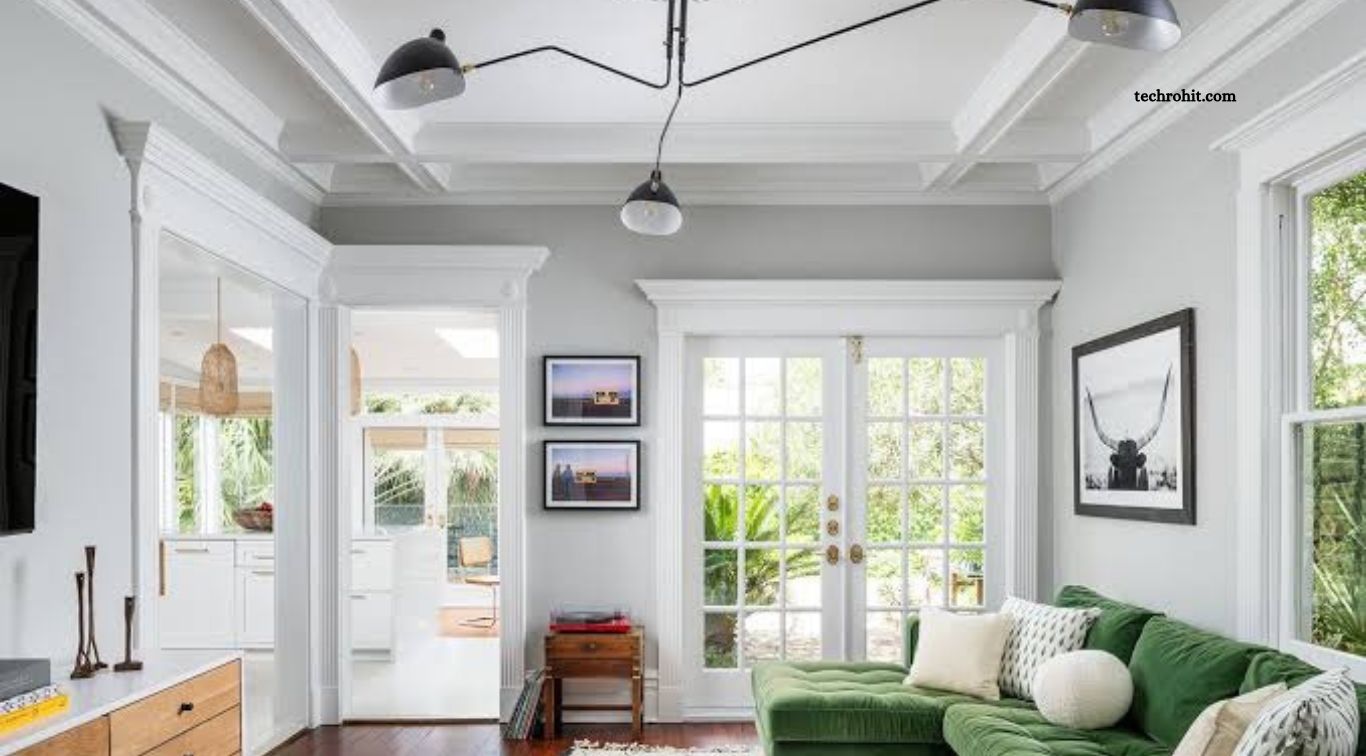
Home renovation does not have to cost a fortune to create a comfortable, attractive, and functional living space. Simple improvements, such as refreshing wall colors, updating cabinet handles, improving lighting, and reorganizing furniture, can make a noticeable difference without requiring a major investment. A well-planned renovation focuses on changes that deliver the greatest value while keeping unnecessary expenses under control.
The key to affordable home improvement is knowing where to spend money and where to save. Homeowners can often improve the appearance of kitchens, bathrooms, bedrooms, and living areas through small upgrades and carefully chosen materials. With realistic budgeting, basic DIY skills, and a clear plan, even modest improvements can help create a home that feels fresh and welcoming.
Read More: Home Improvement Ideas That Increase Property Value
Create a Realistic Renovation Budget
A clear budget is the foundation of a successful home renovation. Before purchasing materials or hiring contractors, list the improvements you want to make and estimate the cost of each project. Include expenses for paint, tools, fixtures, labor, transportation, and waste removal. Setting spending limits for individual tasks helps prevent small purchases from gradually pushing the total beyond your budget.
It is also wise to reserve around 10–20% of the planned budget for unexpected expenses, particularly in older homes. Hidden plumbing problems, damaged wiring, moisture, and structural issues can increase costs once renovation work begins. Prioritize essential repairs first, then allocate the remaining money to cosmetic upgrades. This approach helps maintain financial control without leaving important work unfinished.
Refresh Walls With Affordable Paint
A fresh coat of paint is one of the most affordable ways to change the appearance of a room. Light neutral shades can make smaller spaces feel brighter, while a carefully selected accent wall can introduce color without requiring paint for the entire room. Updating faded walls, old trim, and interior doors can also make a property look cleaner and better maintained.
Preparation is essential for achieving a professional-looking finish. Clean the surfaces, fill small holes, sand rough areas, and use a suitable primer where necessary. Compare paint coverage and durability instead of choosing a product based only on its lowest price. Buying the correct amount and using quality brushes or rollers can reduce waste and help the finish last longer.
Upgrade Kitchen Cabinets Instead of Replacing Them
Kitchen renovations can become expensive when homeowners replace cabinets, countertops, and appliances at the same time. If existing cabinets remain structurally sound, cleaning, repainting, or refinishing them can deliver a substantial visual improvement for much less money. New handles, drawer pulls, and hinges can also modernize the kitchen without requiring a complete redesign.
Start by checking whether cabinet doors and frames are damaged, swollen, or affected by moisture. Repair minor problems before applying paint or new finishes. Choose materials suitable for kitchen conditions, where grease, heat, and frequent cleaning can wear down surfaces. If countertops need improvement, compare affordable laminate options or other durable materials before committing to expensive stone surfaces.
Improve Lighting Without Major Electrical Work
Lighting can influence how spacious, warm, and practical a room feels. Replacing outdated bulbs with energy-efficient LED options is a relatively inexpensive upgrade that can improve illumination and reduce electricity consumption. Table lamps, floor lamps, and under-cabinet lights can also create useful lighting layers without requiring a complete electrical redesign.
Consider how each room is used before selecting lighting. Kitchens benefit from clear task lighting, while bedrooms and living areas often feel more comfortable with softer, adjustable illumination. Choose bulbs with suitable brightness and color temperature, and check fixture compatibility before buying replacements. Any work involving new wiring, overloaded circuits, or electrical repairs should be handled by a qualified professional.
Give Bathrooms a Low-Cost Makeover
A bathroom can look noticeably better without replacing every fixture. Deep cleaning, renewing worn sealant, replacing an old shower curtain, updating cabinet handles, and installing a new mirror can refresh the space at a manageable cost. Coordinating towels, storage containers, and accessories can also create a more organized appearance.
Water-related problems should never be ignored in the name of saving money. Damaged grout, persistent leaks, loose tiles, and poor ventilation can lead to moisture damage or mold. Repair these issues before investing in decorative upgrades. Choose bathroom materials that tolerate humidity, and use suitable products when renewing sealant or grout. If plumbing or waterproofing work is needed, professional repairs may prevent more expensive damage later.
Choose Affordable Flooring Improvements
Flooring can influence the appearance of an entire home, but replacing every surface is not always necessary. If existing hardwood or tile remains in good condition, thorough cleaning and appropriate refinishing may be enough to restore its appearance. Area rugs can cover worn sections, add warmth, and help define different zones within an open-plan room.
When replacement is necessary, compare options such as laminate, vinyl planks, and other budget-friendly flooring materials. Consider durability, water resistance, installation requirements, and the cost of underlay or surface preparation. Cheap flooring may become expensive if it wears quickly or is unsuitable for the room. Before installation, make sure the subfloor is dry, level, and free from significant damage.
Reuse Furniture and Decorate Creatively
Buying new furniture for every room can consume a large part of a renovation budget. Instead, consider repainting wooden furniture, changing cabinet hardware, replacing worn cushions, or using slipcovers to refresh existing pieces. Rearranging furniture can also improve movement, make better use of natural light, and create a more balanced layout without spending anything.
Secondhand furniture, local resale markets, and community listings can provide affordable alternatives when new items are necessary. Inspect used pieces for structural damage, pests, odors, and repair requirements before purchasing them. Decorative improvements do not need to be expensive either. Framed prints, indoor plants, simple curtains, and carefully arranged accessories can give a room personality without creating clutter.
Improve Storage and Organization
Better storage can make a home feel larger and more comfortable without changing its structure. Shelves, hooks, drawer organizers, storage baskets, and over-door racks can help reduce clutter in bedrooms, kitchens, bathrooms, and entryways. Using vertical space is especially useful in smaller homes because it creates additional storage without taking up much floor area.
Before buying organizers, review what you already own and remove items that are no longer useful. Measure available spaces carefully to avoid purchasing products that do not fit. Affordable shelves can be installed in suitable locations, but heavy items require secure mounting and appropriate wall anchors. Good organization makes everyday tasks easier and may reduce the need for costly built-in cabinets.
Make Small Exterior Improvements
The outside of a home contributes to its overall appearance and can reveal maintenance issues that need attention. Simple improvements such as cleaning the entrance, repainting a suitable front door, trimming plants, refreshing outdoor lighting, and repairing loose house numbers can make the property look more welcoming. Keeping pathways clear and removing accumulated dirt can also improve the entrance without a major investment.
Focus on maintenance before decorative changes. Inspect exterior walls, drainage areas, roof edges, and windows for visible damage or signs of water entry. Clean gutters where safe, remove vegetation that traps moisture against walls, and repair minor problems before they become more expensive. Work involving roofs, high ladders, structural damage, or electrical installations should be left to trained professionals when safety is a concern.
Save Money With DIY Projects
Doing some renovation work yourself can reduce labor costs, particularly for straightforward tasks such as painting, assembling furniture, installing simple shelves, or replacing decorative hardware. Online tutorials and manufacturer instructions can help beginners understand the tools and preparation required. Starting with a small project allows homeowners to develop skills before attempting more demanding improvements.
However, DIY work is not always the cheapest option if mistakes require professional repairs. Electrical wiring, gas installations, major plumbing changes, structural alterations, and other safety-critical tasks may require licensed professionals or permits. Compare the cost of tools, materials, your available time, and the risk of errors before deciding which jobs to handle independently. A balanced approach combines manageable DIY projects with professional assistance where necessary.
Shop Smart for Renovation Materials
Material costs can vary considerably between retailers, brands, and product grades. Compare prices from several suppliers, look for seasonal promotions, and ask whether discounts are available for bulk purchases. Leftover materials, clearance items, and reusable fixtures can offer savings, provided they are suitable for the project and available in sufficient quantities.
Avoid buying materials simply because they are discounted. Check measurements, specifications, quality, delivery charges, and return policies before placing an order. Purchase essential items according to the renovation schedule so they do not become damaged or occupy valuable space for months. Keeping receipts and recording expenses also makes it easier to track spending and identify areas where further savings are possible.
Prioritize Repairs That Protect Your Home
Not every renovation improvement provides the same level of value. Leaking pipes, damaged roofing, unsafe wiring, poor drainage, and structural problems should generally take priority over decorative features. Ignoring these issues can allow damage to spread, making future repairs more expensive and potentially affecting the safety of the household.
Once essential repairs are complete, focus on upgrades that improve comfort, efficiency, and everyday usability. Better insulation, draft sealing, efficient lighting, and suitable ventilation may reduce running costs over time. The right priorities depend on the property’s condition, climate, and household needs. A professional inspection can help identify hidden problems before a larger renovation begins.
Frequently Asked Questions
How can I renovate my home on a small budget?
Prioritize essential repairs, repaint walls, update hardware, reuse furniture, and complete manageable DIY projects.
Which renovation project costs the least?
Painting, changing cabinet handles, reorganizing storage, and updating simple decor are often affordable starting points.
Is DIY renovation worth the effort?
Yes, for suitable tasks such as painting and assembling furniture, but safety-critical work should be handled by qualified professionals.
How much extra money should I keep for unexpected costs?
Consider reserving around 10–20% of your renovation budget for unexpected expenses, especially in older properties.
How can I make my kitchen look newer cheaply?
Clean or repaint existing cabinets, replace handles, improve lighting, and organize countertops before considering major replacements.
Should I repair problems before decorating?
Yes. Fix leaks, damaged wiring, structural concerns, and moisture problems before spending money on cosmetic improvements.
Conclusion
Budget-friendly home renovation is possible when homeowners plan carefully, prioritize essential repairs, and focus on improvements that make a visible difference. Fresh paint, updated cabinet hardware, better lighting, affordable flooring, organized storage, and reused furniture can transform living spaces without requiring a complete remodel. Comparing materials and handling appropriate DIY tasks can create additional savings, while professional help protects against costly mistakes.
