



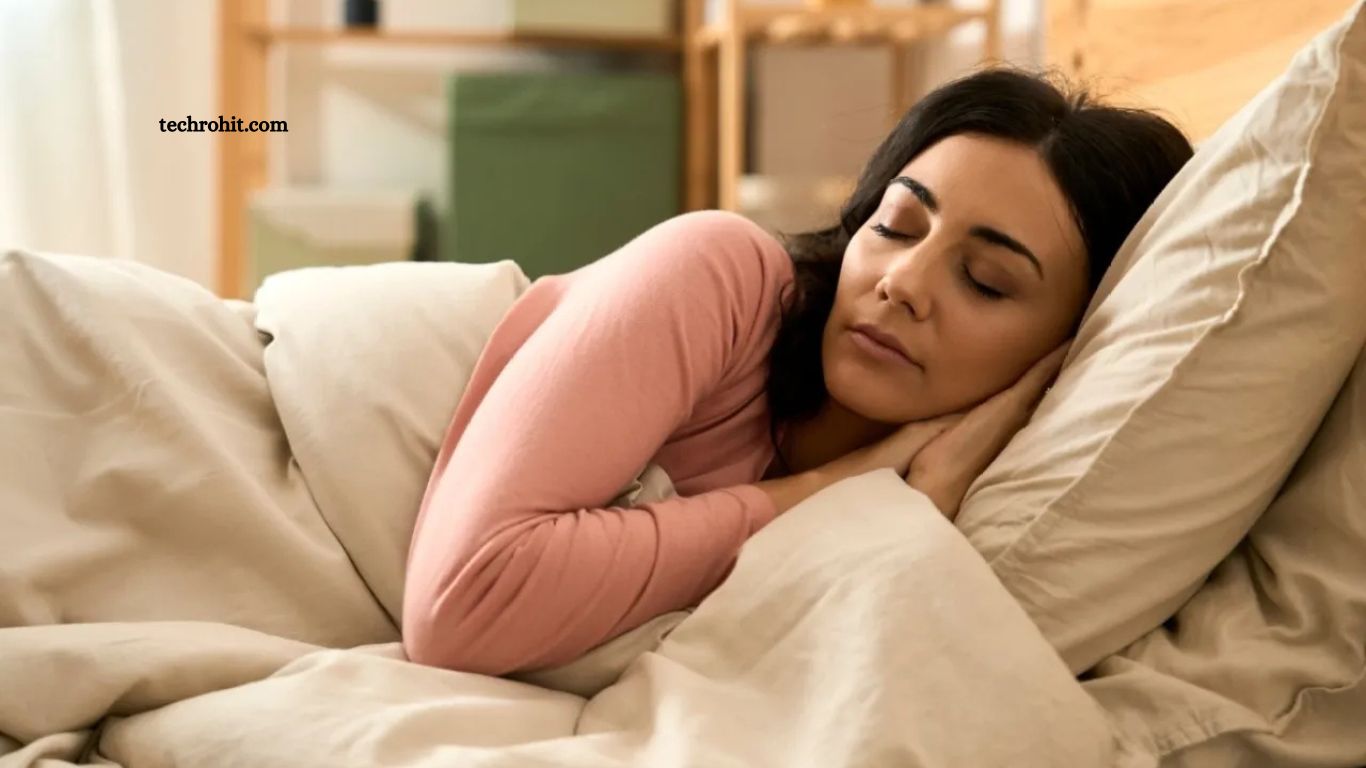
Sleep apnea is often misunderstood as a condition that mainly affects men, but doctors increasingly warn that women over 50 are also at significant risk, especially after menopause. The concerning part is that symptoms in women often appear differently,
Making them easier to overlook or misdiagnose. Understanding these hidden signs can make a major difference in long-term health, energy levels, and even heart protection.
Read More: What’s the Hype Around Magnesium, and Should You Take Supplements?
What Is Sleep Apnea?
Sleep apnea is a sleep disorder where breathing repeatedly stops and starts during sleep. These interruptions reduce oxygen levels and disturb normal sleep cycles, even if the person does not fully wake up.
The most common type is obstructive sleep apnea (OSA), which occurs when throat muscles relax and block the airway.
Over time, untreated sleep apnea can increase the risk of:
- High blood pressure
- Heart disease
- Stroke
- Type 2 diabetes
- Memory and concentration problems
Why Women Over 50 Are at Higher Risk
After menopause, hormonal changes—especially reduced estrogen and progesterone—can affect airway stability and breathing patterns during sleep.
Doctors note several contributing factors:
- Weight gain around the neck and upper body
- Decreased muscle tone in the airway tissues
- Higher likelihood of insomnia or fragmented sleep
- Increased risk of cardiovascular conditions
Because symptoms in women are often less “classic,” the condition is frequently missed.
Sleep Apnea Symptoms Women Over 50 Should Never Ignore
Unlike the loud snoring commonly seen in men, women often experience subtler signs.
Persistent Fatigue Despite Sleeping Enough
Feeling tired even after a full night of sleep is one of the most overlooked symptoms. The sleep cycle is repeatedly interrupted without awareness.
Morning Headaches
Reduced oxygen levels during sleep can trigger frequent morning headaches or pressure in the head.
Difficulty Concentrating
Memory lapses, brain fog, and reduced focus often appear before a sleep apnea diagnosis.
Mood Changes and Irritability
Depression, anxiety, or sudden mood shifts may be linked to poor-quality sleep.
Insomnia or Frequent Night Waking
Many women report trouble staying asleep, rather than obvious breathing pauses.
Night Sweats or Restless Sleep
Restlessness, frequent tossing, or waking up drenched in sweat can signal disrupted breathing.
Dry Mouth or Sore Throat in the Morning
Breathing through the mouth during sleep is a common compensation for airway blockage.
Unexplained Weight Changes
Sleep disruption can affect metabolism and hunger hormones, contributing to weight gain or difficulty losing weight.
Why These Symptoms Are Often Missed
Doctors emphasize that sleep apnea in women is frequently underdiagnosed because:
- Symptoms mimic stress, aging, or menopause
- Snoring may be mild or absent
- Fatigue is often dismissed as “normal aging.”
- Patients report mood or sleep issues instead of breathing problems
This leads to delayed diagnosis and increased health risks.
When to Seek Medical Help
If multiple symptoms appear together, especially chronic fatigue, morning headaches, and poor sleep quality, ty it is important to consult a healthcare professional. A sleep study (polysomnography) is the most reliable way to confirm sleep apnea.
Treatment Options That Work
Sleep apnea is highly treatable. Common approaches include:
- CPAP therapy (continuous positive airway pressure)
- Oral appliances to keep airways open
- Weight management strategies
- Sleep position adjustments
- In some cases, surgical options
Early treatment can significantly improve energy, mood, and heart health.
Frequently Asked Questions
What is sleep apnea in simple terms?
Sleep apnea is a sleep disorder where breathing repeatedly stops and starts during sleep, reducing oxygen levels and disturbing rest.
Why is sleep apnea common in women over 50?
Hormonal changes after menopause, weight changes, and reduced airway muscle tone increase the risk.
Can sleep apnea happen without loud snoring?
Yes. Many women have sleep apnea without noticeable snoring, making it harder to detect.
What is the most common symptom in women?
Ongoing fatigue despite enough sleep is one of the most reported symptoms.
Is sleep apnea dangerous if left untreated?
Yes. It can increase the risk of heart disease, high blood pressure, stroke, and diabetes.
How is sleep apnea diagnosed?
Doctors usually confirm it through a sleep study called polysomnography.
Conclusion
Sleep apnea in women over 50 often remains unnoticed due to subtle and misleading symptoms. Fatigue, sleep disturbance, mood changes, and morning headaches are frequently attributed to aging or stress, delaying proper diagnosis. Recognizing these early warning signs is essential for protecting long-term heart health, mental clarity, and overall quality of life.
