


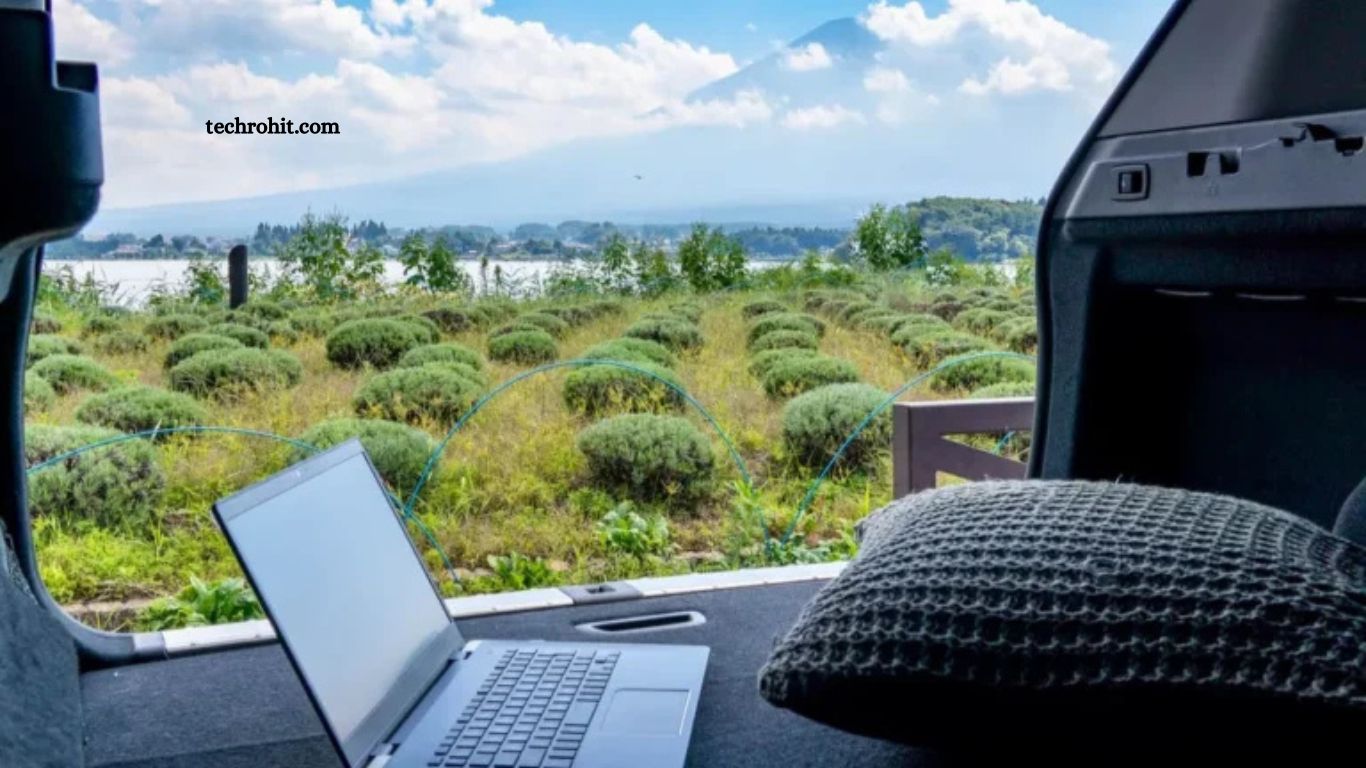
Remote work culture reshapes modern lifestyle choices across professional, personal, social dimensions. Digital transformation enables flexible schedules, location independence, efficient collaboration without traditional office limits. Professionals experience improved time management, reduced commuting stress, greater control over daily routines.
This shift influences housing preferences, travel habits, wellness priorities, career decisions. Organizations adapt strategies to support distributed teams, productivity, engagement. Remote work culture continues evolving, driving sustainable work environments, redefining success, promoting balanced, technology-driven lifestyles worldwide.
Read More: Sustainable Living Trends Gain Popularity Among Urban Residents
Rise of Remote Work Culture
Advancement in technology, global connectivity, cloud-based tools accelerate remote work adoption. Companies embrace distributed teams to reduce operational costs, access global talent, improve productivity. Employees benefit from flexible schedules, reduced commute stress, increased autonomy.
Pandemic period acted as catalyst, pushing organizations toward remote-first strategies. Post-pandemic era continues trend, with hybrid models becoming standard across industries.
Lifestyle Freedom and Flexibility
Remote work enables individuals to design daily routines aligned with personal priorities. Flexible hours support better work-life integration, allowing time for family, hobbies, self-care. Professionals no longer tied to fixed office schedules or geographic boundaries.
This flexibility encourages relocation from crowded urban centers toward suburban or rural environments. Lower cost of living, improved quality of life, closer connection with nature attract remote workers worldwide.
Impact on Housing and Urban Development
Demand for larger living spaces increases as homes double as workspaces. Home offices, quiet zones, ergonomic setups become essential features. Real estate trends reflect shift, with growing interest in properties offering comfort, space, connectivity.
Urban areas adapt by redesigning co-working spaces, offering flexible memberships. Meanwhile, smaller towns experience economic growth due to incoming remote professionals.
Work-Life Balance and Well-being
Remote work improves balance when managed effectively. Absence of daily commute saves time, reduces stress, enhances productivity. However, blurred boundaries between work and personal life can lead to burnout without proper structure.
Successful remote workers establish clear routines, dedicated workspaces, scheduled breaks. Organizations support well-being through mental health programs, flexible policies, communication tools.
Digital Nomad Lifestyle
Remote work fuels rise of digital nomad culture. Professionals travel while maintaining careers, exploring new destinations without sacrificing income. This lifestyle promotes cultural exposure, personal growth, diverse experiences.
Countries introduce digital nomad visas to attract remote workers, boosting local economies. Reliable internet, affordable living, safe environments become key decision factors for nomads.
Social Interaction and Communication
Remote environments reshape communication patterns. Virtual meetings, collaboration tools replace face-to-face interactions. While efficiency improves, reduced social contact may impact team bonding.
Companies address challenge by organizing virtual events, occasional in-person meetups, team-building activities. Strong communication culture remains essential for remote success.
Career Opportunities and Global Talent
Remote work expands access to global opportunities. Professionals apply for roles beyond local markets, increasing career growth potential. Employers benefit from diverse talent pools, fostering innovation and creativity.
Skill-based hiring gains importance over location-based recruitment. Digital skills, self-discipline, communication abilities become critical for remote professionals.
Environmental Impact
Reduced commuting leads to lower carbon emissions, contributing to environmental sustainability. Remote work supports greener lifestyle choices, including reduced fuel consumption, lower office energy usage.
However, increased home energy consumption presents new challenges, requiring sustainable practices at individual level.
Challenges and Future Outlook
Despite benefits, remote work presents challenges such as isolation, communication gaps, productivity monitoring. Organizations continue refining policies, investing in technology, prioritizing employee engagement.
Future work culture likely remains hybrid, combining flexibility of remote work with collaboration benefits of physical offices. Continuous adaptation shapes sustainable, balanced work environments.
Frequently Asked Questions
What is remote work culture?
Remote work culture refers to a work environment where employees perform tasks outside traditional office spaces using digital tools and online communication.
How does remote work affect lifestyle choices?
Remote work provides flexibility, allowing individuals to choose living locations, manage time better, and balance personal and professional life.
Does remote work improve productivity?
Yes, remote work often increases productivity due to fewer distractions, flexible schedules, and reduced commuting time.
What challenges come with remote work?
Common challenges include isolation, communication gaps, difficulty maintaining work-life boundaries, and reliance on technology.
Is remote work suitable for all professions?
No, remote work suits jobs that rely on digital tasks, while roles requiring physical presence may not adapt easily.
What is the future of remote work?
Future trends indicate hybrid work models combining remote flexibility with occasional office collaboration.
Conclusion
Remote work culture reshapes modern lifestyle choices across multiple dimensions. Flexibility, autonomy, global opportunities redefine how individuals approach career and personal life. As technology evolves, remote work continues influencing living patterns, economic structures, social interactions, creating dynamic future for global workforce.
