



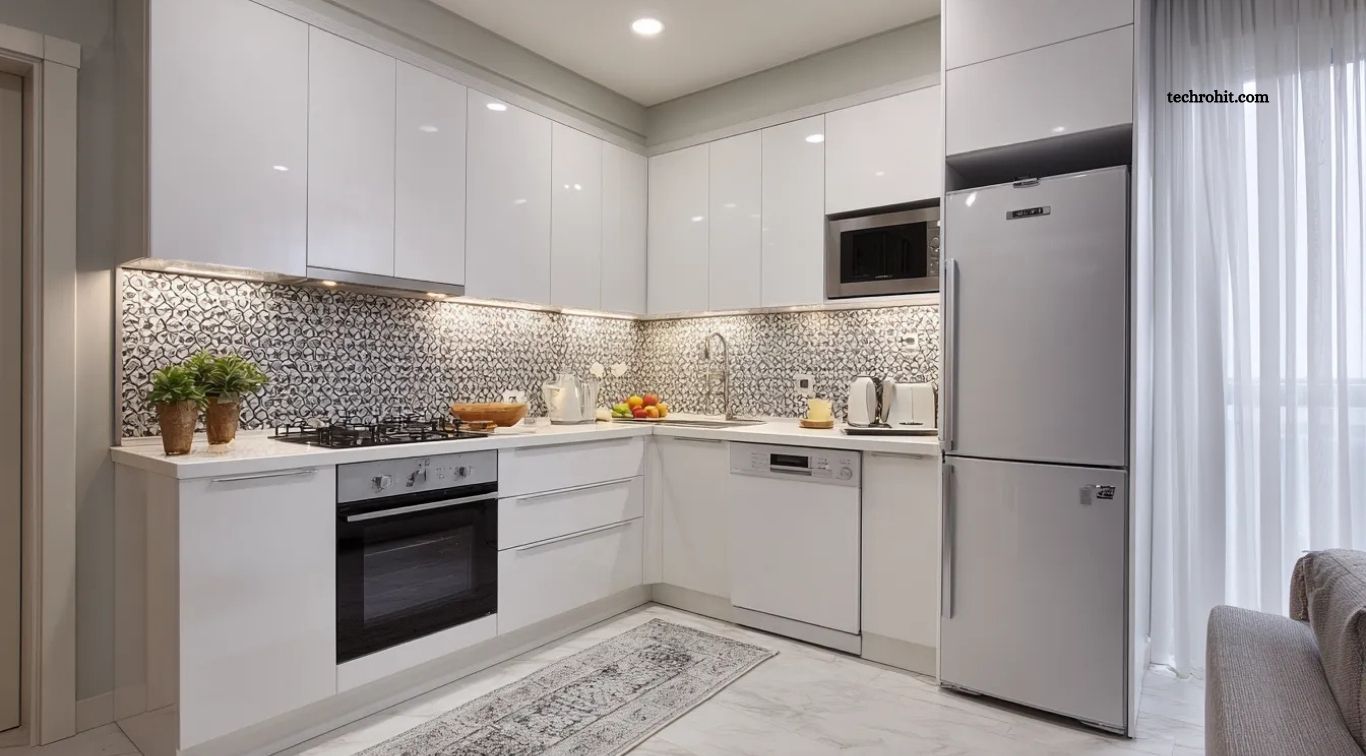
Kitchen remodeling can improve the appearance, functionality, and comfort of one of the most important spaces in a home. Whether you have a small kitchen or a spacious cooking area, thoughtful changes can create a more organized environment, improve storage, and make daily routines easier. From modern cabinets and stylish countertops to better lighting and practical layouts, the right upgrades can transform an outdated kitchen into a welcoming space.
A successful kitchen renovation does not always require a complete redesign or an expensive budget. Simple improvements, such as replacing cabinet handles, updating wall colors, installing new lighting, or organizing storage, can make a noticeable difference. By choosing materials carefully and planning around your cooking habits, available space, and budget, you can create a kitchen that combines style, durability, and everyday convenience.
Read More: Modern Home Design Trends You Should Try
Choose a Kitchen Design Style That Fits Your Home
The first step in remodeling a kitchen is choosing a design style that complements your home. Modern kitchens often feature clean lines, smooth cabinet fronts, neutral colors, and minimal decoration. Traditional designs may include detailed cabinetry, warm wood finishes, decorative handles, and classic lighting. Farmhouse and transitional styles combine practical features with comfortable, inviting details.
Your chosen style should also reflect how you use the kitchen. A busy family may benefit from durable surfaces and easy-to-clean cabinets, while someone who enjoys entertaining might prefer an open layout with a spacious island. Collect design inspiration, compare finishes, and select a consistent color palette before purchasing materials. A clear design direction helps prevent mismatched elements and unnecessary spending.
Upgrade Kitchen Cabinets for a Fresh Look
Kitchen cabinets have a major influence on the overall appearance of the room. Replacing old cabinets can create a completely new look, but refinishing or repainting existing units may deliver an impressive result at a lower cost. Popular choices include white, soft gray, natural oak, warm beige, and deep green. Simple cabinet fronts can also give the kitchen a cleaner and more contemporary appearance.
Small details can make cabinet upgrades feel more complete. Replacing outdated handles with brushed metal, matte black, or brass hardware adds character without requiring extensive construction. Consider installing soft-close hinges and drawer runners for improved everyday use. Before choosing paint or finishes, inspect the cabinet structure and repair damaged areas. Keeping well-built cabinets instead of replacing them can save money and reduce renovation waste.
Install Stylish and Durable Countertops
Countertops serve as both a practical work surface and a major design feature. Popular materials include quartz, granite, laminate, solid surface, and natural wood. Quartz offers a wide range of colors and patterns with relatively low routine maintenance, while granite provides natural variation and a distinctive appearance. Laminate can be a budget-friendly option for homeowners who want an updated look without the expense of premium materials.
The best countertop depends on your cooking habits, maintenance preferences, and budget. Consider resistance to heat, scratches, stains, and moisture before making a decision. Natural stone may require periodic sealing, while some engineered surfaces have specific temperature limitations. Ask suppliers about installation costs, edge profiles, warranties, and maintenance requirements. Choosing a countertop that suits daily use can help preserve its appearance for years.
Improve Kitchen Lighting With Layered Fixtures
Good lighting makes a kitchen safer, more comfortable, and visually appealing. A well-designed lighting plan usually combines ambient lighting for general visibility, task lighting for food preparation, and accent lighting to highlight decorative features. Ceiling fixtures provide overall illumination, while under-cabinet lights brighten countertops and reduce shadows when chopping ingredients or reading recipes.
Pendant lights above an island or dining counter can create an attractive focal point. Recessed fixtures may work well in kitchens with lower ceilings, while decorative wall lights can add warmth where space allows. Choose light color temperatures that complement your cabinets and countertops, and consider dimmable controls for greater flexibility. For electrical changes, use a qualified professional to ensure safe installation and compliance with local requirements.
Add a Kitchen Island for More Workspace
A kitchen island can provide extra preparation space, additional storage, and a convenient place for casual meals. Depending on the design, it may include drawers, open shelves, a sink, or a built-in cooktop. An island can also help define the cooking area in an open-plan home, creating a natural connection between the kitchen and adjoining living spaces.
Before installing an island, measure the available floor area carefully. People need enough room to open appliances, move around cabinets, and pass through the kitchen comfortably. A movable cart or compact island may be a better solution for smaller rooms. If your design includes plumbing, electrical outlets, or a cooktop, plan those requirements before construction begins. A well-proportioned island should improve movement rather than make the room feel crowded.
Make Small Kitchens Feel Larger
Small kitchens can become more functional through smart storage, suitable colors, and efficient layouts. Light-colored cabinets, reflective backsplashes, and consistent flooring can create a more open visual effect. Replacing bulky furniture with compact alternatives may free up valuable floor space, while keeping countertops clear helps the room feel less cluttered.
Storage improvements are equally important. Pull-out shelves, vertical dividers, drawer organizers, and wall-mounted racks can make better use of available space. Consider extending cabinets toward the ceiling to store items used less frequently. A folding table or narrow breakfast counter may provide additional functionality without occupying too much room. Instead of adding more furniture, focus on features that serve several purposes and make everyday movement easier.
Refresh the Kitchen Backsplash
A backsplash protects the wall behind cooking and cleaning areas while adding visual interest. Ceramic and porcelain tiles remain popular because they come in many colors, shapes, and patterns. Subway tiles provide a timeless appearance, while geometric designs and decorative mosaics can introduce personality. Larger-format tiles may create a more seamless look by reducing the number of grout lines.
The backsplash should complement the cabinets, countertops, and flooring rather than compete with them. Neutral tiles can work well with bold cabinet colors, while patterned designs may become the main decorative feature in a simple kitchen. Choose a surface that is practical to clean, particularly behind the stove and sink. Before installation, check the wall condition and select suitable grout and sealing products according to the material manufacturer’s guidance.
Upgrade Kitchen Flooring for Style and Durability
Kitchen flooring needs to handle regular foot traffic, spills, dropped utensils, and frequent cleaning. Porcelain tile is known for its durability and moisture resistance, while luxury vinyl flooring can offer a comfortable feel and a range of wood- or stone-inspired designs. Engineered wood may suit certain kitchens when the product is appropriate for the moisture conditions and installed according to manufacturer recommendations.
Color and pattern also influence how the kitchen looks. Light flooring can make a compact room feel more open, while darker tones may create contrast against pale cabinets. Textured surfaces can help improve grip, although the specific slip resistance depends on the material and finish. Compare installation requirements, cleaning needs, repair options, and total costs before choosing a floor. If replacing flooring throughout an open-plan area, consider how the new material will connect with adjoining rooms.
Improve Kitchen Storage and Organization
A well-organized kitchen makes cooking faster and helps reduce clutter. Deep drawers can store pots and pans, pull-out organizers can improve access to pantry items, and vertical dividers can keep baking trays and chopping boards neatly arranged. Corner storage systems may also make awkward cabinet spaces easier to use, depending on the cabinet design and available budget.
Start by reviewing what you actually use before buying storage accessories. Donate or recycle suitable items you no longer need, group similar utensils together, and place frequently used equipment within easy reach. Clear containers can help organize dry ingredients, while labeled baskets may simplify pantry storage. Avoid filling every available space with organizers; a practical system should make items easier to find and return after use.
Introduce Energy-Efficient Kitchen Appliances
Replacing old appliances can improve convenience and may reduce energy or water consumption, depending on the models selected and how they are used. Modern refrigerators, dishwashers, ovens, and induction cooktops offer different combinations of efficiency, safety features, and performance. Choosing the right size is important because oversized appliances may cost more and use additional resources without providing meaningful benefits.
Before purchasing new equipment, measure the available spaces and confirm electrical, ventilation, water, and plumbing requirements. Check local energy labels where available and compare estimated running costs, warranties, and repair support. Induction cooktops, for example, heat compatible cookware directly and can offer precise temperature control, but they require suitable pans. A practical appliance upgrade should fit your cooking routine and existing kitchen infrastructure.
Use Color to Give Your Kitchen Personality
Color can change the mood of a kitchen without requiring major structural work. White and cream tones create a bright, timeless appearance, while beige and natural wood finishes add warmth. Navy blue, forest green, and charcoal can create a more dramatic effect when balanced with lighter countertops, suitable lighting, or metallic accents.
You do not need to use bold colors throughout the entire room. Painting an island, adding colorful bar stools, or introducing a patterned backsplash can create a focal point while keeping the overall design balanced. Test paint samples under both natural and artificial light before making a final choice. Coordinating wall colors, cabinet finishes, and flooring helps the space feel intentional rather than visually crowded.
Create a Practical Kitchen Layout
A functional layout can make a bigger difference than expensive decorative upgrades. The refrigerator, sink, and cooking area should be arranged to support a comfortable workflow, with enough counter space for food preparation. Frequently used utensils and ingredients should be stored near the places where they are needed, while walkways should remain clear for safe movement.
The best layout depends on the kitchen’s shape and the number of people who use it. Galley kitchens can be efficient when work areas are positioned carefully, while L-shaped and U-shaped designs may provide more counter space and storage. Open-plan kitchens need particular attention to circulation and ventilation. Before moving walls or appliances, review plumbing, electrical connections, structural restrictions, and installation costs with qualified professionals.
Set a Realistic Kitchen Remodeling Budget
A clear budget helps you decide which upgrades deserve priority. Begin by listing essential repairs, desired improvements, materials, labor, appliances, and finishing costs. Structural changes, plumbing relocation, electrical work, and custom cabinetry can increase expenses quickly, so it is useful to compare different design options before committing to a plan.
Set aside a contingency fund for unexpected problems, such as damaged pipes, uneven flooring, or hidden moisture. If the budget is limited, prioritize repairs and high-impact improvements such as lighting, cabinet refinishing, hardware, and storage. Obtain written estimates from more than one qualified contractor and confirm what each quote includes. Careful planning can help you avoid rushed decisions and keep the renovation aligned with your financial goals.
Frequently Asked Questions
What is the first step in kitchen remodeling?
Assess your needs, measure the kitchen, set a budget, and choose a layout before purchasing materials or appliances.
How can I remodel a kitchen on a small budget?
Repaint cabinets, replace handles, update lighting, refresh the backsplash, and improve storage instead of replacing everything.
Which countertop material is best for kitchens?
Quartz, granite, laminate, and other surfaces each offer different benefits. Choose based on budget, maintenance, durability, and cooking habits.
How can I make a small kitchen look bigger?
Use light colors, layered lighting, uncluttered countertops, vertical storage, and compact furniture to improve the sense of space.
Is a kitchen island suitable for every kitchen?
No. An island works best when enough space remains for comfortable movement and access to cabinets and appliances.
Does kitchen remodeling increase home value?
A well-planned renovation may improve a home’s appeal and resale prospects, but the return depends on local market conditions, costs, and workmanship.
Conclusion
Kitchen remodeling offers an opportunity to create a space that looks better, works more efficiently, and suits your daily routine. Updated cabinets, durable countertops, layered lighting, practical storage, attractive flooring, and carefully selected appliances can deliver meaningful improvements. Even modest changes can make an older kitchen feel more modern without requiring a complete renovation. The most successful kitchen designs balance appearance, comfort, durability, and budget.

1 Comment
Pingback: Bathroom Renovation Tips for a Luxury Look - TechRohit