



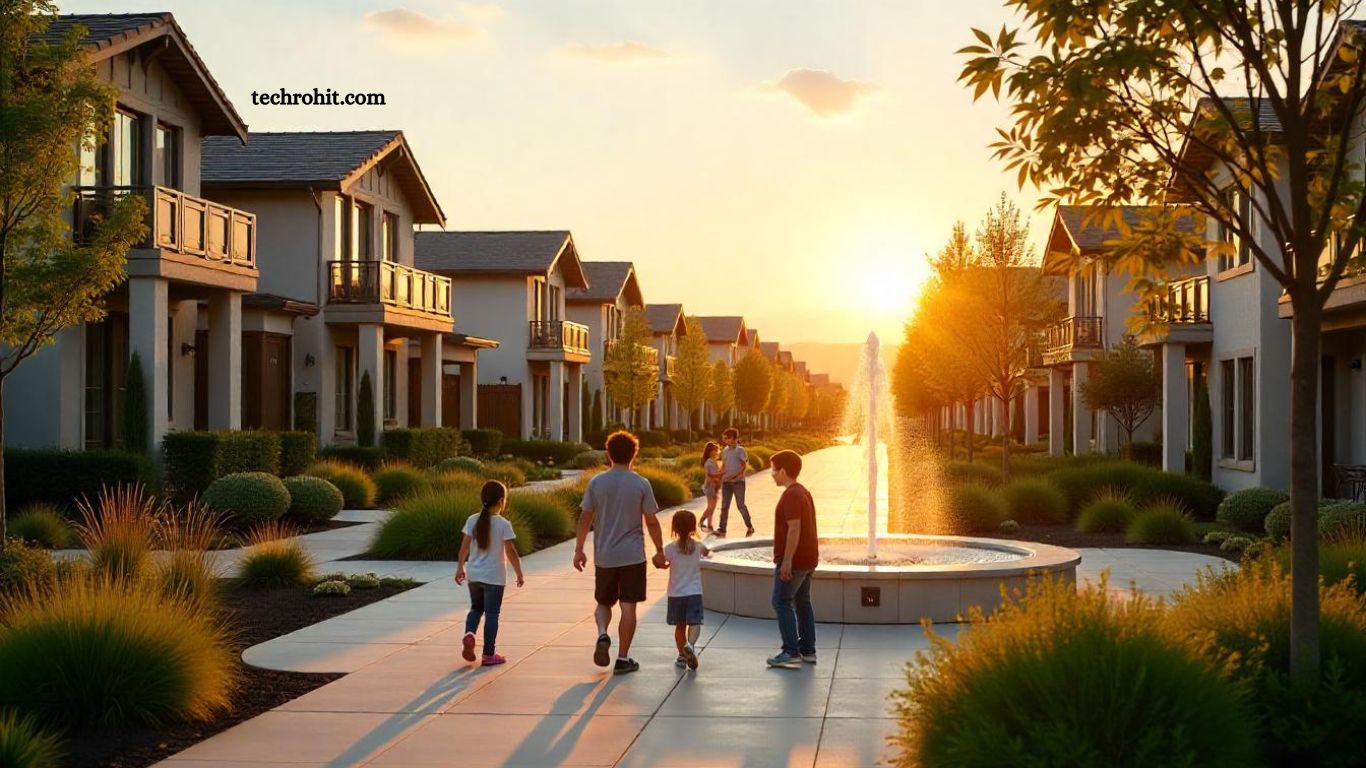
Sustainable living trends are rapidly gaining popularity among urban residents as cities face rising environmental challenges. Modern city dwellers increasingly prioritize eco-friendly habits, from energy-efficient homes to plant-based diets and waste reduction practices.
Green transportation, smart technology, and community initiatives empower residents to lower their carbon footprints while improving their quality of life. As awareness grows, sustainable living becomes not just a choice but a lifestyle, reshaping urban environments and encouraging responsible, long-term habits for healthier, more resilient cities.
Read More: Nutrition Study Links Diet Trends to Long-Term Wellness
Growing Interest in Green Housing
Modern urban apartments and houses integrate energy-efficient technologies, including solar panels, smart thermostats, and LED lighting. Green architecture and eco-conscious construction materials reduce energy consumption while promoting health and well-being.
Residents prefer spaces designed with natural lighting, improved ventilation, and sustainable materials that minimize environmental impact.
Eco-Friendly Transportation
Urban communities shift toward bicycles, electric scooters, and public transportation to limit reliance on fossil fuels. Electric vehicles are gaining popularity due to government incentives, reduced emissions, and lower maintenance costs.
Walking-friendly neighborhoods, bike lanes, and shared mobility options encourage sustainable commuting, reducing traffic congestion and pollution.
Plant-Based Diets and Local Food
Plant-based diets attract urban residents aiming to reduce greenhouse gas emissions. Vegetarian, vegan, and flexitarian lifestyles are becoming mainstream.
Local farmers’ markets and urban gardens offer fresh, seasonal produce while supporting local economies. Residents increasingly prioritize organic, ethically sourced, and minimally packaged food products.
Waste Reduction and Circular Economy
Recycling, composting, and upcycling gain traction among urban households. Consumers prefer products designed for durability and reusability, reducing single-use plastic consumption.
Community programs and zero-waste stores provide accessible options for minimizing waste while promoting a circular economy mindset.
Smart Technology for Sustainable Living
Home automation and smart devices empower residents to monitor energy usage, water consumption, and waste generation. Mobile apps track carbon footprints, suggest sustainable habits,
And connect users with eco-friendly products. Technology becomes a vital tool in achieving sustainable living goals efficiently.
Community Engagement and Awareness
Workshops, social media campaigns, and local initiatives foster community involvement in sustainability. Urban residents collaborate on environmental projects,
From rooftop gardens to clean energy campaigns. Awareness drives inspire collective action, demonstrating that individual choices significantly impact urban ecosystems.
Frequently Asked Questions
What is sustainable living?
Sustainable living means adopting habits and choices that reduce environmental impact and conserve resources.
Why are urban residents embracing sustainable living?
City dwellers adopt eco-friendly practices to reduce pollution, save energy, and improve health.
What are examples of sustainable transportation?
Bicycles, electric vehicles, scooters, and public transit are popular urban options.
How does plant-based eating support sustainability?
Plant-based diets lower greenhouse gas emissions and reduce reliance on resource-intensive food production.
What role does technology play in sustainable living?
Smart devices and apps help monitor energy use, track carbon footprint, and encourage eco-friendly habits.
How can communities promote sustainability?
Through workshops, urban gardens, clean energy campaigns, and shared eco-friendly initiatives.
Conclusion
Sustainable living trends continue to grow among urban residents as environmental awareness, technological innovation, and community engagement converge. Green housing, eco-friendly transportation, plant-based diets, waste reduction, and smart technology shape urban lifestyles.
