



Vitamin D is often praised as one of the most essential nutrients for maintaining strong bones, supporting the immune system, and improving overall health. However, while deficiency is widely discussed, the dangers of excessive intake are often overlooked. In recent years, health experts have raised concerns about Vitamin D overdose, a condition that can lead to serious health complications when supplements are consumed in high amounts.
As more people turn to supplements for better health, awareness about safe dosage levels has become increasingly important. This article explores the causes, symptoms, risks, and prevention strategies associated with Vitamin D overdose, helping readers make informed decisions about their health.
Understanding Vitamin D and Its Role in the Body
Vitamin D is a fat-soluble vitamin that plays a vital role in calcium absorption, bone health, and immune function. It is naturally produced in the skin when exposed to sunlight and can also be obtained from foods like fatty fish, egg yolks, and fortified dairy products.
Unlike water-soluble vitamins, Vitamin D is stored in the body, which means excess amounts are not easily excreted. This characteristic makes it possible for Vitamin D overdose to occur, especially when high-dose supplements are taken over an extended period.
What is Vitamin D Overdose?
Vitamin D overdose, also known as Vitamin D toxicity, occurs when there is an excessive accumulation of Vitamin D in the body. This usually happens due to overuse of supplements rather than diet or sun exposure.
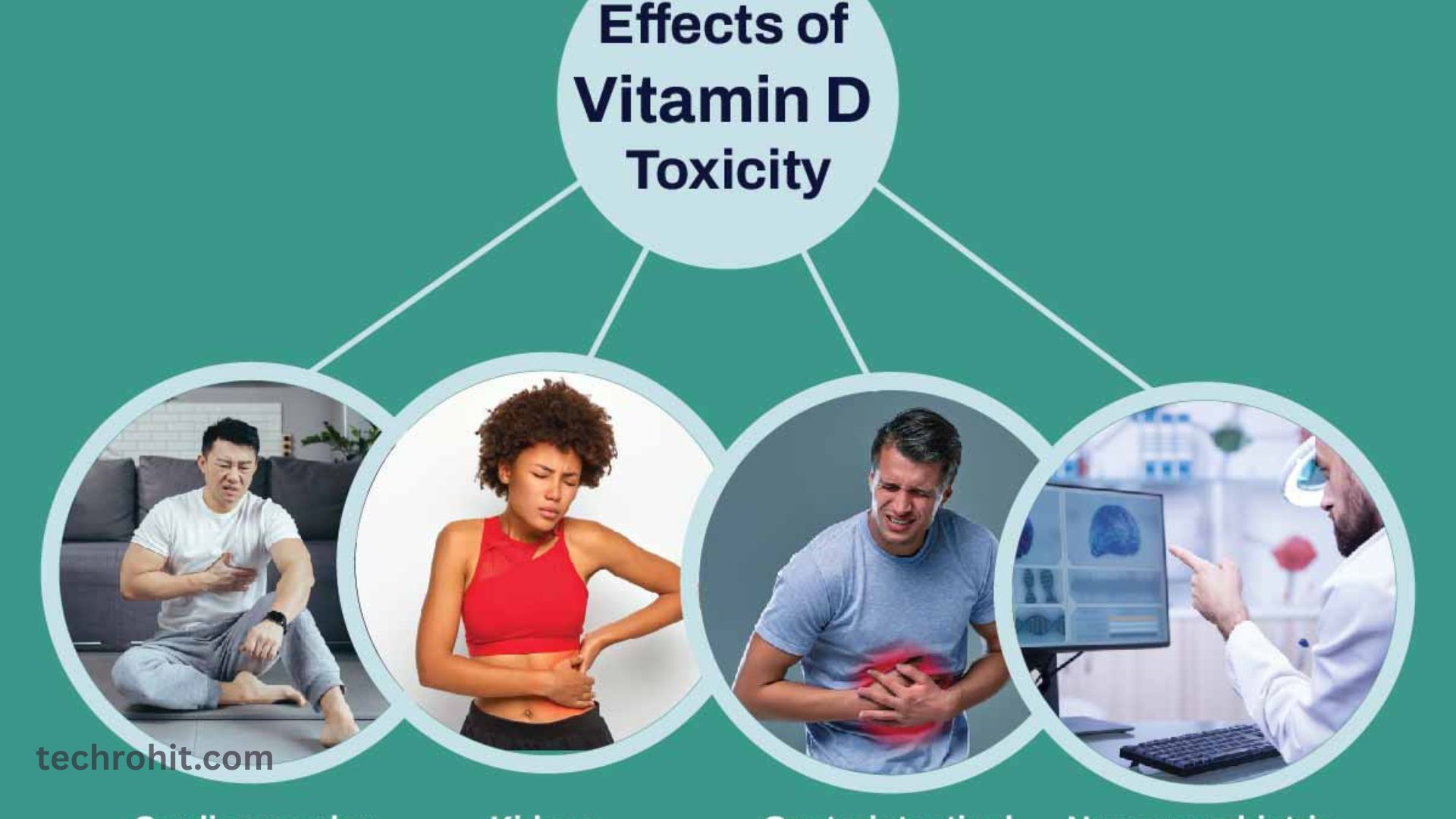
The primary consequence of Vitamin D overdose is hypercalcemia, a condition where calcium levels in the blood become dangerously high. This can affect multiple organs, including the kidneys, heart, and brain, leading to severe health issues if not addressed promptly.
Causes of Vitamin D Overdose
The most common cause of Vitamin D overdose is excessive supplementation. Many people mistakenly believe that taking higher doses will provide faster or better health benefits. However, exceeding recommended daily limits can quickly lead to toxicity.
Another contributing factor is the availability of high-dose Vitamin D supplements, which are often marketed for boosting immunity or preventing diseases. Without proper medical guidance, individuals may unknowingly consume unsafe amounts.
Certain medical conditions and medications can also increase sensitivity to Vitamin D, making some individuals more prone to overdose even at lower doses. Understanding these risk factors is essential for preventing complications related to Vitamin D overdose.
Symptoms of Vitamin D Overdose
The symptoms of Vitamin D overdose can vary depending on the severity of the condition. Early signs often include nausea, vomiting, loss of appetite, and fatigue. As calcium levels rise, individuals may experience frequent urination, dehydration, and muscle weakness.
In more severe cases, Vitamin D overdose can lead to confusion, irregular heartbeat, kidney stones, and even kidney failure. These symptoms highlight the importance of recognizing warning signs early and seeking medical attention when necessary.
Health Risks Associated with Vitamin D Overdose
One of the most serious risks of Vitamin D overdose is damage to the kidneys. High calcium levels can cause calcium deposits to form in the kidneys, impairing their function and potentially leading to long-term complications.
The cardiovascular system can also be affected. Elevated calcium levels may contribute to the hardening of blood vessels, increasing the risk of heart disease and stroke. Additionally, excessive Vitamin D can disrupt the balance of other essential nutrients, further impacting overall health.
The dangers of Vitamin D overdose extend beyond physical symptoms, as chronic toxicity can significantly reduce quality of life and require ongoing medical treatment.
Safe Dosage and Daily Requirements
Health experts recommend specific daily intake levels for Vitamin D based on age, gender, and health conditions. For most adults, the recommended daily allowance is around 600 to 800 IU. The upper safe limit is generally considered to be 4,000 IU per day, although individual needs may vary.
Exceeding these limits without medical supervision increases the risk of Vitamin D overdose. It is important to consult a healthcare provider before starting high-dose supplements, especially for individuals with underlying health conditions.
Read More: Bone-on-Bone Joint Pain Relief and Management
Diagnosing Vitamin D Overdose
Diagnosis of Vitamin D overdose involves blood tests to measure Vitamin D and calcium levels. Doctors may also evaluate kidney function and assess symptoms to determine the severity of the condition.
Early diagnosis is crucial for preventing complications and initiating appropriate treatment. Individuals who suspect they may have taken excessive Vitamin D should seek medical advice promptly.
Treatment and Management
Treatment for Vitamin D overdose focuses on reducing calcium levels and addressing symptoms. This may include stopping Vitamin D supplements, increasing fluid intake, and using medications to lower calcium levels.
In severe cases, hospitalization may be required for close monitoring and treatment. With timely intervention, most individuals can recover from Vitamin D overdose without long-term effects.
Preventing Vitamin D Overdose
Prevention is key when it comes to avoiding Vitamin D overdose. Taking supplements only as prescribed, reading product labels carefully, and avoiding unnecessary high-dose formulations can significantly reduce risk.
Regular health check-ups and blood tests can help monitor Vitamin D levels, ensuring they remain within a safe range. Maintaining a balanced diet and getting moderate sun exposure can also provide sufficient Vitamin D without the need for excessive supplementation.
The Growing Awareness Around Supplement Safety
As the popularity of dietary supplements continues to rise, awareness about safe usage is becoming increasingly important. Health experts emphasize the need for education and responsible consumption to prevent conditions like Vitamin D overdose.
Public health campaigns and medical guidance play a crucial role in informing individuals about the risks associated with over-supplementation. By promoting safe practices, these efforts aim to reduce the incidence of Vitamin D overdose and improve overall health outcomes.
FAQs
What is Vitamin D overdose?
Vitamin D overdose occurs when excessive Vitamin D builds up in the body, usually from supplements. It can lead to high calcium levels and serious health issues.
What causes Vitamin D overdose?
The main cause is taking high-dose Vitamin D supplements without medical advice. It rarely happens from food or sunlight exposure.
What are early symptoms of Vitamin D overdose?
Early signs include nausea, vomiting, fatigue, and loss of appetite. These symptoms can worsen if untreated.
Can Vitamin D overdose damage the kidneys?
Yes, high calcium levels from Vitamin D overdose can lead to kidney stones and even kidney failure in severe cases.
How much Vitamin D is too much?
Most experts recommend not exceeding 4,000 IU daily unless prescribed. Higher doses increase the risk of Vitamin D overdose.
How is Vitamin D overdose treated?
Treatment includes stopping supplements, lowering calcium levels, and medical monitoring depending on severity.
Can you recover from Vitamin D overdose?
Yes, with early treatment, most people recover fully. Severe cases may require longer medical care.
How can Vitamin D overdose be prevented?
Follow recommended doses, avoid unnecessary supplements, and consult a doctor before taking high doses.
Conclusion:
While Vitamin D is essential for maintaining good health, excessive intake can lead to serious complications. Vitamin D overdose is a growing concern, particularly among individuals who rely heavily on supplements without proper guidance. Understanding the risks, recognizing symptoms, and following recommended dosage guidelines are essential steps in preventing toxicity.
By adopting a balanced approach to nutrition and supplementation, individuals can enjoy the benefits of Vitamin D while avoiding its potential dangers. Staying informed and consulting healthcare professionals when necessary ensures safe and effective use, promoting long-term health and well-being.
