


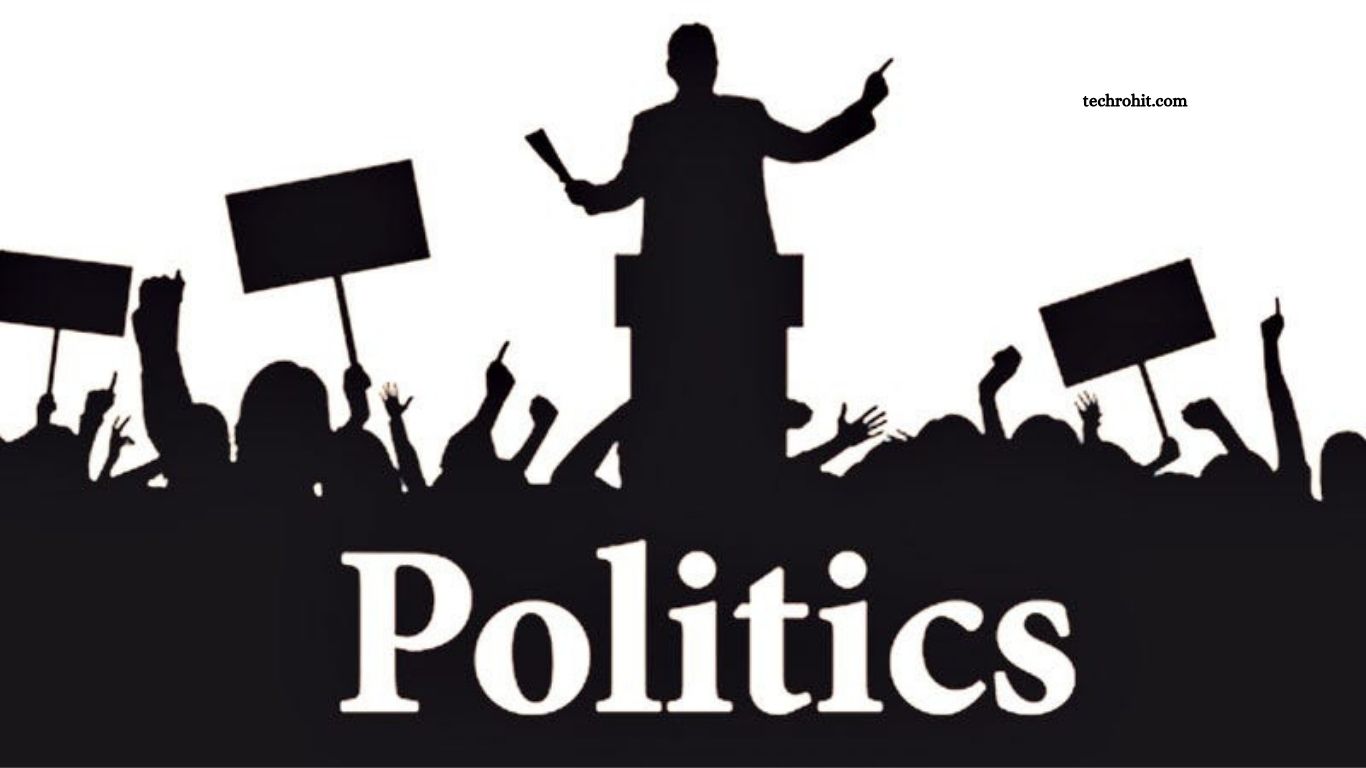
Modern politics influences almost every part of daily life, from education and healthcare to jobs, taxes, technology, and international relations. Political decisions made by governments can shape economic opportunities, public services, individual rights, and the future direction of a country.
Understanding modern politics does not require advanced knowledge of political science. A basic understanding of governments, elections, political parties, public policies, and global relationships can make political news easier to follow. This guide explains the key ideas behind modern politics in simple, clear language.
Read More: Major Political Events That Could Shape the Future
What Is Modern Politics?
Modern politics refers to the way societies make decisions about power, resources, laws, rights, and public priorities. Governments, political parties, elected representatives, institutions, businesses, media organizations, and citizens can all influence political discussions.
Politics involves more than elections. It includes debates about economic policies, national security, climate change, healthcare, education, immigration, technology, taxation, and social issues.
Modern politics has also changed because of digital communication. Social media, online news platforms, podcasts, and video platforms allow political information to spread quickly. Citizens can communicate directly with politicians, organize campaigns, and participate in public debates without relying entirely on traditional media.
How Governments Work
A government creates and enforces laws, manages public services, protects national interests, and makes decisions affecting society. Different countries use different political systems.
Democratic countries generally allow citizens to choose representatives through elections. Some countries have presidential systems, while others use parliamentary systems. Constitutional monarchies combine elected governments with ceremonial or limited monarchic roles.
Government power is often divided among different institutions to prevent excessive concentration of authority. Legislatures create laws, executives implement policies, and courts interpret laws. The exact structure varies between countries.
Why Elections Matter
Elections allow citizens to choose political representatives and influence the direction of government. Candidates usually present policies covering areas such as economic development, taxation, healthcare, education, national security, and infrastructure.
Voters can evaluate candidates based on their policies, previous performance, leadership style, political values, and ability to address major public concerns.
Elections also provide accountability. Leaders who fail to meet public expectations may lose support during future elections.
Understanding Political Parties
Political parties are organized groups that share particular political ideas and policy goals. Parties help candidates campaign, develop policies, communicate with voters, and organize governments.
Political parties can differ significantly in their views about taxation, government spending, social policies, business regulation, environmental protection, national security, and the role of government.
Political labels such as liberal, conservative, socialist, nationalist, or centrist can help describe broad ideological positions. However, these labels do not mean the same thing in every country.
What Is Public Policy?
Public policy refers to decisions and actions taken by governments to address public issues. Policies can cover almost every major area of society.
Economic policy may involve taxation, employment, inflation, trade, and government spending. Healthcare policy can address medical access, insurance, hospitals, and public health. Education policy can influence schools, universities, curriculum, and funding.
Understanding policy requires looking beyond political speeches. The important questions include what problem a policy addresses, how it will be funded, who benefits, who may face costs, and what results it produces.
The Role of Political Ideology
Political ideology describes a collection of ideas about how society and government should operate. Ideologies influence political parties and individual voters.
Some political viewpoints emphasize individual freedom and limited government involvement. Others place greater importance on government programs designed to reduce inequality or provide public services.
Many modern political movements combine ideas from different traditions. A person may support free markets while also supporting strong environmental regulations or public healthcare. Political beliefs are rarely completely divided into two simple categories.
Politics and the Economy
Politics and economics are closely connected. Government decisions can influence businesses, workers, consumers, investors, and households.
Interest rates are usually handled by central banks rather than elected governments, although political decisions can still influence economic conditions through taxation, spending, regulation, trade policies, and public investment.
Political debates about the economy often focus on questions such as how much governments should spend, how taxes should be structured, how businesses should be regulated, and how economic growth should be distributed.
The Growing Influence of Social Media
Social media has transformed political communication. Politicians can reach millions of people directly through platforms such as X, Facebook, Instagram, TikTok, and YouTube.
Digital platforms can increase political participation by making information easier to access. They can also create challenges because false information, misleading headlines, manipulated images, and emotionally charged content can spread rapidly.
Readers should check important political claims against reliable sources before accepting or sharing them. Looking at the original statement, checking multiple reputable sources, and separating facts from opinions can improve political understanding.
Understanding Political News
Political news often contains complex language. Terms such as legislation, coalition, opposition, referendum, executive order, constitutional amendment, and bipartisan agreement can appear frequently.
Learning basic political vocabulary makes news easier to understand. It is also useful to identify the difference between a political announcement and an actual policy change.
A government may propose a policy without successfully passing it. A politician may make a campaign promise without having the legal authority or legislative support needed to implement it.
Why Political Polarization Matters
Political polarization occurs when political groups become increasingly divided in their opinions and priorities. Healthy disagreement can strengthen democratic debate, but extreme polarization can make cooperation more difficult.
Political discussions can become focused on personalities rather than policies. Social media algorithms and partisan media can sometimes reinforce existing opinions by repeatedly showing users content that matches their beliefs.
Understanding different perspectives does not require agreeing with them. Listening to opposing arguments can help people identify stronger evidence, recognize weaknesses in their own assumptions, and develop more balanced opinions.
The Importance of Civic Participation
Politics works best when citizens remain informed and engaged. Voting is one form of participation, but civic involvement can take many forms.
Citizens can attend public meetings, contact representatives, participate in community organizations, follow government decisions, discuss public issues, and support causes they consider important.
Responsible participation depends on accurate information and respectful debate. Political engagement becomes more meaningful when people understand both their rights and their responsibilities.
Modern Politics and Global Relations
Countries rarely make political decisions in isolation. International trade, security agreements, migration, climate change, energy markets, technology, and global financial systems connect nations.
Governments negotiate with other countries through diplomatic relationships and international organizations. Decisions made in one country can influence economies and political debates elsewhere.
Global politics can therefore affect everyday life through fuel prices, imported products, employment opportunities, technology access, travel regulations, and international security.
How to Understand Politics More Clearly
A practical way to understand politics is to focus on evidence, institutions, policies, and outcomes rather than political personalities alone. When reading political news, identify who made the decision, what changed, why the decision was made, and who will be affected.
It is also important to compare information from different reliable sources. Political stories can contain facts, interpretations, predictions, and opinions. Separating these elements makes it easier to form an independent judgment.
Political knowledge develops gradually. Following major issues consistently is often more useful than trying to understand every political story at once.
Frequently Asked Questions
What is modern politics?
Modern politics involves government decisions, elections, public policies, political parties, and social issues.
Why is politics important?
Politics influences laws, public services, economic policies, rights, security, and everyday life.
What is a political party?
A political party is a group that shares political ideas and works to influence government decisions.
Why do elections matter?
Elections allow citizens to choose representatives and influence government policies.
How does social media affect politics?
Social media helps spread political information quickly while also increasing the risk of misinformation.
How can people understand politics better?
People can follow reliable news, learn basic political terms, compare sources, and examine policies carefully.
Conclusion
Understanding modern politics becomes easier when complex political ideas are broken into simple concepts. Governments, elections, political parties, public policies, ideology, economics, media, and international relations all form important parts of the political system. A strong understanding of politics helps people evaluate political claims, understand government decisions, and participate more effectively in civic life.

1 Comment
Pingback: Top Political Issues Everyone Is Talking About - TechRohit