



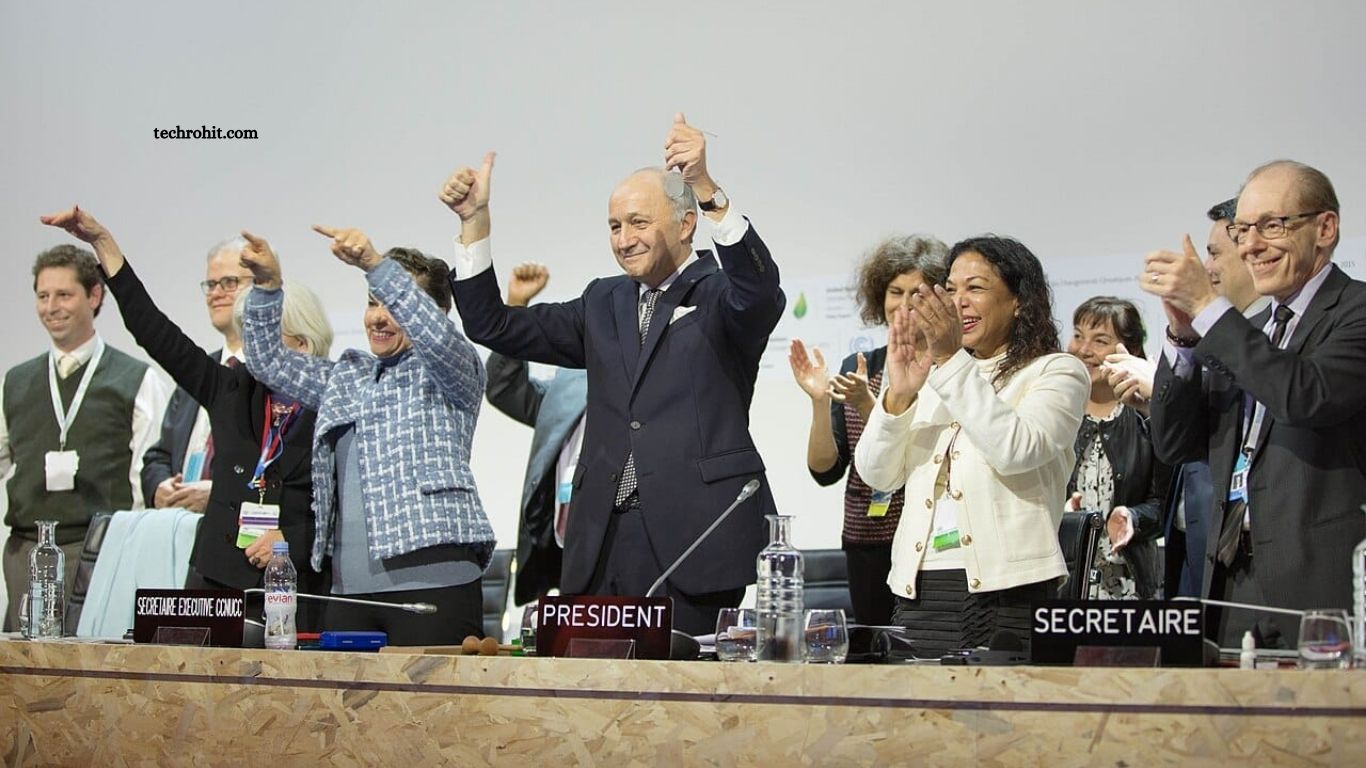
Political events can influence economies, international relations, technology, security, and everyday life. As countries face changing alliances, elections, conflicts, economic pressure, and new global challenges, major political developments may create lasting effects. Understanding these events helps readers recognize emerging trends and prepare for possible changes.
From elections and diplomatic shifts to geopolitical conflicts and policy reforms, several political developments could shape the future. This article explores major political events and trends that may influence global affairs, national priorities, economic growth, and international cooperation in the coming years.
Read More: How Government Policies Affect Everyday Life
Global Elections and Political Transitions
Elections remain among the most important political events shaping the future. Changes in national leadership can influence foreign policy, economic strategies, trade relationships, immigration policies, and security priorities. Major elections across influential countries may create new political directions and affect relationships between governments.
Political transitions can also change international partnerships. New administrations may strengthen existing alliances, negotiate new agreements, or adopt different approaches toward global challenges.
Changing Geopolitical Alliances
Global alliances continue to evolve as countries respond to economic, military, and strategic interests. Established partnerships may become stronger, while emerging relationships could create new centers of influence.
Countries are increasingly focusing on regional cooperation, defense partnerships, technology agreements, energy security, and economic collaboration. These developments could reshape the balance of global power and influence international decision-making.
International Conflicts and Peace Efforts
Wars and geopolitical conflicts can have consequences far beyond affected regions. They may influence energy prices, food security, migration, global trade, defense spending, and diplomatic relationships.
Future peace negotiations and diplomatic initiatives could become major political events. Successful agreements may improve regional stability, while prolonged conflicts could increase international tensions and economic uncertainty.
Rise of Economic Nationalism
Economic policies are becoming increasingly important in global politics. Governments are paying greater attention to domestic manufacturing, supply chains, strategic industries, and national economic security.
Trade restrictions, tariffs, investment policies, and industrial strategies could affect international commerce. Businesses may respond by diversifying supply chains and seeking alternative markets.
Technology and Political Power
Technology is becoming a major factor in modern politics. Artificial intelligence, cybersecurity, digital platforms, and data protection are influencing government policies and international competition.
Governments are developing regulations for emerging technologies while also investing in advanced digital infrastructure. Political decisions surrounding AI governance and cybersecurity could have long-term effects on businesses, citizens, and national security.
Climate Policy and Environmental Politics
Climate change is increasingly connected with political decision-making. Governments are introducing policies related to renewable energy, emissions reduction, environmental protection, and sustainable development.
International climate agreements and national environmental policies could influence energy markets and investment decisions. Countries that successfully balance economic development with environmental goals may gain strategic advantages in the future.
Immigration and Population Trends
Immigration remains a major political issue in many countries. Governments are debating border security, legal migration, refugee policies, workforce needs, and integration programs.
Population changes can also influence elections, labor markets, public services, and economic growth. Future immigration policies may therefore become important factors in national and international politics.
Growing Influence of Emerging Economies
Emerging economies are gaining greater influence in global affairs. Economic expansion, population growth, technological development, and regional partnerships can increase their role in international institutions and trade.
As economic power becomes more distributed, global decision-making may become increasingly multipolar. This shift could encourage new partnerships and create stronger competition among major economies.
Political Impact of Social Media
Social media has transformed political communication. Political leaders, governments, journalists, and citizens can share information instantly with global audiences.
At the same time, misinformation, manipulated content, and political polarization remain significant challenges. Future regulations and digital policies may determine how online platforms influence elections and public debate.
Future of International Organizations
International organizations play an important role in addressing global challenges. However, changing geopolitical interests are creating discussions about reforms, representation, funding, and decision-making structures.
Future reforms could determine how effectively global institutions respond to conflicts, economic crises, climate change, health emergencies, and technological risks.
Why These Political Events Matter
Major political developments can influence many aspects of modern life. Political decisions may affect employment, investment, trade, energy costs, national security, technology regulations, and international travel.
Following political trends can help individuals and businesses understand potential risks and opportunities. It also encourages informed participation in democratic processes and global discussions.
Frequently Asked Questions
What political events can shape the future?
Elections, conflicts, alliances, policy reforms, and major international agreements can shape future political developments.
Why are global elections important?
Elections can change government policies, leadership priorities, economic strategies, and international relationships.
How do geopolitical conflicts affect the world?
Conflicts can influence trade, energy prices, security, migration, and diplomatic relations.
Can technology influence politics?
Yes. AI, social media, cybersecurity, and digital regulations increasingly affect political decisions and public opinion.
Why are climate policies politically important?
Climate policies can influence energy markets, economic investment, environmental goals, and international cooperation.
How can people follow political developments?
People can follow trusted news sources, official government updates, and reliable international organizations.
Conclusion
Major political events can shape the future by influencing international relationships, economic policies, technology, security, climate strategies, and social priorities. Elections, geopolitical alliances, conflicts, economic policies, technological regulations, and environmental decisions will remain important areas to watch. The political landscape will continue evolving as countries respond to new challenges and opportunities.

1 Comment
Pingback: Understanding Modern Politics in Simple Terms - TechRohit