



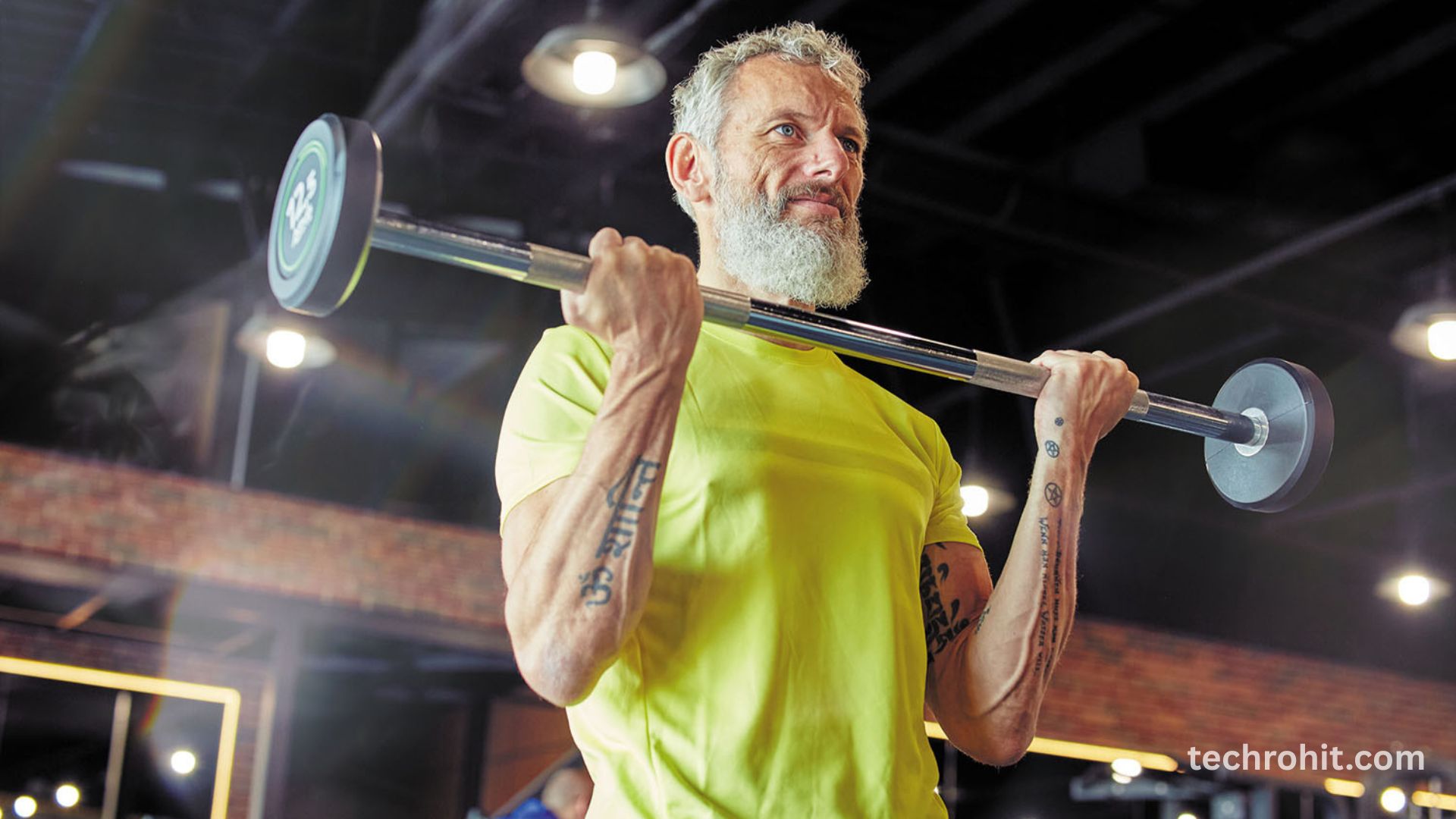
Building strength is often associated with heavy weights and gym equipment, but you don’t need a membership to achieve powerful results. Many people successfully improve muscle tone, endurance, and overall strength from the comfort of their homes or outdoor spaces. Learning how to build strength without going to the gym allows for flexibility, convenience, and cost savings while still providing excellent physical benefits.
This article explores six proven methods to strengthen your body, focusing on techniques that require little to no equipment. By following these strategies, you can increase muscle mass, boost metabolism, and enhance overall fitness without ever stepping foot inside a gym.
Bodyweight Exercises
One of the most effective ways to build strength without going to the gym is by using bodyweight exercises. Movements such as push-ups, squats, lunges, planks, and burpees engage multiple muscle groups simultaneously, improving both strength and endurance.
Bodyweight exercises are versatile and can be modified to increase difficulty as your strength improves. For instance, elevated push-ups or single-leg squats add intensity without needing external weights. Incorporating these exercises into your daily routine ensures progressive strength gains while improving balance and coordination.
Resistance Bands
Resistance bands are inexpensive, portable, and highly effective tools for building strength at home. They provide tension throughout the movement, engaging muscles in ways similar to free weights but with less risk of injury.
Exercises like banded squats, bicep curls, and shoulder presses allow for targeted strength training. Resistance bands come in various tension levels, allowing beginners and advanced users alike to challenge their muscles progressively. Using bands consistently can help tone the body, improve flexibility, and build functional strength without heavy equipment.
Incorporating Functional Movements
Functional movements mimic everyday activities and can significantly improve strength and mobility. Lifting, carrying, bending, or twisting while adding resistance or weight using household items like water jugs, backpacks, or filled grocery bags engages multiple muscle groups naturally.
By focusing on functional strength, you enhance your ability to perform daily tasks efficiently while simultaneously building core stability, balance, and endurance. This approach is particularly useful for people who want practical strength gains that translate to real-life activities.
High-Intensity Interval Training (HIIT)
High-Intensity Interval Training, or HIIT, combines short bursts of intense activity with brief recovery periods, offering both cardiovascular and strength benefits. HIIT workouts that include bodyweight exercises like push-ups, jump squats, and mountain climbers can accelerate muscle building while boosting calorie burn.
By incorporating HIIT sessions into your weekly routine, you can strengthen multiple muscle groups quickly, improve endurance, and stimulate muscle growth without requiring a gym. This method also keeps workouts exciting and time-efficient, making it easier to stick to your strength-building goals.
Yoga and Pilates
Yoga and Pilates are often overlooked in strength training, but they are highly effective for building functional strength, flexibility, and stability. Many poses and movements require holding your body weight in various positions, which engages deep muscles and enhances overall body control.
Practicing yoga and Pilates regularly improves core strength, balance, and posture while reducing the risk of injury. These exercises also complement more intense strength training routines by promoting recovery, mobility, and long-term muscle endurance.
Outdoor and Recreational Activities
Engaging in outdoor activities like hiking, rock climbing, swimming, or cycling can be powerful ways to build strength without going to the gym. These activities challenge different muscle groups, improve cardiovascular health, and provide functional strength in dynamic environments.
Using natural elements like hills, stairs, and uneven terrain adds resistance, which helps in muscle development. Incorporating recreational sports such as basketball, tennis, or soccer also promotes agility, coordination, and overall body strength in a fun, engaging way.
Tips to Maximize Strength Gains at Home
To achieve the best results when building strength outside the gym, consistency is key. Schedule workouts regularly, progressively increase intensity, and ensure you are using proper form to avoid injuries. Nutrition also plays a vital role; consuming adequate protein, healthy fats, and micronutrients supports muscle repair and growth.
Rest and recovery are equally important. Muscles strengthen during recovery periods, so allow time between intense workouts for optimal results. Tracking progress and setting achievable goals keeps motivation high and ensures continued improvement over time.
Read More: Mental Health Awareness Campaign Expands Nationwide
Common Mistakes to Avoid
Many people trying to build strength without going to the gym make the mistake of rushing progress, neglecting form, or relying solely on cardio. While cardiovascular exercise is important, strength development requires targeted resistance and progressive overload. Another common error is skipping recovery days, which can lead to fatigue or injuries.
Avoiding these pitfalls ensures safer, more effective strength training and helps you achieve sustainable results without the need for gym equipment.
FAQs
Can I build muscle without going to the gym?
Yes, bodyweight exercises, resistance bands, and functional movements can effectively increase strength at home.
How often should I train to gain strength at home?
Aim for 3–5 strength-focused sessions per week, allowing rest days for recovery and muscle growth.
Are resistance bands effective for building strength?
Absolutely. Resistance bands provide tension throughout movements, engaging muscles like free weights do.
Can HIIT workouts build strength too?
Yes, HIIT combining bodyweight exercises and short rest periods can improve strength, endurance, and calorie burn.
Is yoga or Pilates useful for strength?
Yes, both improve core strength, balance, and muscle endurance while enhancing flexibility and posture.
Can outdoor activities replace gym workouts?
Yes, hiking, swimming, cycling, and sports challenge multiple muscles, offering functional strength benefits.
How important is nutrition when building strength at home?
Proper nutrition, especially adequate protein and healthy fats, supports muscle repair and optimal growth.
What common mistakes should I avoid?
Avoid skipping recovery, neglecting form, and relying solely on cardio, as these can hinder strength gains.
Conclusion:
Building strength without going to the gym is entirely possible with the right approach. By focusing on bodyweight exercises, resistance bands, functional movements, HIIT, yoga, and outdoor activities, you can achieve impressive results from home or outdoor spaces.
Consistency, proper nutrition, and recovery are essential components of this journey. Following these six strategies allows you to build strength without going to the gym, promoting overall health, fitness, and functional strength while enjoying the flexibility and freedom of a gym-free lifestyle.
