



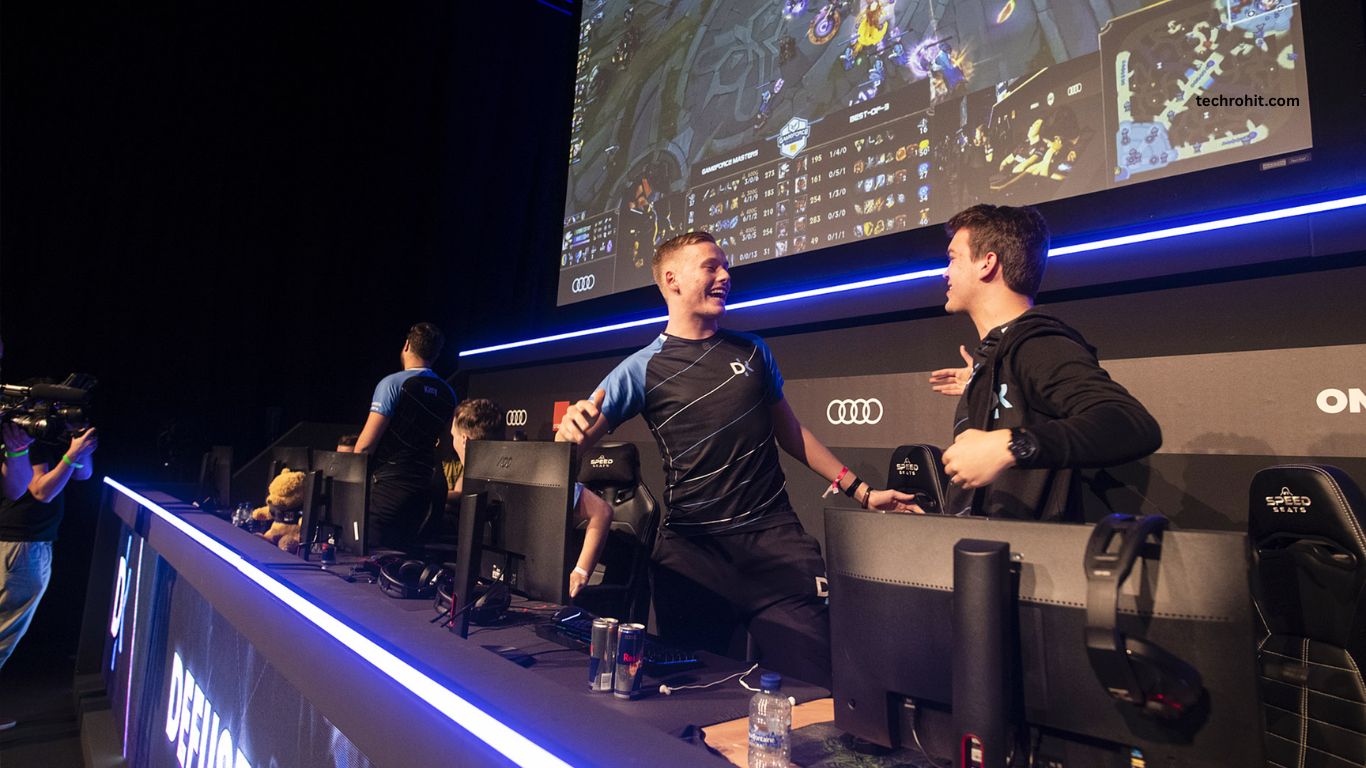
Competitive gaming has transformed from a casual hobby into a global industry that attracts millions of players and spectators. Every day, beginners step into ranked matches hoping to improve their skills and compete against stronger opponents. While the learning curve may seem challenging at first,
Consistent practice and the right mindset make progress possible. This beginner’s guide to competitive gaming explains essential concepts, practical strategies, and performance habits that help new players build confidence and achieve steady improvement.
Read More: Best Multiplayer Games to Play with Friends
Understanding Competitive Gaming
Competitive gaming focuses on skill-based gameplay where players compete against others under structured rules. Unlike casual gaming, every decision, movement, and strategy directly affects the final result. Popular competitive genres include first-person shooters, multiplayer online battle arenas, battle royale games, sports simulations, fighting games, and real-time strategy titles.
Success depends on mechanical ability, game knowledge, teamwork, communication, and mental discipline rather than luck alone. Learning these elements creates a strong foundation for long-term improvement.
Choosing the Right Competitive Game
Selecting the right game plays an important role in your development. Beginners should choose a game that matches their interests because enjoyment increases motivation during practice. Every competitive title has unique mechanics, learning requirements, and community expectations.
Playing one game consistently allows players to understand maps, character abilities, weapon systems, movement patterns, and advanced strategies much faster than constantly switching between different titles.
Learning Core Game Mechanics
Every competitive game contains fundamental mechanics that every beginner must master before focusing on advanced strategies. Movement, aiming, positioning, timing, resource management, and decision-making form the building blocks of consistent performance.
Instead of rushing into ranked matches immediately, spend time practicing these mechanics in training modes or unranked matches. Strong fundamentals create reliable performance under pressure.
Developing Mechanical Skills
Mechanical skill refers to the physical execution of in-game actions. Accurate aiming, smooth movement, quick reactions, and efficient control become stronger through consistent repetition rather than shortcuts.
Daily practice sessions help improve muscle memory over time. Small improvements each week eventually produce noticeable differences during competitive matches.
Understanding Maps and Objectives
Winning requires more than eliminating opponents. Every competitive game includes objectives that determine victory. Learning map layouts, important locations, safe routes, high-ground positions, and objective timing provides a significant competitive advantage.
Experienced players succeed because they understand where important events happen before they occur. Building map awareness reduces unnecessary mistakes and improves strategic decisions.
Communication Creates Better Teamwork
Many competitive games rely heavily on teamwork. Clear communication allows teammates to coordinate attacks, share enemy information, defend objectives, and respond quickly during difficult situations.
Positive communication also improves team morale. Calm discussions encourage cooperation, while negative behavior often reduces overall performance regardless of individual skill.
Building Strong Game Awareness
Game awareness means understanding everything happening around your character. This includes monitoring teammates, predicting enemy movement, tracking objectives, managing resources, and recognizing changing situations.
Improved awareness allows players to react faster and avoid unnecessary risks. Watching experienced players demonstrates how high-level competitors constantly gather information before making decisions.
Creating an Effective Practice Routine
Random practice rarely produces consistent improvement. Structured practice sessions focus on specific weaknesses instead of repeating comfortable habits.
Each session should include skill practice, real matches, performance review, and short breaks. Reviewing mistakes after every game helps identify patterns that slow progress. Correcting one weakness at a time produces faster improvement than attempting to solve every problem simultaneously.
Improving Mental Performance
Competitive gaming challenges emotional control as much as technical skill. Every player experiences defeats, mistakes, and difficult opponents. Remaining calm after losses prevents frustration from affecting future matches.
Successful competitors treat every defeat as a learning opportunity. Patience, discipline, and emotional stability often separate improving players from those who remain stuck at the same skill level.
Optimizing Gaming Equipment
High-quality equipment supports consistent performance, although expensive hardware cannot replace skill. A comfortable gaming mouse, responsive keyboard or controller, reliable headset, stable internet connection, and properly adjusted monitor settings improve overall gameplay.
Comfortable seating and proper posture also reduce fatigue during longer practice sessions, allowing players to maintain focus throughout competitive games.
Learning From Professional Players
Watching professional tournaments provides valuable educational opportunities. Experienced competitors demonstrate positioning, teamwork, timing, resource management, and advanced strategies that beginners can gradually incorporate into their own gameplay.
Instead of simply enjoying the matches, observe decision-making, movement, communication, and objective control to understand why professional teams succeed.
Managing Time and Preventing Burnout
Healthy gaming habits support long-term improvement. Spending excessive hours without focused practice often leads to fatigue rather than better performance.
Regular breaks, adequate sleep, physical activity, and balanced daily routines improve concentration and reaction speed. Healthy players maintain higher performance during competitive sessions and recover more effectively after challenging matches.
Tracking Your Progress
Improvement becomes easier when progress is measured consistently. Recording match statistics, reviewing gameplay, and identifying recurring mistakes provide clear evidence of growth over time.
Instead of focusing only on rank, evaluate accuracy, survival rate, objective contribution, teamwork, and decision-making. These indicators often improve before visible ranking increases.
Staying Motivated Throughout the Journey
Every competitive player develops at a different pace. Comparing progress with experienced players often creates unnecessary pressure. Personal improvement should remain the primary goal.
Celebrate small achievements, continue learning, and maintain realistic expectations. Consistency always delivers better results than occasional bursts of intense practice.
Frequently Asked Questions
What is competitive gaming?
Competitive gaming involves playing video games against other players in skill-based matches where strategy, teamwork, and performance determine the winner.
Which game is best for beginners?
Games like Valorant, Rocket League, League of Legends, Fortnite, and Counter-Strike 2 are popular choices with active learning communities.
How can I improve my gaming skills quickly?
Practice consistently, learn game mechanics, review your gameplay, and focus on correcting one mistake at a time.
Do I need expensive gaming equipment?
No. A stable internet connection, comfortable peripherals, and reliable hardware are enough to start improving your skills.
How many hours should beginners practice?
One to two hours of focused daily practice is more effective than long, unfocused gaming sessions.
Can anyone become a competitive gamer?
Yes. With dedication, regular practice, patience, and continuous learning, most players can significantly improve and compete at higher levels.
Conclusion
Competitive gaming rewards dedication, patience, and continuous learning. Beginners who focus on mastering fundamentals, improving communication, developing mechanical skills, and maintaining a positive mindset create a strong foundation for long-term success. Every match offers valuable experience, regardless of victory or defeat. With structured practice and steady commitment, anyone can grow from a beginner into a confident competitive player while enjoying every stage of the journey.
