



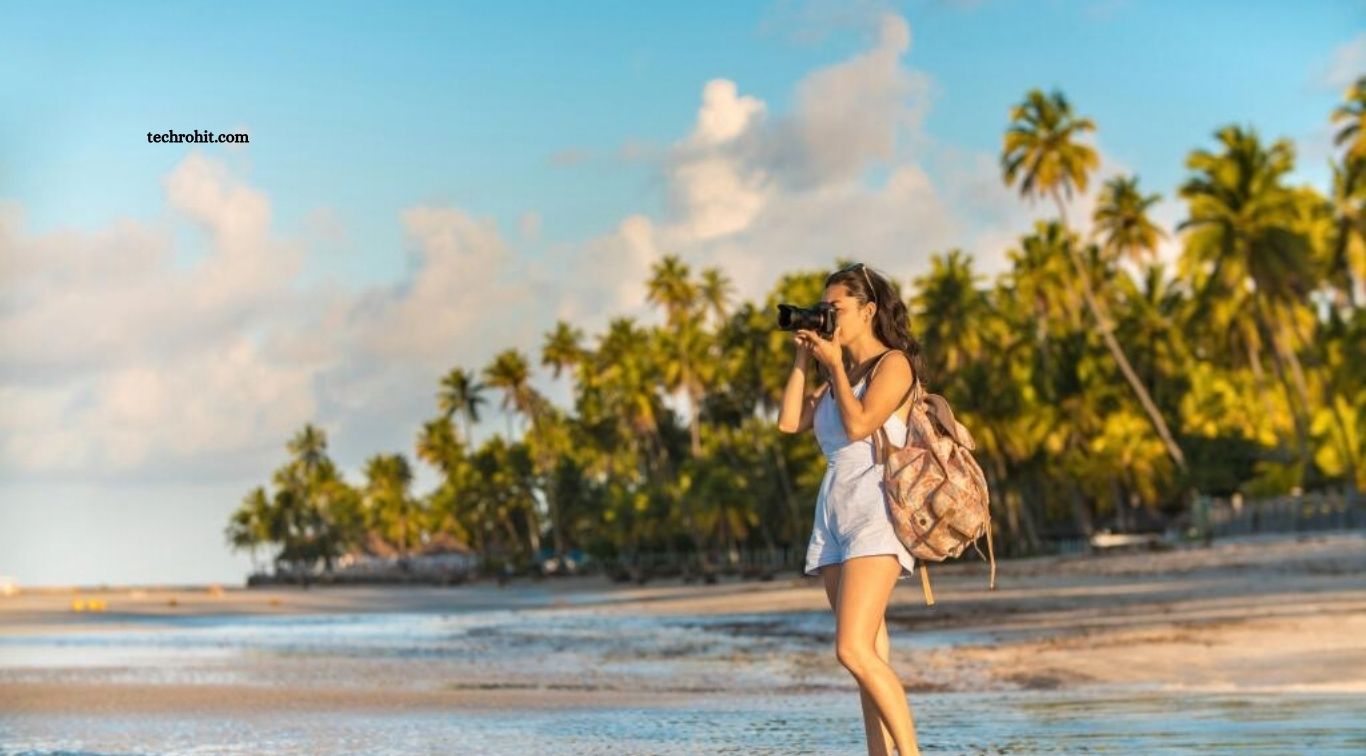
Travel photography turns ordinary journeys into visual memories that can be enjoyed long after returning home. A beautiful landscape, busy street, traditional meal, quiet morning, or spontaneous encounter can become a meaningful photograph when captured with thoughtful composition and good timing.
Amazing travel photos do not require the most expensive camera or professional equipment. A smartphone can produce impressive results when you understand light, composition, perspective, timing, and storytelling. The most important goal is to capture the character of a destination while preserving the experiences that made the journey special.
Read More: Best Beach Destinations for Your Next Vacation
Plan Your Photography Before Traveling
Good travel photography often begins before the trip. Researching your destination can help you discover scenic locations, cultural landmarks, local events, viewpoints, and natural attractions worth photographing. Knowing where you want to go also makes it easier to plan around sunrise, sunset, weather, and opening times.
Avoid creating an itinerary that focuses entirely on taking photographs. Leave enough time to experience the destination naturally. Some of the most memorable images come from unexpected moments rather than carefully planned locations.
Choose the Right Camera
A smartphone, compact camera, mirrorless camera, or DSLR can all produce excellent travel photographs. The best camera is usually the one you understand well and feel comfortable carrying throughout the journey.
If you use a dedicated camera, learn its basic settings before traveling. Practice adjusting exposure, focus, shutter speed, and other important controls at home. Familiarity with your equipment allows you to concentrate more on the scene instead of searching for settings.
Keep Your Equipment Simple
Traveling with too much photography equipment can become tiring. Carrying several lenses, accessories, batteries, and other equipment may limit your mobility and make spontaneous photography more difficult.
Choose equipment based on your destination and photography style. A versatile lens or smartphone may be enough for landscapes, portraits, architecture, and everyday scenes. Keeping your setup simple can help you stay present while exploring.
Learn to Use Natural Light
Light is one of the most important elements in photography. Early morning and late afternoon often provide softer, more visually pleasing light, while harsh midday sunlight can create strong shadows and high contrast.
Pay attention to how light falls on your subject rather than simply pointing the camera toward it. Moving a few steps can change the direction, softness, and intensity of the light. Experiment with backlighting, side lighting, and shaded areas to create different moods.
Capture the Golden Hour
Golden hour refers to the period around sunrise and sunset when sunlight often appears warmer and softer. This light can create attractive colors, gentle shadows, and depth in travel photographs.
Plan to arrive at a location before the best light begins. Waiting for the right moment can make a major difference, especially when photographing mountains, beaches, historic buildings, city skylines, and other large scenes.
Use the Rule of Thirds
The rule of thirds is a simple composition technique that divides an image into nine sections using two horizontal and two vertical lines. Placing important subjects near these lines or their intersections can create a balanced composition.
Many smartphone and camera apps allow you to display a grid while shooting. Use it as a guide rather than a strict rule. Strong photographs can also come from centered subjects, symmetry, or unusual framing when those choices support the scene.
Experiment With Different Perspectives
Taking every photograph from eye level can make a travel album feel repetitive. Changing your position can create more interesting images and reveal details that are easy to overlook.
Try photographing from a lower angle, higher viewpoint, doorway, bridge, or reflection. Move closer to your subject when appropriate and step back when the surroundings help tell the story. Perspective can completely change how a familiar location appears.
Capture Local Culture Respectfully
Travel photography becomes more meaningful when it shows the people, traditions, food, architecture, and everyday life of a destination. However, cultural photography should always be approached with respect and awareness.
When photographing identifiable people, consider whether permission is appropriate, particularly for close portraits or private situations. Avoid treating people as simple subjects for photographs. Respect local customs, religious spaces, privacy, and community expectations.
Photograph People Naturally
Posed portraits can be beautiful, but candid moments often communicate more about a destination. A street vendor preparing food, a musician performing, or friends enjoying a public space can create photographs with genuine emotion and context.
When taking candid photographs, remain respectful and aware of personal boundaries. If someone notices you and seems uncomfortable, lower the camera and move on. Good travel photography should preserve memories without making people feel invaded.
Include Yourself in Travel Photos
Travel memories are not only about places. Including yourself in some photographs can help document the experience and provide a sense of scale within a landscape or landmark.
Ask another traveler to take a photograph, use a tripod, or use a secure surface and a timer. Try different compositions instead of simply standing in front of a famous location. Environmental portraits can show both the person and the atmosphere of the destination.
Capture Details and Small Moments
Large landscapes often attract attention, but small details can make a travel collection feel personal. Photograph textures, signs, local crafts, street food, colorful doors, transportation, architecture, and everyday objects.
These smaller images help connect individual photographs into a broader story. A close-up of a meal, a market display, or a traditional object can preserve memories that a wide landscape photograph cannot communicate on its own.
Photograph Local Food
Food is an important part of many travel experiences. Photographing meals can preserve memories of local flavors, restaurants, markets, and cultural traditions.
Use natural light when possible and avoid excessive editing that changes the appearance of the food. Experiment with overhead compositions, close details, and environmental shots that show the surroundings. Including hands, utensils, tables, or local settings can make food photography more connected to the travel experience.
Capture Architecture Creatively
Historic buildings, modern structures, bridges, houses, and religious sites can provide strong subjects for travel photography. Look beyond the most obvious front-facing view and search for patterns, lines, textures, symmetry, and interesting details.
Consider photographing architecture at different times of day. Light and shadows can change the appearance of a building dramatically. Including people or surrounding streets can also provide scale and context.
Use Leading Lines
Leading lines guide the viewer’s attention through an image. Roads, pathways, bridges, fences, rivers, walls, and architectural features can naturally direct the eye toward an important subject.
Look for lines that create depth rather than simply placing the subject in the center. A winding road leading toward mountains or a pathway leading toward a historic building can make an image feel more immersive.
Create Depth in Landscape Photos
Landscape photographs can sometimes appear flat when the frame contains only distant scenery. Adding foreground, middle-ground, and background elements can create a stronger sense of depth.
A nearby tree, rock, person, fence, or architectural feature can provide foreground interest. Combining these layers can make viewers feel as though they are looking into the scene rather than at a flat picture.
Photograph During Different Weather Conditions
Perfect weather is not always necessary for great travel photography. Clouds, fog, rain, wind, and changing light can create atmosphere and visual variety.
Instead of automatically avoiding bad weather, consider how conditions can enhance the scene. Rain can create reflections, clouds can add drama, and fog can create a mysterious atmosphere. Protect your equipment and prioritize safety when weather becomes severe.
Use Reflections Creatively
Water, glass, windows, polished surfaces, and wet streets can create interesting reflections. Reflections can add symmetry and create a second visual layer within the same photograph.
Look for calm water during early morning or after rainfall. Experiment with different angles and compositions to decide whether the reflection should dominate the frame or simply complement the main subject.
Capture Motion
Travel destinations are often full of movement. Cars, trains, boats, cyclists, dancers, waves, and people walking through streets can add energy to photographs.
Depending on your camera, experiment with shutter speed to either freeze movement or create intentional motion blur. Keep the main subject recognizable when possible so the movement contributes to the story instead of making the image confusing.
Avoid Overcrowded Photographs
Busy destinations can make it difficult to isolate a subject. Instead of accepting every element in the frame, look for cleaner backgrounds, different angles, or quieter moments.
Moving a few steps can sometimes remove distracting objects from the composition. Waiting patiently can also help when people temporarily move out of the frame. A simple composition often allows the main subject to attract more attention.
Take More Than One Composition
When you find an interesting scene, do not immediately move on after taking one photograph. Try a wide shot, a closer view, a different angle, and a vertical composition.
Small changes in position can produce completely different results. Reviewing these variations later can help you understand which composition communicates the scene most effectively.
Protect Your Photos
Travel photographs can be difficult or impossible to recreate after returning home. Losing them because of a damaged phone, lost memory card, or technical failure can be heartbreaking.
Back up important photographs regularly using cloud storage, an external drive, or another secure method. If you are traveling for an extended period, consider maintaining more than one copy of your most valuable images.
Edit Photos Carefully
Editing can improve exposure, contrast, color, cropping, and composition. Mobile and desktop editing applications provide many tools that make it easy to enhance travel photographs.
Avoid excessive editing that makes photographs look unrealistic. Small adjustments often produce more natural results. Preserve the atmosphere and colors of the original scene instead of applying heavy effects simply because they are available.
Organize Your Travel Photos
A well-organized photo collection makes it easier to revisit and share memories. Create folders or albums based on destinations, dates, or specific trips.
Delete obvious duplicates and technically unusable images while keeping meaningful photographs. Adding useful names or tags can make older photographs easier to find when you want to create albums, prints, or travel stories later.
Respect Local Photography Rules
Some destinations restrict photography in museums, religious sites, government buildings, cultural locations, or private properties. Rules can vary significantly between countries and attractions.
Check local instructions and signs before taking photographs. When photography is prohibited, respect the restriction rather than risking a confrontation or damaging a cultural site. Responsible behavior helps protect both travelers and the places they visit.
Stay Present While Taking Photos
Photography should enhance travel rather than consume the entire experience. Constantly looking through a camera screen can prevent you from noticing sounds, conversations, scenery, and unexpected moments.
Set aside periods when you simply explore without photographing everything. Experience the destination directly, then return to photography when you find something genuinely meaningful. The strongest travel memories often include experiences that were never photographed.
Build a Personal Travel Photography Style
Your photography style develops through practice, observation, and experimentation. Some photographers prefer landscapes, while others focus on portraits, architecture, street scenes, food, or small details.
Study your own photographs after each trip and identify patterns in the images you enjoy most. Over time, these preferences can help you develop a recognizable approach that makes your travel collection feel more personal.
Frequently Asked Questions
What is the best time for travel photography?
Early morning and late afternoon often provide softer, warmer, and more attractive natural light.
Do I need an expensive camera for travel photography?
No, a smartphone or basic camera can capture excellent travel photos with good technique and composition.
How can I improve travel photo composition?
Use techniques such as the rule of thirds, leading lines, symmetry, depth, and different perspectives.
How should I photograph people while traveling?
Respectfully photograph people, consider permission when appropriate, and respect local customs and personal boundaries.
How can I protect travel photos?
Back up important photographs regularly using secure cloud storage, external drives, or multiple storage methods.
Should I edit my travel photographs?
Yes, basic editing can improve exposure, color, contrast, and composition while keeping the image natural.
Conclusion
Travel photography is about more than capturing beautiful destinations. It is about preserving emotions, people, places, details, and experiences in a way that allows you to remember the journey long after it ends. Good light, thoughtful composition, creative perspectives, and respectful behavior can transform ordinary travel moments into meaningful photographs. You do not need expensive equipment to create amazing travel memories.

1 Comment
Pingback: Most Beautiful Places You Should Visit Once in Your Lifetime - TechRohit