



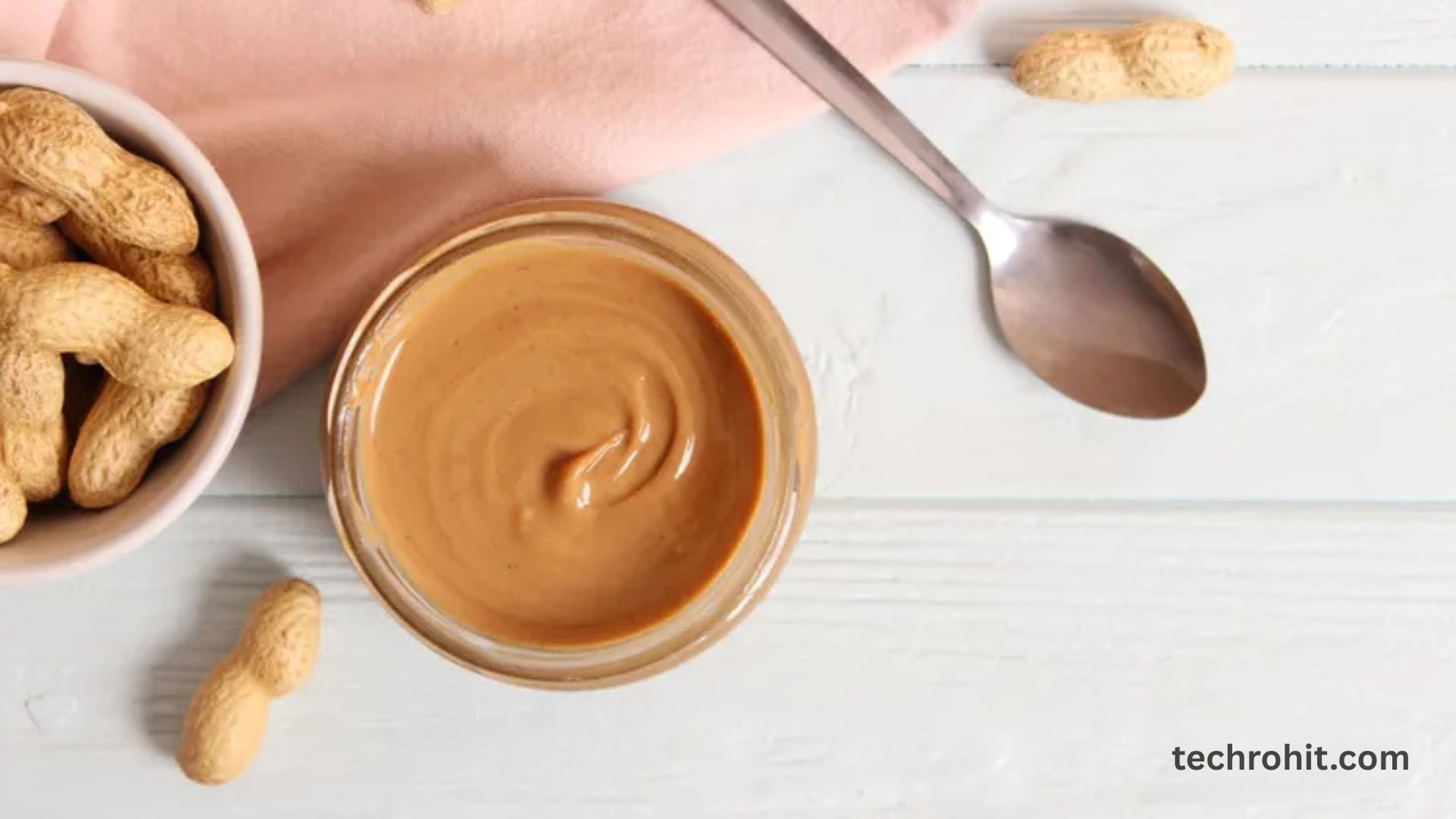
Peanut butter is a beloved pantry staple around the world, enjoyed on toast, in smoothies, and even straight from the jar. While it offers protein, healthy fats, and essential nutrients, not all peanut butter is created equal. As a dietitian, I’ve seen many people choose peanut butter based on brand or taste rather than nutritional value. Knowing how to select the healthiest peanut butter can make a significant difference for your health, especially if you consume it regularly.
This article breaks down four simple tips that will help you choose peanut butter that maximizes nutrition while minimizing unnecessary additives. Following these tips ensures that you enjoy the benefits of peanut butter safely and deliciously.
Check the Ingredient List
The first and most important step in choosing the healthiest peanut butter is reading the ingredient list. The best peanut butter should ideally contain only peanuts and perhaps a pinch of salt. Many commercial brands add sugar, hydrogenated oils, and other unnecessary additives that can reduce nutritional quality.
Sugar and hydrogenated oils not only add empty calories but may also contribute to inflammation, weight gain, and heart health issues over time. Choosing peanut butter with minimal ingredients ensures you are consuming a product that delivers natural protein, healthy fats, and essential vitamins like Vitamin E and magnesium without unnecessary extras.
Choose Natural or Unsweetened Varieties
When selecting peanut butter, look for natural or unsweetened options. These varieties are less processed and free from added sugars that can spike blood sugar levels. Many flavored or “creamy” options may seem appealing, but they often contain high amounts of sugar and stabilizers that reduce the overall health benefits.
Natural peanut butter usually separates, with oil floating to the top, indicating it hasn’t been overly processed. Stirring it back in is perfectly fine and preserves the healthy fats. By opting for natural or unsweetened peanut butter, you maximize nutrient intake while keeping added sugars at bay.
Pay Attention to Sodium and Fat Content
While peanuts themselves contain healthy monounsaturated and polyunsaturated fats, some peanut butter brands add hydrogenated oils or excessive salt. Checking the nutrition label for sodium and fat content is essential to ensure you are making a healthy choice.
The healthiest peanut butter will have low sodium and will avoid trans fats entirely. High sodium can contribute to elevated blood pressure, while trans fats are linked to heart disease. Sticking to products with natural fats and moderate salt ensures that your peanut butter supports heart health while still being rich in protein and healthy calories.
Consider Portion Control and Added Ingredients
Even the healthiest peanut butter can be high in calories, so portion control is important. A standard serving size is about two tablespoons, which provides around 180–200 calories. Eating beyond this can lead to unwanted weight gain, even if the peanut butter itself is healthy.
Additionally, consider any added ingredients like chocolate, honey, or flavorings. While they may taste delicious, they often add sugar and reduce the overall health value. Choosing plain, minimally processed peanut butter ensures that you get maximum nutrition with each serving while keeping calorie intake in check.
How to Incorporate Peanut Butter Healthily
Using peanut butter strategically in your meals can enhance your nutrient intake. Spread it on whole-grain toast for breakfast, add a spoonful to smoothies for a protein boost, or use it as a dip for fruits and vegetables. Combining peanut butter with fiber-rich foods helps regulate blood sugar and improves satiety.
For those who enjoy baking, natural peanut butter can replace butter or oil in some recipes, adding healthy fats and protein while reducing processed ingredients. By integrating peanut butter thoughtfully, you can enjoy its taste and benefits without overindulging.
The Health Benefits of Choosing the Right Peanut Butter
Selecting the healthiest peanut butter ensures you receive key nutrients that support your body. Protein in peanut butter helps build and repair muscles, while healthy fats support heart health and hormone production. Peanut butter is also a source of Vitamin E, magnesium, and niacin, all of which contribute to energy production, antioxidant protection, and bone health.
Avoiding added sugars and hydrogenated oils preserves these benefits and reduces the risk of metabolic issues. A small adjustment in the brand or type of peanut butter you choose can have a big impact on long-term health.
Read More: Medical Supply Chains Strengthened After Shortages
Common Mistakes People Make
Many people choose peanut butter based solely on taste, price, or marketing claims. Some believe that “low-fat” or “flavored” peanut butter is healthier, but these often contain additives that reduce overall nutrition. Another mistake is ignoring portion sizes, which can lead to excess calorie intake even from healthy peanut butter.
Being mindful of ingredients, serving sizes, and product quality helps you avoid these pitfalls while still enjoying this versatile food.
FAQs
What makes peanut butter healthy?
The healthiest peanut butter contains mostly peanuts, healthy fats, and minimal added sugar or salt, maximizing nutrition.
Should I choose natural or flavored peanut butter?
Natural or unsweetened peanut butter is best as it avoids added sugars and hydrogenated oils that reduce health benefits.
How much peanut butter is safe to eat daily?
A serving of 2 tablespoons is ideal. Eating more can add extra calories, even from healthy peanut butter.
Can peanut butter help with protein intake?
Yes, peanut butter is a good source of plant-based protein, supporting muscle repair and overall nutrition.
Are low-fat peanut butter options better?
Not always. Low-fat versions often contain added sugar or oils, reducing overall health value.
Can peanut butter be part of a weight-loss diet?
Yes, in controlled portions. Its protein and healthy fats can increase satiety and help manage appetite.
What nutrients are in the healthiest peanut butter?
It provides protein, healthy fats, Vitamin E, magnesium, and niacin for energy, heart, and bone health.
How should I store natural peanut butter?
Store in a cool, dry place or refrigerate to prevent oil separation and preserve freshness.
Conclusion:
Peanut butter can be a nutritious and delicious part of a balanced diet when chosen wisely. By following these four simple dietitian tips checking ingredients, choosing natural or unsweetened varieties, monitoring sodium and fat content, and practicing portion control you can ensure that you are selecting the healthiest peanut butter available.
With thoughtful choices, peanut butter provides protein, healthy fats, and essential nutrients without the downsides of added sugars or unhealthy oils. Incorporating it smartly into meals and snacks helps support heart health, maintain energy levels, and promote overall wellness. Choosing wisely transforms peanut butter from a tasty treat into a nutrient-rich ally for your health.
