



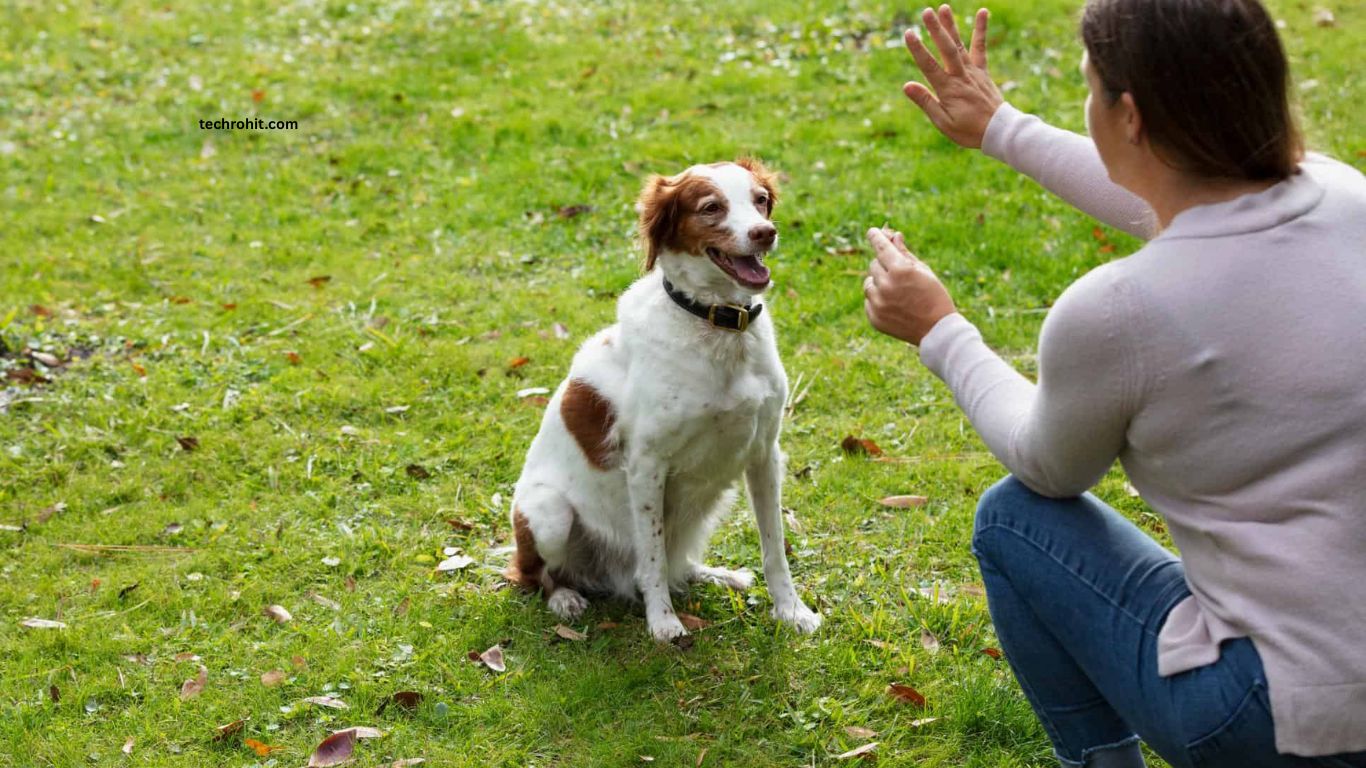
Training your dog becomes easier when learning feels rewarding, safe, and enjoyable. Positive reinforcement focuses on encouraging good behavior through rewards such as treats, praise, toys, or affection. This approach helps dogs understand which behaviors are desirable while building trust between dogs and their owners.
Positive reinforcement dog training works with puppies, adult dogs, and many different breeds. Consistent practice, clear communication, patience, and appropriate rewards can help create better manners and a stronger relationship. Understanding how rewards influence behavior makes the training process more effective and enjoyable.
Read More: Pet Grooming Tips for Healthier Fur and Skin
What Is Positive Reinforcement Dog Training?
Positive reinforcement is a training method that rewards a dog immediately after a desired behavior. The reward increases the likelihood of the dog repeating that behavior in the future.
For example, when a dog sits after receiving a command, offering a small treat and verbal praise teaches the dog that sitting produces a positive result. Repeating this process helps the dog connect the command, behavior, and reward.
Why Positive Reinforcement Works
Dogs naturally repeat behaviors that produce rewarding outcomes. Positive reinforcement uses this natural learning process to encourage desirable actions.
Reward-based dog training can also create a positive training environment. Dogs often become more willing to participate when training sessions involve encouragement instead of fear or intimidation. A calm approach can improve communication and help owners recognize what motivates their dogs.
Start With Simple Commands
Begin dog training with basic commands such as sit, stay, come, down, and leave it. Simple behaviors provide an excellent foundation for more advanced training.
Choose a quiet location with minimal distractions during early sessions. Give the command clearly, wait for the desired behavior, and provide the reward immediately after successful completion. Short sessions can help maintain concentration and prevent frustration.
Choose the Right Reward
Every dog responds differently to rewards. Some dogs prefer small food treats, while others respond better to praise, toys, playtime, or physical affection.
Use small, appealing treats during training so rewards remain motivating without adding excessive calories. Observe your dog’s preferences and use the most effective reward for each situation.
Reward Good Behavior Immediately
Timing plays an important role in positive reinforcement. A reward should follow the desired behavior quickly so the dog can understand which action earned the reward.
For example, when teaching a dog to sit, provide the reward immediately after the dog’s bottom reaches the floor. Delaying the reward can make it harder for the dog to connect the reward with the correct behavior.
Keep Training Sessions Short
Long training sessions can reduce focus and enthusiasm. Several short sessions throughout the day can produce better results than one lengthy session.
Practice for a few minutes at a time, especially with puppies or easily distracted dogs. End each session with a successful behavior so training remains associated with a positive experience.
Use Consistent Commands
Consistency helps dogs understand expectations. Choose one command for each behavior and encourage every household member to use the same wording.
For example, using “down” consistently instead of switching between “lie down,” “get down,” and “down there” can make learning easier. Consistent gestures can also support verbal commands.
Gradually Increase Distractions
Dogs may perform commands perfectly inside the house but struggle in busy outdoor environments. This does not necessarily mean the training has failed. Different surroundings introduce new sounds, smells, people, animals, and movement.
Begin training in a quiet environment, then gradually introduce distractions. Increase difficulty slowly while continuing to reward successful behavior.
Avoid Rewarding Unwanted Behavior
Positive reinforcement requires careful attention to timing. Accidentally rewarding unwanted behavior can teach a dog to repeat it.
For example, giving attention when a dog jumps may encourage jumping if attention is the desired reward. Wait for calm behavior, then provide praise or another suitable reward. This teaches the dog that calm behavior receives positive attention.
Teach Through Success
Effective dog training focuses on setting realistic expectations. Break complicated behaviors into smaller steps and reward progress.
If a dog struggles with a command, make the exercise easier rather than repeatedly correcting the dog. Gradual progress can build confidence while helping the dog understand what you expect.
Be Patient and Consistent
Every dog learns at a different pace. Age, temperament, previous experiences, environment, and motivation can influence training progress.
Remain calm when mistakes happen. Avoid frustration and focus on reinforcing the behavior you want to see. Consistent daily practice can gradually turn individual behaviors into reliable habits.
Positive Reinforcement for Puppy Training
Puppies benefit from positive reinforcement because early experiences can influence future behavior. Introduce basic commands, handling, social experiences, crate training, and appropriate bathroom habits through rewards and encouragement.
Keep puppy training sessions brief and engaging. Reward desirable behaviors immediately and provide plenty of opportunities for successful learning.
Positive Reinforcement for Adult Dogs
Adult dogs can learn new behaviors successfully through reward-based training. Older dogs may already have established habits, so changing unwanted behavior can require additional patience and repetition.
Start with manageable goals and reward desirable responses consistently. Avoid assuming that an adult dog cannot learn because of age or previous training experiences.
Common Dog Training Mistakes
Inconsistent commands, delayed rewards, excessive training sessions, unrealistic expectations, and rewarding unwanted behavior can slow progress. Another common mistake involves expecting a dog to perform a learned behavior reliably in every environment immediately.
Focus on clarity, timing, repetition, and gradual progression. Successful training depends more on consistency than on complicated techniques.
How Long Does Dog Training Take?
Training time varies according to the behavior, individual dog, environment, motivation, and consistency. Basic commands may become familiar relatively quickly, while reliable behavior around distractions can require considerably more practice.
Regular short sessions usually provide better learning opportunities than occasional intensive training. Continue reinforcing desirable behavior even after a dog appears to understand a command.
When to Seek Professional Dog Training Help
Professional guidance can be useful when a dog shows serious behavioral challenges, extreme fear, aggression, persistent anxiety, or difficulty progressing despite consistent training.
A qualified reward-based dog trainer can evaluate the situation and develop an appropriate training strategy. Veterinary guidance may also be appropriate when sudden behavioral changes appear, particularly when pain or another underlying issue could contribute to the behavior.
Frequently Asked Questions
What is positive reinforcement dog training?
Positive reinforcement rewards desirable behavior with treats, praise, toys, or affection to encourage repetition.
Is positive reinforcement effective for all dogs?
Yes. Positive reinforcement can work with puppies, adult dogs, and different breeds when training remains consistent.
How long should dog training sessions last?
Short sessions of around 5–10 minutes can help maintain focus, especially for puppies and easily distracted dogs.
What rewards work best for dogs?
Small treats, praise, toys, playtime, and affection can work well. The best reward depends on each dog’s preferences.
When should I reward my dog?
Reward your dog immediately after the desired behavior so the connection between the action and reward remains clear.
Can positive reinforcement stop unwanted behavior?
Yes. Rewarding desirable alternatives consistently can help reduce unwanted behaviors and encourage better habits.
Conclusion
Positive reinforcement dog training provides a practical way to teach desirable behavior while building trust and cooperation. Clear commands, immediate rewards, short sessions, consistent practice, and gradual increases in difficulty can make training more successful. The goal is not simply to teach commands. Effective positive reinforcement helps dogs understand expectations while making learning a rewarding experience.
