



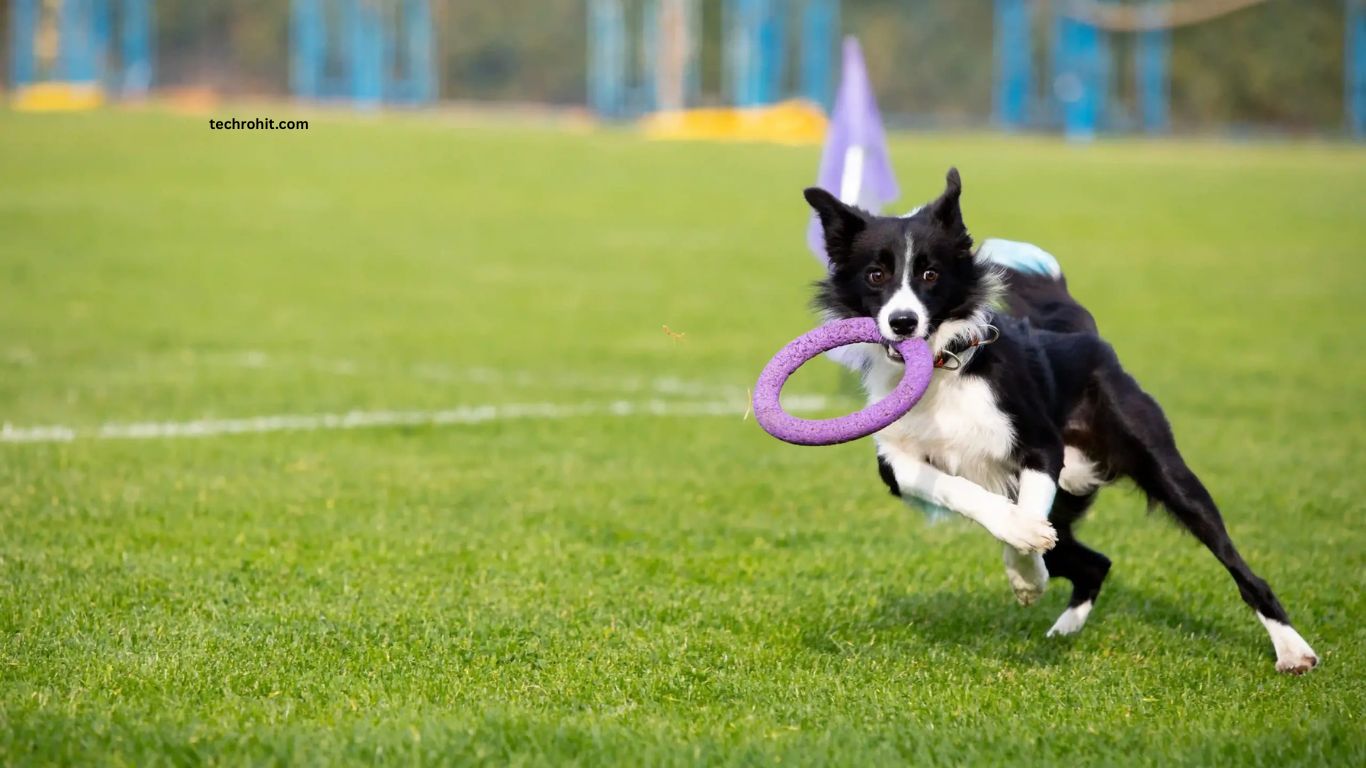
Keeping pets active every day supports better physical health, mental stimulation, and overall happiness. Dogs, cats, and other household pets need regular movement to stay energetic and avoid problems linked to boredom or inactivity. Simple activities at home can turn ordinary moments into enjoyable exercise sessions.
Pet owners do not need expensive equipment or complicated routines to keep their furry companions active. Interactive games, outdoor adventures, training sessions, and playful indoor activities can provide plenty of exercise. A consistent routine also helps pets develop healthy habits while strengthening the bond between pets and their owners.
Read More: Best Pet Foods Recommended by Experts
Play Fetch for Daily Exercise
Fetch remains one of the easiest ways to keep active pets moving. Dogs can chase balls, soft toys, or flying discs in a safe outdoor area. Indoor fetch can also work for smaller dogs when enough open space is available.
Change the toy occasionally to keep the activity interesting. Short sessions throughout the day can provide useful exercise without making your pet overly tired.
Try Interactive Puzzle Toys
Puzzle toys combine physical activity with mental stimulation. Treat-dispensing toys encourage pets to move, investigate, and solve simple challenges. These toys can be especially useful for pets that spend several hours indoors.
Choose puzzles according to your pet’s age, size, and experience level. Start with simple designs before introducing more challenging activities.
Create a Fun Indoor Obstacle Course
An indoor obstacle course can transform ordinary household space into an exciting play area. Cushions, tunnels, boxes, and pet-safe objects can create simple paths for pets to explore.
Make sure every item is stable and free from sharp edges or small parts that could become choking hazards. Supervise your pet throughout the activity and remove anything that becomes unsafe.
Take Daily Walks
Daily walks provide dogs with both exercise and mental enrichment. New sights, sounds, and smells encourage natural exploration while regular movement supports healthy weight and muscle strength.
Varying the walking route can make familiar exercise more exciting. Keep walks appropriate for your pet’s age, fitness level, weather conditions, and breed requirements.
Practice Active Training Games
Training does not have to remain a stationary activity. Commands such as sit, stay, come, spin, or touch can be combined with movement. Short training sessions can keep pets mentally engaged while adding physical activity.
Positive reinforcement makes training more enjoyable. Reward successful behavior with praise, affection, or suitable treats.
Play Hide and Seek
Hide and seek can provide excellent mental and physical stimulation. Ask your pet to stay while you hide in an easy-to-find location, then call their name. Reward them when they locate you.
For dogs, hiding favorite toys or treats around a safe room can create an enjoyable scent-based search game. Keep hiding places accessible and avoid areas where your pet could become trapped.
Encourage Safe Outdoor Exploration
Outdoor exploration gives pets an opportunity to move while experiencing different environments. A secure garden, enclosed yard, or pet-friendly outdoor space can provide valuable playtime.
Always check the area for dangerous plants, sharp objects, toxic substances, or escape routes before allowing your pet to explore freely.
Use Laser and Wand Games for Cats
Cats often enjoy activities that imitate natural hunting behavior. Wand toys, feather toys, and other interactive objects can encourage jumping, chasing, and quick movements.
Laser toys can also provide movement, but finish the session with a physical toy or treat that your cat can actually catch. This helps create a more satisfying play experience.
Schedule Playtime With Other Pets
Social play can provide exercise and companionship when pets have compatible personalities and play styles. Dogs may enjoy supervised play with familiar dogs, while some cats enjoy interactive play with another compatible cat.
Monitor body language throughout the session. Separate pets if play becomes aggressive, stressful, or overwhelming.
Rotate Activities to Prevent Boredom
Repeating the same game every day can eventually reduce your pet’s interest. Rotating toys, changing walking routes, introducing new training games, and creating different play sessions can keep activities fresh. A simple weekly rotation can provide variety without requiring major changes to your routine.
Keep Exercise Safe and Age Appropriate
Every pet has different exercise requirements. Puppies, senior pets, small breeds, large breeds, and pets with specific limitations may need different activity levels.
Avoid forcing exercise when your pet shows signs of exhaustion, discomfort, overheating, or unusual behavior. Provide fresh water and comfortable rest periods, especially during warm weather. When unsure about an appropriate exercise routine, consult a veterinarian for personalized guidance.
Build a Consistent Daily Routine
Consistency makes regular exercise easier for both pets and owners. A morning walk, afternoon play session, and short evening training game can create a balanced routine.
The goal is not to make every activity intense. Frequent, enjoyable movement combined with mental stimulation can help pets stay healthier, happier, and more engaged.
Frequently Asked Questions
How can I keep my pet active every day?
Use walks, interactive toys, training games, fetch, and supervised play sessions to provide daily physical and mental stimulation.
How much exercise does a pet need?
Exercise needs vary by species, age, breed, health, and energy level. Follow a routine suited to your pet’s individual needs.
What are fun indoor activities for pets?
Puzzle toys, hide and seek, indoor fetch, obstacle courses, and interactive training games are great indoor options.
Are puzzle toys good for pets?
Yes, puzzle toys provide mental stimulation while encouraging movement and problem-solving skills.
How can I keep my pet from getting bored?
Rotate toys, introduce new games, change walking routes, and provide regular interactive activities.
Is daily exercise important for pets?
Yes, regular activity supports healthy weight, muscle strength, mental stimulation, and overall well-being.
Conclusion
Fun daily activities can make a major difference in a pet’s physical and mental well-being. Fetch, walks, puzzle toys, training games, obstacle courses, hide and seek, and interactive play offer simple ways to keep pets moving. The best routine combines variety, consistency, safety, and activities suited to the individual pet. With regular attention and creative play, everyday moments can become opportunities for exercise, enrichment, and stronger companionship
