



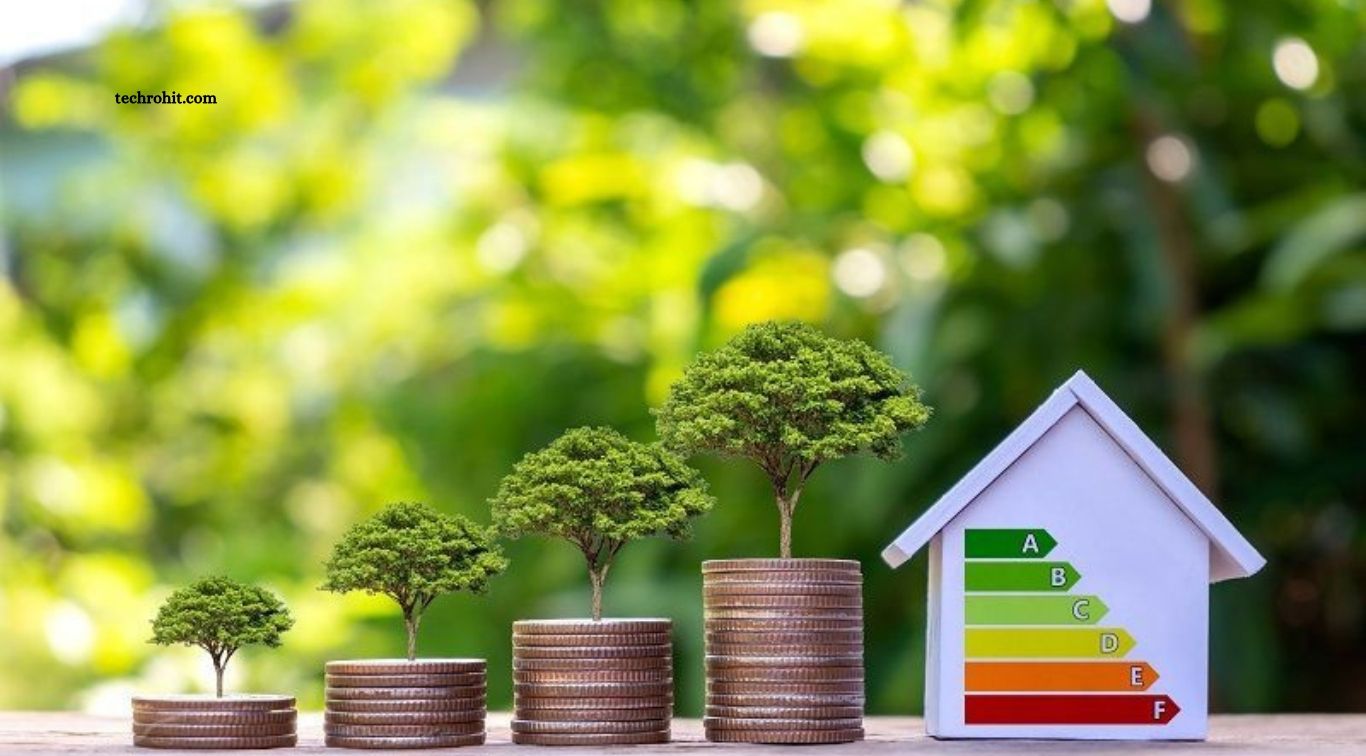
Making your home more energy-efficient is one of the smartest ways to reduce household expenses while creating a comfortable living environment. From improving insulation to installing energy-saving lighting, small upgrades can make a noticeable difference in how much electricity and heating your home consumes. These improvements can also reduce unnecessary energy waste and support a more sustainable lifestyle.
Many homeowners assume that energy-efficient upgrades require expensive renovations, but that is not always true. Several affordable changes can deliver long-term savings without completely redesigning your property. This guide explores practical energy-efficient home improvements that save money, explains their benefits, and shares simple ways to make your home more efficient.
Read More: Home Maintenance Tips Every Homeowner Should Know
Why Energy-Efficient Home Improvements Matter
Energy-efficient home improvements help reduce the amount of electricity, gas, or other energy needed to maintain a comfortable indoor environment. When your home uses less energy, your monthly utility bills can decrease. Improvements such as sealing air leaks, upgrading insulation, and using efficient appliances also help prevent energy from being wasted.
These upgrades offer benefits beyond financial savings. A well-insulated home can maintain more consistent indoor temperatures, while efficient lighting and appliances can improve everyday convenience. Reducing energy consumption can also lower your household’s environmental impact, making efficiency improvements a practical investment for the future.
Best Energy-Efficient Home Improvements That Save Money
Upgrade Your Home Insulation
Proper insulation is one of the most effective ways to improve home energy efficiency. It helps slow heat transfer between indoor and outdoor spaces, keeping rooms warmer during colder months and cooler during hot weather. Insulating roofs, ceilings, walls, and floors can reduce the amount of energy needed for heating and cooling.
Before upgrading insulation, identify areas where heat is escaping or entering your home. Roof spaces, exterior walls, and poorly insulated rooms are common places to investigate. Choosing suitable insulation materials and ensuring professional installation where necessary can improve comfort and help reduce energy costs over time.
Seal Windows and Doors
Small gaps around windows and doors can allow conditioned air to escape and outdoor air to enter. This forces heating and cooling systems to work harder, increasing energy consumption. Weatherstripping, caulking, and door sweeps are affordable solutions that can help close these gaps and improve indoor comfort.
Check window frames, door edges, and other openings for noticeable drafts. Replace damaged seals and apply suitable materials to areas where air leakage occurs. These simple improvements are generally inexpensive and can make a meaningful difference without requiring major construction work.
Install Energy-Efficient LED Lighting
Replacing traditional incandescent bulbs with LED lighting is an easy way to reduce electricity consumption. LED bulbs generally use significantly less energy and last much longer than traditional incandescent options. This means homeowners can save on electricity while reducing how often they need to replace bulbs.
Start by replacing the lights you use most frequently, such as kitchen, living room, hallway, and outdoor lighting. Choose the appropriate brightness and color temperature for each space. You can also install motion sensors or timers in areas where lights are often left on unnecessarily.
Choose Energy-Efficient Appliances
Household appliances such as refrigerators, washing machines, air conditioners, and dishwashers can contribute significantly to electricity consumption. Older appliances may use more energy than newer efficient models, particularly when they operate frequently. Replacing an inefficient appliance with an appropriately sized energy-efficient model can help lower long-term operating costs.
Before purchasing a new appliance, compare its energy rating, estimated annual electricity consumption, capacity, and purchase price. Do not replace a working appliance automatically; consider its remaining useful life and potential energy savings first. Choosing an efficient model when an upgrade is necessary can provide better value over time.
Improve Heating and Cooling Efficiency
Heating and cooling systems often account for a substantial portion of household energy use. Regular maintenance, clean filters, and appropriate temperature settings can help these systems operate more efficiently. If your system is outdated or poorly maintained, it may consume additional energy to achieve the desired indoor temperature.
Consider using a programmable or smart thermostat where compatible. These devices can adjust temperatures according to your daily schedule, reducing unnecessary heating or cooling when rooms are unoccupied. In homes without central systems, ceiling fans, ventilation improvements, and targeted cooling can also help maintain comfort with less energy.
Install Energy-Efficient Windows
Older or poorly sealed windows can contribute to heat loss in winter and unwanted heat gain during summer. Energy-efficient windows are designed to reduce heat transfer and improve indoor temperature control. Depending on your climate and property, double-glazed windows, low-emissivity coatings, and insulated frames may provide useful improvements.
Window replacement can involve a significant upfront investment, so compare the expected savings with installation costs before making a decision. In some homes, repairing seals, adding suitable curtains, or installing window film may be more affordable alternatives. Select solutions based on your local climate, window condition, and budget.
Use Solar Energy Where Practical
Solar energy can help homeowners reduce dependence on grid electricity by generating power from sunlight. Rooftop solar panels are a popular option in areas with suitable sunlight and roof conditions. Depending on system size, installation costs, electricity prices, and available policies, solar energy may provide meaningful long-term savings.
Before installing a solar system, evaluate your electricity consumption and compare quotations from qualified installers. Consider equipment quality, warranties, maintenance requirements, and the available net-metering or export arrangements in your area. A properly designed system should match your household’s energy needs rather than simply maximizing the number of panels.
Install Water-Saving Fixtures
Reducing hot water consumption can also improve household energy efficiency because heating water requires energy. Low-flow showerheads, efficient taps, and water-saving fixtures can reduce unnecessary water use while maintaining practical performance. These upgrades may be especially useful in households with frequent showers or high hot-water demand.
You can also reduce energy waste by repairing leaking hot-water pipes and using suitable insulation around accessible hot-water storage tanks and pipes. Set your water heater to a safe, manufacturer-recommended temperature rather than keeping it unnecessarily high. Small adjustments can reduce both water and energy expenses.
Low-Cost Energy-Efficient Improvements for Every Home
Not every energy-saving improvement requires a major investment. Turning off unused lights, unplugging devices that continue drawing standby power, washing clothes with cooler water, and using natural daylight are simple habits that can reduce unnecessary electricity use. Cleaning appliance filters and maintaining equipment also helps prevent avoidable energy waste.
Homeowners can make additional improvements by using curtains strategically, keeping refrigerator doors properly sealed, and closing doors to unused rooms when appropriate for their heating or cooling system. Although individual changes may produce modest savings, combining several practical habits can create a noticeable difference in household energy consumption.
How to Choose the Right Home Improvements
The best improvements depend on your home’s condition, local climate, energy prices, and available budget. Begin by reviewing utility bills to identify periods of unusually high consumption. Then inspect areas such as windows, doors, roof spaces, lighting, and appliances to find where energy may be wasted.
Prioritize upgrades that address the biggest problems and offer reasonable long-term value. For example, sealing major air leaks may be more affordable than replacing every window, while upgrading an old refrigerator may make more sense than replacing a recently purchased efficient model. Compare installation costs, expected savings, maintenance, and product warranties before making decisions.
Common Mistakes to Avoid When Improving Home Energy Efficiency
One common mistake is purchasing expensive equipment without first understanding the home’s energy needs. Installing an oversized air conditioner, choosing unsuitable insulation, or investing in solar panels without reviewing electricity consumption can reduce the value of an upgrade. Proper assessment and planning help homeowners avoid unnecessary expenses.
Another mistake is ignoring maintenance after installing energy-efficient products. Dirty filters, damaged seals, poorly adjusted systems, and neglected appliances can reduce performance over time. Follow manufacturer recommendations, arrange professional inspections when necessary, and monitor energy bills to determine whether your improvements are delivering the expected results.
Frequently Asked Questions
What Are the Best Energy-Efficient Home Improvements?
Insulation, LED lighting, weatherstripping, efficient appliances, and improved heating and cooling systems are among the most useful upgrades. The best choice depends on your home’s current condition.
How Can I Make My Home More Energy-Efficient on a Budget?
Start by sealing air leaks, replacing frequently used bulbs with LEDs, cleaning appliance filters, and reducing unnecessary electricity use. These improvements require relatively little investment.
Do Energy-Efficient Appliances Really Save Money?
Yes, efficient appliances generally use less electricity or water than comparable inefficient models. Actual savings depend on usage, energy prices, appliance performance, and purchase costs.
Are Solar Panels Worth Installing at Home?
Solar panels can reduce electricity purchases when the system is properly sized, and local conditions are suitable. Compare installation costs, available incentives, electricity rates, and expected energy production.
Which Home Improvement Saves the Most Energy?
The biggest savings often come from addressing major sources of energy waste, such as poor insulation, air leaks, and inefficient heating or cooling equipment. Results vary between homes.
How Can I Reduce My Electricity Bill Every Month?
Use LED lighting, switch off unused equipment, maintain appliances, adjust cooling and heating settings, and choose energy-efficient products when replacing old ones. Regularly monitor your electricity consumption.
Conclusion
Energy-efficient home improvements can reduce utility expenses, improve indoor comfort, and make everyday living more sustainable. Simple upgrades such as LED lighting, insulation, weatherstripping, efficient appliances, and better heating and cooling practices can help reduce energy waste. Larger investments, including solar panels and efficient windows, may also provide long-term value when selected carefully. The best approach is to start with affordable improvements and focus on the areas where your home wastes the most energy. Compare costs, choose suitable products, and maintain your equipment regularly.
