



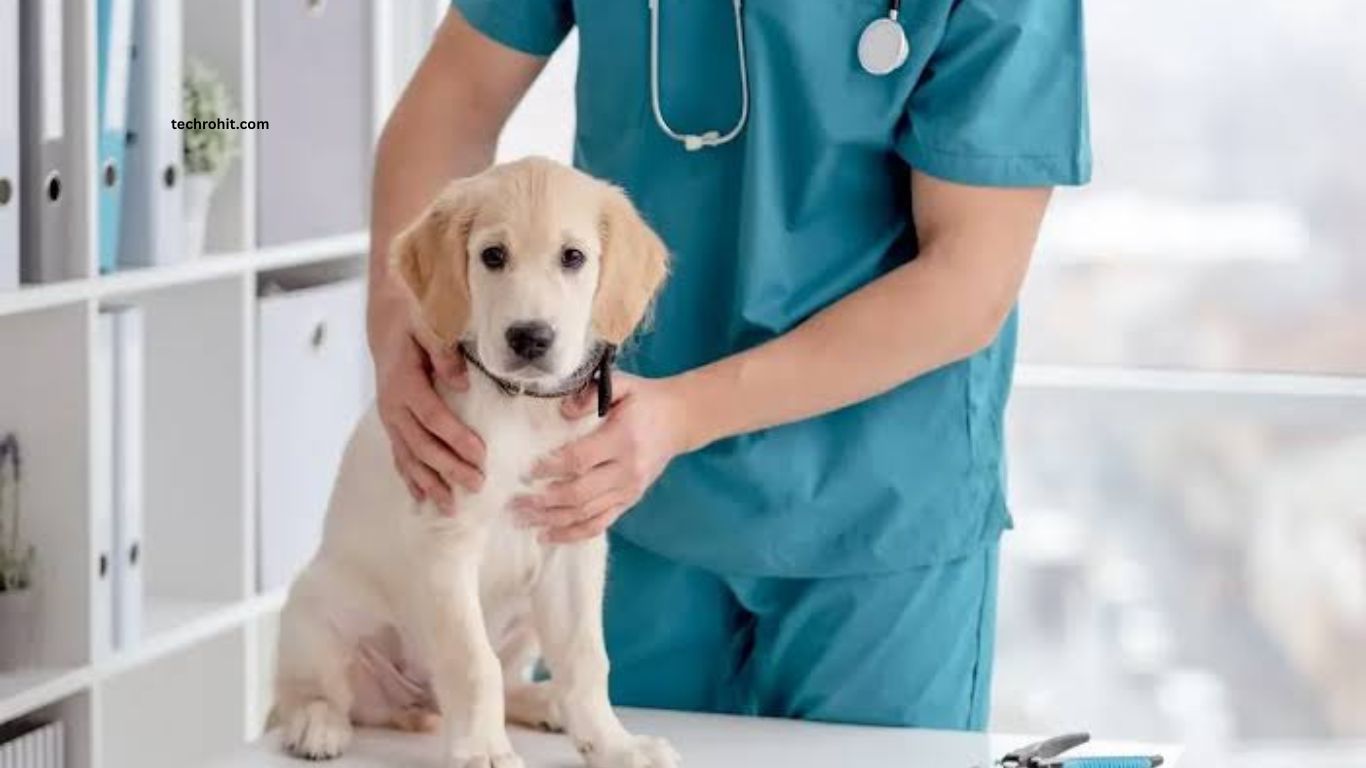
Pets often hide pain and illness, making it difficult for owners to recognize when something is seriously wrong. A sudden change in behavior, appetite, breathing, movement, or bathroom habits can indicate a medical emergency. Recognizing warning signs early can help protect your pet from complications and provide the timely treatment they need.
Knowing the signs that require immediate veterinary care can give pet owners greater confidence during stressful situations. Some symptoms may appear minor initially but can quickly become dangerous. Paying close attention to your pet’s normal habits and seeking professional help when something seems unusual can make an important difference.
Read More: How to Train Your Dog Using Positive Reinforcement
Difficulty Breathing
Breathing problems are among the most serious warning signs in pets. Rapid breathing, struggling to breathe, excessive panting without exercise, wheezing, or unusual breathing sounds can indicate a potentially dangerous condition.
Pets showing severe breathing difficulty should receive emergency veterinary attention. Avoid forcing food, water, exercise, or medication while arranging professional care.
Severe Vomiting or Diarrhea
Occasional digestive upset may occur after dietary changes, but repeated vomiting or severe diarrhea can become dangerous. Frequent episodes may cause dehydration, weakness, electrolyte problems, or blood loss.
Blood in vomit or stool, persistent vomiting, extreme weakness, or signs of abdominal pain require prompt veterinary evaluation.
Sudden Loss of Consciousness
Collapse, fainting, or sudden loss of consciousness should never be ignored. These symptoms can result from heart problems, internal bleeding, neurological disorders, poisoning, or other serious conditions.
Keep your pet calm and prevent unnecessary movement while contacting a veterinarian. Emergency evaluation is especially important when collapse occurs repeatedly or alongside breathing difficulties.
Seizures
A seizure can cause uncontrolled shaking, stiffening, paddling movements, drooling, loss of awareness, or unusual behavior afterward. A first-time seizure requires veterinary assessment because several underlying conditions can cause seizures.
During a seizure, move nearby objects away from your pet and avoid placing anything inside their mouth. Contact a veterinarian immediately, especially if the seizure lasts several minutes, repeats, or your pet does not recover normally.
Severe Injury or Bleeding
Major wounds, heavy bleeding, suspected fractures, animal bites, burns, or injuries caused by vehicles require urgent veterinary care. Internal injuries may also occur without obvious external wounds.
Apply gentle pressure with a clean cloth or gauze to significant external bleeding while arranging veterinary treatment. Avoid giving human pain medication because many medications can be toxic to pets.
Sudden Difficulty Walking
A pet that suddenly cannot stand, walk, use a limb, or maintain balance may have a neurological problem, spinal injury, fracture, or another serious condition.
Sudden paralysis or severe weakness should be treated as an emergency. Keep your pet as still as possible and seek veterinary assistance quickly.
Pale, Blue, or Gray Gums
Healthy gums are generally pink, although normal coloration can vary between individual pets. Very pale, white, blue, gray, or purple gums can indicate poor circulation, oxygen problems, shock, anemia, or another serious medical condition.
Check your pet’s gums when they are calm. Abnormal gum color combined with weakness, breathing difficulty, collapse, or rapid breathing requires immediate veterinary attention.
Suspected Poisoning
Pets may accidentally consume medications, cleaning products, toxic plants, chemicals, chocolate, certain foods, or other dangerous substances. Poisoning can cause vomiting, drooling, tremors, seizures, weakness, abnormal behavior, or breathing problems.
If poisoning is suspected, contact a veterinarian or emergency animal hospital immediately. Do not induce vomiting unless a veterinary professional specifically instructs you to do so.
Bloated or Painful Abdomen
A suddenly swollen, hard, or painful abdomen can indicate a serious gastrointestinal emergency. Dogs, particularly large or deep-chested breeds, can develop gastric dilatation-volvulus, commonly known as bloat.
Repeated unsuccessful attempts to vomit, restlessness, excessive drooling, abdominal swelling, weakness, or collapse require immediate emergency care.
Difficulty Urinating
Straining to urinate, repeatedly attempting to urinate without producing urine, crying while urinating, or showing obvious discomfort can signal a urinary blockage or another serious urinary problem.
Complete inability to urinate is a medical emergency, particularly in male cats. Immediate veterinary treatment can help prevent life-threatening complications.
Extreme Lethargy or Sudden Behavior Changes
Pets naturally have periods of rest, but extreme lethargy is different from normal tiredness. A pet that suddenly becomes unusually weak, unresponsive, disoriented, withdrawn, or unable to perform normal activities may be experiencing a serious illness.
Sudden behavioral changes become more concerning when they occur with vomiting, breathing problems, pain, appetite loss, fever, collapse, or abnormal movement.
Loss of Appetite With Other Symptoms
Skipping one meal may not always indicate an emergency, depending on the pet and circumstances. However, refusing food for an extended period becomes more concerning when accompanied by vomiting, diarrhea, weakness, pain, dehydration, breathing problems, or unusual behavior. Young animals, senior pets, and pets with existing medical concerns may require faster assessment.
What To Do During a Pet Emergency
Stay calm and limit your pet’s movement. Contact a veterinarian or emergency animal hospital and explain the symptoms, when they started, and whether they are getting worse.
Keep potentially toxic substances, medication packages, or relevant information available if poisoning or accidental ingestion may be involved. Avoid giving human medicines or attempting home treatments unless directed by a veterinary professional.
Transport your pet safely using a carrier, blanket, or suitable support when necessary. A frightened or injured animal may bite even when normally gentle, so handle them carefully.
When Immediate Veterinary Care Is Necessary
Any symptom involving breathing difficulty, collapse, severe bleeding, seizures, poisoning, inability to urinate, severe injury, or sudden paralysis deserves urgent professional attention. When a pet appears critically ill, waiting to see whether symptoms improve can increase the risk of complications.
Pet owners know their animals’ normal behavior better than anyone. A sudden and significant change should be taken seriously, especially when multiple warning signs appear together.
Frequently Asked Questions
When does a pet need immediate veterinary care?
Breathing difficulty, collapse, seizures, severe bleeding, poisoning, or sudden paralysis require immediate veterinary attention.
Is repeated vomiting an emergency for pets?
Repeated vomiting, especially with blood, weakness, pain, or dehydration, requires prompt veterinary evaluation.
What does abnormal gum color mean in pets?
Pale, white, blue, gray, or purple gums may indicate serious circulation or oxygen problems.
Is difficulty urinating dangerous for pets?
Yes. Straining or inability to urinate can indicate a urinary blockage and requires urgent veterinary care.
Should I give human medicine to my sick pet?
No. Many human medications can be toxic to pets. Contact a veterinarian before giving any medication.
What should I do during a pet emergency?
Keep your pet calm, limit movement, contact a veterinarian, and follow professional instructions until care is available.
Conclusion
Recognizing emergency symptoms can help pet owners act quickly when their animals need professional treatment. Breathing problems, seizures, poisoning, severe injuries, abnormal gum color, collapse, urinary blockage, and sudden paralysis are important warning signs that should never be ignored. When a pet’s condition seems serious or rapidly worsening, contacting a veterinarian promptly is the safest choice. Early veterinary care can improve treatment options and give pets a better chance of recovering safely.
