



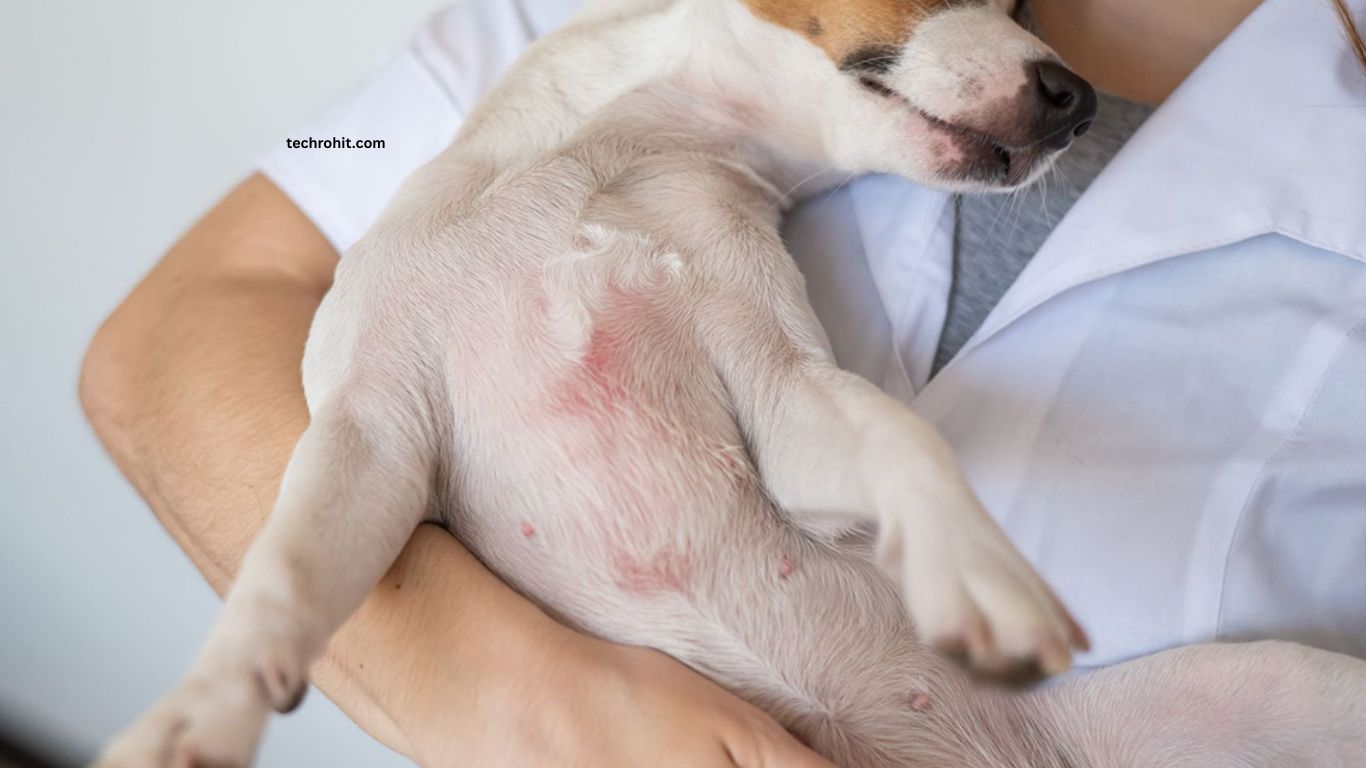
Regular pet grooming plays an important role in maintaining healthy fur, clean skin, and overall comfort. Proper grooming removes dirt, loose hair, dead skin, and unwanted buildup while helping pet owners notice potential skin problems early.
A consistent grooming routine can also reduce shedding, prevent painful tangles, and keep pets looking fresh. Whether you have a dog, cat, or another furry companion, simple grooming habits can support better hygiene and long-term wellness.
Read More: Fun Activities to Keep Your Pets Active Every Day
Why Pet Grooming Matters
Pet grooming goes beyond improving appearance. Clean fur helps reduce the buildup of dust, allergens, and debris that can irritate the skin. Brushing also distributes natural oils throughout the coat, helping maintain softness and shine.
Regular grooming gives owners an opportunity to check for unusual lumps, redness, parasites, wounds, dry patches, or changes in the skin. Early detection can make it easier to address potential problems before they become more serious.
Brush Your Pet Regularly
Brushing should match your pet’s coat type and hair length. Long-haired pets generally need more frequent brushing because their fur can become tangled quickly. Short-haired pets also benefit from regular brushing because it removes loose hair and supports healthy skin.
Use a brush designed for your pet’s coat. Brush gently, especially around sensitive areas such as the belly, ears, legs, and tail. Avoid pulling hard on mats because this can cause discomfort or damage the skin.
Choose the Right Bathing Routine
Bathing helps remove dirt, odors, excess oils, and environmental debris. However, bathing too frequently can remove natural oils and leave the skin dry or irritated.
Use a pet-safe shampoo formulated for your animal. Human shampoos may contain ingredients that are unsuitable for pets. Rinse the coat thoroughly to remove all shampoo residue, then dry your pet properly with a clean towel.
Keep the Skin Moisturized Naturally
Healthy skin depends on proper nutrition, hydration, and suitable grooming practices. Excessive bathing, harsh products, or aggressive brushing can contribute to dryness.
Provide fresh drinking water throughout the day and feed a balanced diet appropriate for your pet’s age and needs. If persistent dryness, flaking, or irritation appears, consult a veterinarian before using moisturizers or other skin products.
Pay Attention to Paws and Nails
Paw care is an important part of pet grooming. Check the paws regularly for dirt, cracks, cuts, foreign objects, or irritation. Cleaning paws after outdoor activities can help reduce the amount of dirt entering your home.
Nails should remain at a comfortable length. Overgrown nails can affect walking and may cause discomfort. Trim carefully with pet-specific nail clippers, or ask a professional groomer or veterinarian for assistance if your pet becomes nervous during nail trimming.
Clean the Ears Carefully
Ear hygiene can help prevent excessive wax and debris from building up. Check your pet’s ears regularly for unusual odor, redness, swelling, discharge, or excessive scratching.
Never insert cotton swabs deep into the ear canal. Use only veterinarian-recommended ear-cleaning products and follow proper instructions. Persistent ear problems require professional veterinary attention.
Maintain Good Dental Hygiene
Dental care should also be included in a complete grooming routine. Plaque and tartar can contribute to unpleasant breath, gum problems, and other oral health concerns.
Use pet-specific toothbrushes and toothpaste rather than human dental products. Regular veterinary dental checkups can provide additional protection for your pet’s oral health.
Grooming Tips for Different Coat Types
Every pet has different grooming requirements. Long and thick coats usually need frequent brushing to control tangles and mats. Curly coats may require specialized grooming tools and professional trimming.
Short coats generally require less maintenance but still benefit from regular brushing. Double-coated breeds may shed heavily during seasonal changes and need additional brushing during those periods.
Understanding your pet’s coat type helps you choose suitable grooming tools and establish a routine that keeps the fur comfortable and manageable.
Watch for Common Skin Problems
Grooming sessions provide a useful opportunity to inspect your pet’s skin. Look for excessive scratching, redness, bald patches, unusual odors, scabs, flakes, swelling, or visible parasites.
Changes in skin or fur can have many causes, including allergies, parasites, infections, environmental factors, or other health conditions. Avoid treating persistent symptoms with random products. A veterinarian can identify the underlying cause and recommend appropriate care.
Make Grooming Comfortable
Pets can become anxious when grooming feels unfamiliar or uncomfortable. Introduce grooming gradually and keep early sessions short. Gentle handling and positive reinforcement can help create a calmer experience.
Choose a quiet area and use suitable tools. Avoid forcing your pet through a stressful grooming session. Professional grooming support can be useful for pets with difficult coats, severe matting, or strong grooming anxiety.
Build a Consistent Grooming Routine
Consistency is one of the most effective ways to maintain healthier fur and skin. Regular brushing, occasional bathing, nail care, ear checks, dental hygiene, and skin inspections can become simple parts of everyday pet care.
The ideal routine depends on your pet’s breed, coat, age, lifestyle, and individual needs. A veterinarian or professional groomer can help determine an appropriate grooming schedule.
Frequently Asked Questions
How often should I groom my pet?
Grooming frequency depends on your pet’s breed, coat type, lifestyle, and shedding pattern. Long-haired pets usually need more frequent grooming than short-haired pets.
How often should pets be bathed?
Bathing needs vary between individual pets. Follow your veterinarian’s recommendations and use a shampoo specifically formulated for pets.
Can I use human shampoo on my pet?
Human shampoo is generally not recommended because it may be unsuitable for a pet’s skin. Choose a gentle product specifically designed for animals.
How can I prevent fur mats?
Regular brushing is one of the best ways to prevent mats. Long-haired pets may need daily brushing, especially in areas prone to tangling.
What should I do if my pet has irritated skin?
Avoid applying random treatments. If irritation continues or your pet shows significant scratching, redness, hair loss, or discomfort, consult a veterinarian.
How can I make grooming easier for my pet?
Start slowly, use gentle handling, keep sessions comfortable, and reward calm behavior. Professional grooming can help when home grooming becomes difficult.
Does grooming help reduce shedding?
Yes. Regular brushing removes loose hair before it spreads around the home and helps keep the coat cleaner and healthier.
Conclusion
Regular pet grooming supports healthier fur, cleaner skin, better hygiene, and greater comfort. Brushing, bathing, nail trimming, ear care, dental hygiene, and routine skin checks can help prevent common grooming problems while strengthening your pet’s overall wellbeing. A consistent, gentle grooming routine combined with proper nutrition and veterinary care can keep your pet comfortable, healthy, and looking their best.
