



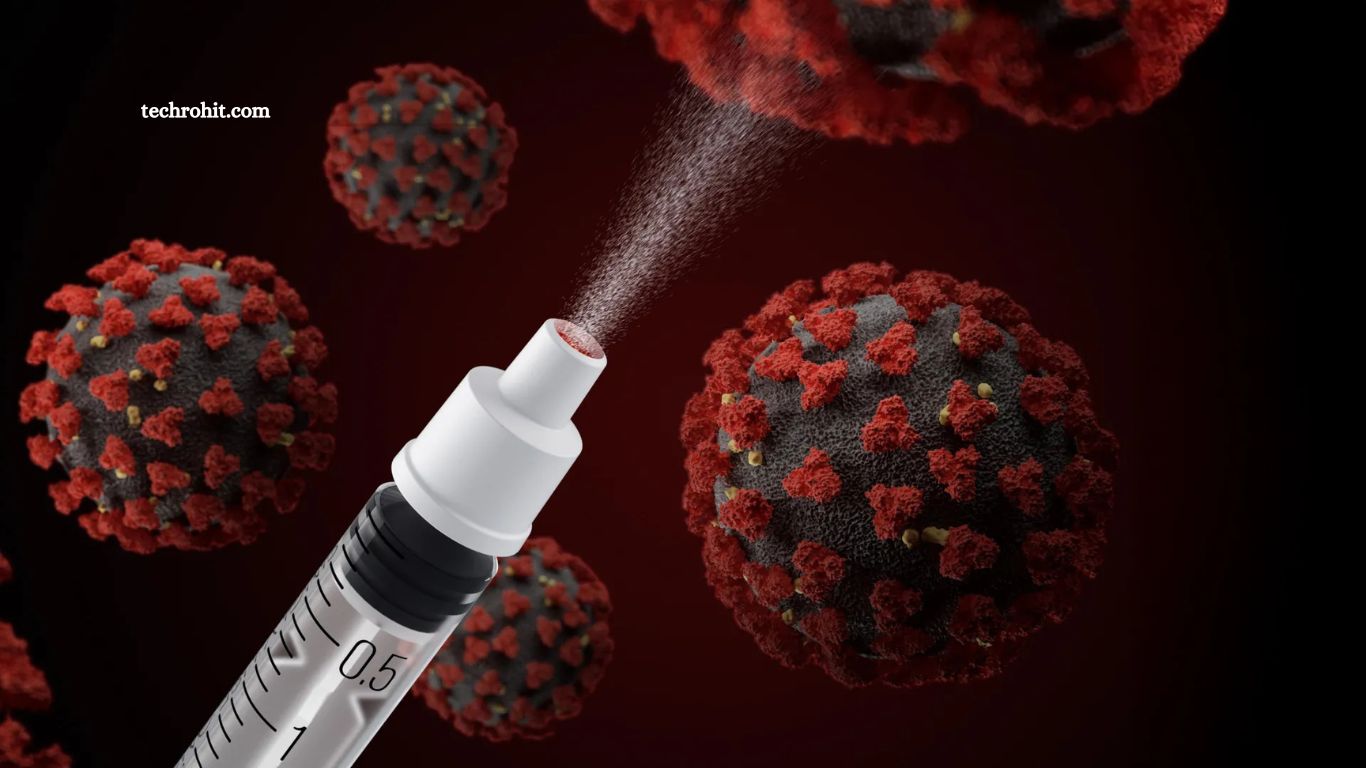
A breakthrough in respiratory medicine is emerging as scientists develop a universal nasal spray vaccine designed to protect against COVID-19, influenza, and pneumonia in a single formulation.
This innovation could reshape global vaccination strategies by offering broad protection through a simple, needle-free application.
Read More: They Hated Exercise. Weight-Loss Drugs Changed Everything.
A New Era in Mucosal Immunity
Traditional vaccines are typically injected into muscle tissue, generating strong systemic immunity. The new nasal spray approach targets the mucosal lining of the nose and upper respiratory tract, the primary entry point for airborne viruses and bacteria.
By activating immune defenses directly at the infection site, this method strengthens both local and systemic immunity. Researchers aim to reduce transmission rates, not only the severity of illness.
Multi-Pathogen Protection in One Dose
The universal vaccine platform is engineered to target multiple respiratory pathogens simultaneously, including:
- SARS-CoV-2 (COVID-19)
- Influenza viruses (seasonal flu strains)
- Streptococcus pneumoniae (a major cause of pneumonia)
This multi-target design reduces the need for separate annual shots, simplifying immunization schedules and improving global vaccine compliance.
Needle-Free Delivery Advantage
One of the most significant advantages of the nasal spray format is ease of administration. It removes the need for needles, making vaccination:
- Less painful and more acceptable for children and adults
- Easier to distribute in mass immunization programs
- Suitable for self-administration under guidance
This could be especially impactful in low-resource regions where healthcare infrastructure is limited.
Stronger Protection at the Entry Point
Respiratory infections begin in the nose and throat. By stimulating immune responses in these areas, the vaccine aims to block pathogens before they spread deeper into the lungs.
This localized immunity may reduce infection rates more effectively than traditional intramuscular vaccines, which primarily prevent severe disease rather than initial infection.
Potential Impact on Public Health
If successful in large-scale trials, the universal nasal vaccine could transform global health strategies by:
- Reducing seasonal outbreaks of flu and pneumonia
- Limiting future COVID-19 waves
- Decreasing hospital admissions related to respiratory illness
- Lowering healthcare costs worldwide
Public health systems could shift from multiple annual vaccinations to a single combined preventive solution.
Ongoing Research and Clinical Trials
Scientists are currently conducting advanced preclinical and clinical studies to evaluate safety, immune response durability, and long-term effectiveness. Regulatory approval will depend on successful trial outcomes and consistent protection across diverse populations.
Challenges Ahead
Despite its promise, researchers must address several challenges:
- Ensuring long-lasting immunity
- Maintaining effectiveness against virus mutations
- Scaling production for global distribution
- Meeting regulatory standards across countries
These hurdles will determine how quickly the vaccine reaches public use.
Frequently Asked Questions
What is the universal nasal spray vaccine?
It is a new vaccine delivered through the nose that aims to protect against COVID-19, the flu, and pneumonia in a single dose.
How does it work?
It boosts immune defense in the nose and upper airways, stopping infections at the entry point.
Is it injected like normal vaccines?
No, it is needle-free and given as a nasal spray.
Which diseases does it target?
It targets COVID-19, influenza (flu), and pneumococcal pneumonia.
Is it available to the public now?
Not yet. It is still under research and clinical trials.
What is the main benefit of this vaccine?
It offers easier delivery and broader protection against multiple respiratory infections.
Conclusion
The development of a universal nasal spray vaccine marks a significant step forward in infectious disease prevention. By combining protection against COVID-19, influenza, and pneumonia into a single, needle-free solution, scientists are moving closer to a more efficient and accessible future for global immunization.
