



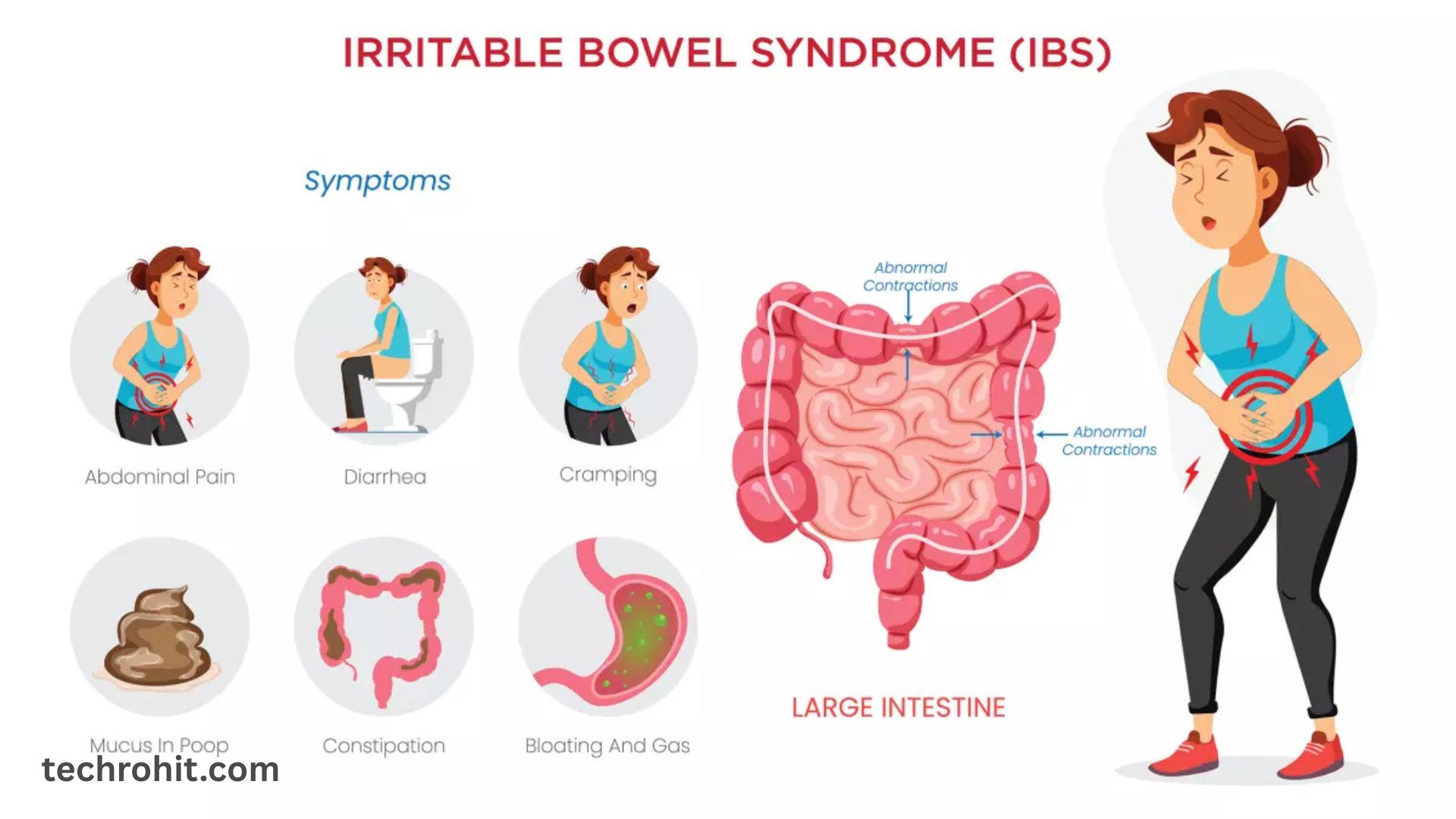
Irritable Bowel Syndrome, commonly referred to as IBS, is a prevalent digestive disorder affecting millions worldwide. Characterized by abdominal pain, bloating, and changes in bowel habits, IBS significantly impacts quality of life. Despite its prevalence, many people remain unaware of the different IBS types and how each manifests differently in patients. Understanding these distinctions is crucial for effective management, diet planning, and improving overall digestive health.
This article explores the three main IBS types, their symptoms, causes, and practical strategies to manage them, providing a comprehensive guide for patients, caregivers, and anyone seeking to improve gut health.
What is IBS?
Irritable Bowel Syndrome is a functional gastrointestinal disorder, meaning the digestive system appears normal in medical tests, but symptoms are real and can be debilitating. Symptoms often include cramping, abdominal pain, bloating, gas, and irregular bowel movements. The condition is chronic and tends to fluctuate over time, with symptoms worsening under stress or dietary triggers.
IBS affects people of all ages but is most commonly diagnosed in young adults and women. While it does not cause permanent damage to the intestines or increase the risk of more serious gastrointestinal diseases, understanding its subtypes known as IBS types is critical for effective treatment and symptom management.
The 3 Main IBS Types
Doctors categorize IBS into three primary types based on predominant bowel habits: IBS-C (Constipation), IBS-D (Diarrhea), and IBS-M (Mixed). Each type requires different management strategies, making diagnosis and awareness vital for those affected.
IBS-C: Constipation-Predominant
IBS-C is characterized by infrequent bowel movements, hard or lumpy stools, and difficulty passing stool. Individuals with IBS-C often experience abdominal pain and bloating, particularly after meals. This type of IBS is more common in women and can significantly impact daily routines due to discomfort and digestive irregularities.
Dietary habits, low fiber intake, dehydration, and slow gut motility often exacerbate IBS-C symptoms. Treatment usually involves increasing fiber consumption, drinking plenty of water, and incorporating regular exercise. In some cases, doctors may recommend medications or probiotics to improve gut motility and balance intestinal flora.
IBS-D: Diarrhea-Predominant
IBS-D involves frequent, loose, or watery stools accompanied by abdominal cramping. Individuals with IBS-D may also experience urgency and occasional incontinence. Stress and certain foods, particularly those high in fat or artificial sweeteners, can trigger symptoms.
Management of IBS-D focuses on dietary adjustments, including avoiding trigger foods, reducing caffeine and alcohol intake, and incorporating soluble fiber to regulate bowel movements. Medications may also be prescribed to control diarrhea and alleviate discomfort. Awareness of this IBS type helps patients plan their meals, manage stress, and maintain a normal lifestyle.
IBS-M: Mixed Type
IBS-M is characterized by alternating symptoms of constipation and diarrhea. Individuals with IBS-M may experience unpredictable bowel habits, making it challenging to identify triggers or establish a consistent management routine. Abdominal pain, bloating, and gas are common, and symptoms may fluctuate depending on diet, stress, and hormonal changes.
Managing IBS-M often requires a combination of strategies used for IBS-C and IBS-D. A carefully monitored diet, stress management, and lifestyle adjustments are key. Probiotics and medications can also help balance bowel function and alleviate discomfort.
Common Symptoms Across IBS Types
While the IBS types differ in bowel habits, many symptoms overlap. These include abdominal discomfort, bloating, excessive gas, and changes in stool consistency. Some patients may also experience fatigue, sleep disturbances, and anxiety due to the chronic nature of IBS.
Recognizing the combination of symptoms is critical for accurate diagnosis. Consulting a healthcare professional can help determine the IBS type and guide effective management strategies tailored to individual needs.
Causes of IBS
The exact cause of IBS is not fully understood, but research suggests a combination of factors contributes to its development. These include abnormal gut motility, heightened sensitivity to pain in the digestive tract, imbalances in gut microbiota, and stress-related factors. Genetics and previous infections may also play a role.
Each IBS type may have unique triggers. For example, IBS-C is often associated with slow bowel transit, while IBS-D may result from rapid transit or sensitivity to certain foods. Identifying triggers is an important step in managing the condition and preventing flare-ups.
Read More: Mental Health Awareness Campaign Expands Nationwide
Dietary Tips for Managing IBS Types
Diet plays a crucial role in managing IBS. Tailoring meals according to the IBS type can alleviate symptoms and improve overall gut health.
For IBS-C, increasing dietary fiber from fruits, vegetables, and whole grains can help soften stools and promote regular bowel movements. Staying hydrated and limiting high-fat, processed foods is also beneficial.
For IBS-D, reducing trigger foods such as caffeine, high-fat meals, and artificial sweeteners can prevent diarrhea episodes. Incorporating soluble fiber like oats or psyllium may help regulate bowel movements.
For IBS-M, a balanced approach that monitors both constipation and diarrhea triggers is recommended. Keeping a food diary can help identify patterns and prevent symptom flare-ups.
Lifestyle Changes That Help
Alongside diet, lifestyle factors greatly influence IBS management. Regular exercise improves digestion, reduces stress, and enhances overall well-being. Mindfulness practices, yoga, and meditation can decrease anxiety-related symptom flare-ups.
Getting adequate sleep, avoiding excessive caffeine or alcohol, and establishing a consistent eating routine also contribute to symptom control. Each IBS type responds to a combination of dietary, lifestyle, and, if necessary, medical interventions.
When to See a Doctor
While IBS is not life-threatening, consulting a healthcare provider is essential for proper diagnosis and management. Red-flag symptoms such as blood in stool, unexplained weight loss, persistent severe pain, or fever require immediate attention.
Healthcare professionals can help differentiate between IBS types, rule out other gastrointestinal conditions, and develop personalized treatment plans. Early diagnosis and intervention improve quality of life and reduce the frequency and severity of symptoms.
The Role of Stress and Mental Health
Stress and emotional health significantly affect IBS symptoms across all types. Anxiety, depression, and high-stress levels can exacerbate abdominal pain, bloating, and irregular bowel habits. Mind-body therapies, including cognitive behavioral therapy (CBT) and relaxation techniques, have shown promise in reducing IBS symptoms and improving patient well-being.
Recognizing the connection between mental health and digestive health is crucial for managing all IBS types effectively.
Advances in IBS Research
Recent research has expanded understanding of IBS and its subtypes. Studies on gut microbiota, probiotics, and personalized dietary approaches are providing new avenues for symptom relief. Emerging therapies aim to modulate gut-brain interactions, improve motility, and reduce inflammation, offering hope for better long-term management.
As awareness grows, patients are increasingly empowered to identify their IBS type and take proactive steps toward a healthier lifestyle.
FAQs
What are the different IBS types?
The three main IBS types are IBS-C (constipation), IBS-D (diarrhea), and IBS-M (mixed). Each type affects bowel habits differently.
What are common symptoms of IBS?
Symptoms include abdominal pain, bloating, gas, and irregular bowel movements. Severity can vary with each IBS type.
Can diet affect IBS symptoms?
Yes, foods like high-fat meals, caffeine, and artificial sweeteners can trigger symptoms. Tailoring diet helps manage each IBS type.
How is IBS diagnosed?
Doctors diagnose IBS based on symptoms, medical history, and ruling out other conditions. Identifying the IBS type is essential for treatment.
What lifestyle changes help manage IBS?
Regular exercise, stress management, and consistent meal routines improve digestion. These changes benefit all IBS types.
Is IBS dangerous?
IBS is not life-threatening but can significantly impact quality of life. Proper management reduces symptoms for every IBS type.
Are medications available for IBS?
Yes, medications and probiotics can help regulate bowel function and ease pain. Treatment varies depending on the IBS type.
Can stress worsen IBS symptoms?
Stress and anxiety can trigger flare-ups and worsen symptoms. Mind-body therapies are effective for managing all IBS types.
Conclusion:
Understanding the 3 main IBS types IBS-C, IBS-D, and IBS-M is essential for effective symptom management and improving quality of life. Each type presents unique challenges, but lifestyle adjustments, dietary modifications, and stress management can significantly alleviate symptoms. Early diagnosis, personalized treatment plans, and awareness of triggers allow individuals to regain control of their digestive health. By learning about the IBS types, patients can take informed steps toward living comfortably, confidently, and with improved overall wellness.
