



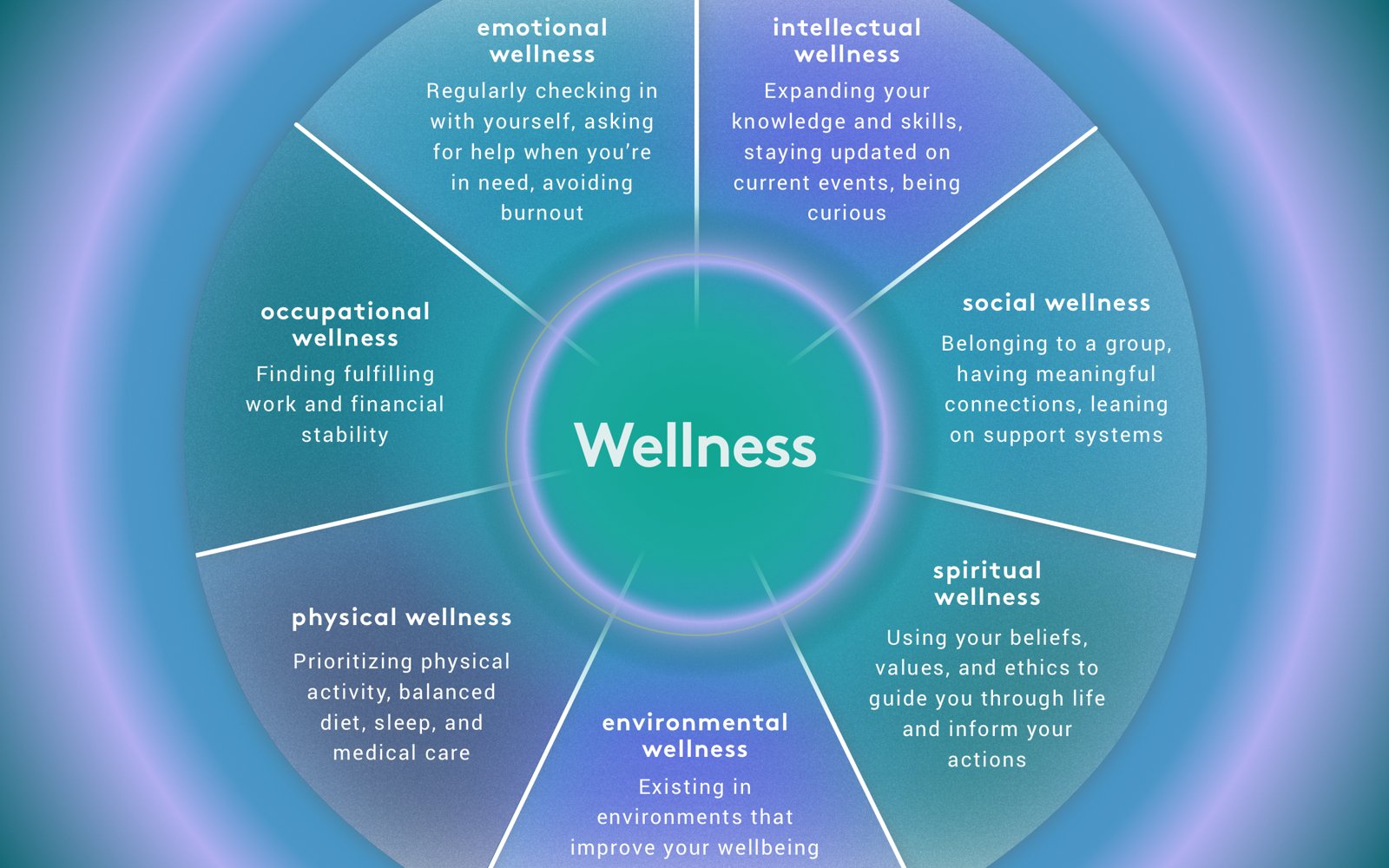
In today’s fast-paced and constantly evolving world, Emotional Wellness has become a central topic in health discussions. With increasing work pressure, digital distractions, and social expectations, individuals are facing more emotional challenges than ever before. As a result, experts and health organizations are emphasizing the importance of maintaining emotional balance alongside physical health.
The concept of Emotional Wellness goes beyond simply feeling happy. It involves understanding your emotions, managing stress effectively, and building resilience in the face of challenges. As awareness continues to grow, more people are beginning to recognize that emotional health plays a crucial role in overall well-being and quality of life.
What Is Emotional Wellness?
Emotional Wellness refers to the ability to recognize, understand, and manage your emotions in a healthy and productive way. It includes coping with stress, maintaining positive relationships, and having a sense of purpose. Unlike temporary feelings of happiness, emotional wellness focuses on long-term emotional stability and resilience.
Individuals with strong emotional wellness are able to navigate life’s ups and downs with greater ease. They are better equipped to handle stress, communicate effectively, and maintain a positive outlook even during difficult times. This does not mean they avoid negative emotions, but rather that they manage them in a balanced and healthy way.
Why Emotional Wellness Matters More Than Ever
The importance of Emotional Wellness has increased significantly in recent years due to rising mental health concerns worldwide. Factors such as social media, economic uncertainty, and demanding work environments contribute to increased stress and anxiety. This makes it essential for individuals to prioritize their emotional well-being.
Emotionally healthy individuals tend to be more productive, focused, and motivated. They are better decision-makers and experience fewer stress-related health issues. Additionally, emotional wellness contributes to a greater sense of satisfaction and happiness in everyday life.
The Connection Between Emotional Wellness and Physical Health
There is a strong link between Emotional Wellness and physical health. Chronic stress and unmanaged emotions can weaken the immune system, increase blood pressure, and lead to various health issues. On the other hand, maintaining emotional balance can improve sleep, boost immunity, and enhance overall physical well-being.
By managing stress and maintaining a positive mindset, individuals can reduce the harmful effects of stress hormones. This not only improves mental clarity but also supports long-term physical health, making emotional wellness a key component of a healthy lifestyle.
Common Challenges Affecting Emotional Wellness
Several factors can negatively impact Emotional Wellness in today’s world. Workplace stress is one of the leading causes, with long hours, tight deadlines, and job insecurity contributing to burnout. Social media also plays a role, as constant comparison and unrealistic expectations can lower self-esteem.
Relationship issues, financial stress, and lack of work-life balance further contribute to emotional strain. Recognizing these challenges is the first step toward improving emotional wellness and developing strategies to manage them effectively.
Practical Ways to Improve Emotional Wellness
Improving Emotional Wellness requires consistent effort and self-awareness. Practicing mindfulness can help individuals stay present and reduce stress levels. Physical activity is another effective method, as exercise releases endorphins that improve mood and reduce anxiety.
Building strong relationships is also essential, as supportive connections provide emotional stability. Additionally, managing stress through techniques such as meditation, journaling, and deep breathing can significantly improve emotional health. Seeking professional help when needed is another important step in maintaining emotional wellness.
Emotional Wellness in the Workplace
Organizations are increasingly recognizing the importance of Emotional Wellness in the workplace. Many companies are introducing wellness programs, flexible work arrangements, and mental health support to improve employee well-being.
A positive work environment not only enhances employee satisfaction but also increases productivity and reduces absenteeism. Employees who feel emotionally supported are more engaged and motivated, contributing to overall organizational success.
The Role of Technology in Emotional Wellness
Technology plays a dual role in Emotional Wellness. While excessive screen time and social media use can contribute to stress and anxiety, technology also offers tools for improving mental health.
Mobile apps for meditation, therapy, and stress management provide accessible resources for individuals seeking support. However, maintaining a balance between digital engagement and real-life interactions is essential for emotional well-being.
Read More: Breakthrough Vaccine Research Shows Promising Results
Emotional Wellness and Relationships
Healthy relationships are a key component of Emotional Wellness. Strong connections with family, friends, and colleagues provide emotional support and help individuals cope with stress. Effective communication, empathy, and trust are essential for maintaining these relationships.
People with good emotional wellness are better able to resolve conflicts and build meaningful connections. This leads to stronger personal and professional relationships, enhancing overall quality of life.
The Growing Awareness of Emotional Wellness
Public awareness of Emotional Wellness is increasing as more people recognize its importance. Governments, organizations, and educational institutions are promoting mental health initiatives and encouraging open conversations about emotional well-being.
This shift is helping to reduce stigma and create a supportive environment where individuals feel comfortable seeking help. As awareness continues to grow, emotional wellness is becoming a priority in both personal and professional settings.
The Future of Emotional Wellness
The future of Emotional Wellness looks promising, with continued advancements in mental health support and awareness. Innovations in technology, including AI-driven mental health tools, are making it easier for individuals to access support and resources.
Workplaces are expected to further integrate emotional wellness programs, and educational systems may include mental health education as a core component. These developments highlight the growing recognition of emotional wellness as an essential aspect of overall health.
FAQs
What is Emotional Wellness?
Emotional Wellness is the ability to understand and manage your emotions effectively.
It helps maintain balance, positivity, and mental strength in daily life.
Why is Emotional Wellness important?
Emotional Wellness improves mental health, relationships, and overall life satisfaction.
It also helps reduce stress and prevents long-term health issues.
How can I improve my Emotional Wellness?
You can improve Emotional Wellness through mindfulness, exercise, and healthy relationships.
Stress management and seeking support also play a key role.
What are signs of poor Emotional Wellness?
Common signs include constant stress, mood swings, anxiety, and lack of motivation.
Difficulty managing emotions and relationships is also an indicator.
How does Emotional Wellness affect physical health?
Poor Emotional Wellness can lead to stress-related illnesses and weak immunity.
Good emotional health improves sleep, energy, and overall physical well-being.
Can Emotional Wellness be improved over time?
Yes, Emotional Wellness can improve with consistent effort and healthy habits.
Practicing self-care and seeking help can make a big difference.
What role does stress play in Emotional Wellness?
Stress is a major factor that can negatively impact Emotional Wellness.
Managing stress effectively helps maintain emotional balance and stability.
Why is Emotional Wellness important in the workplace?
Emotional Wellness improves productivity, focus, and job satisfaction.
It also helps build better teamwork and a positive work environment.
Conclusion:
In conclusion, Emotional Wellness is a vital part of overall well-being that should not be overlooked. In a world filled with constant challenges and pressures, maintaining emotional balance is essential for personal growth, strong relationships, and long-term health. By prioritizing emotional wellness, individuals can lead more fulfilling lives and navigate life’s challenges with confidence and resilience.
