



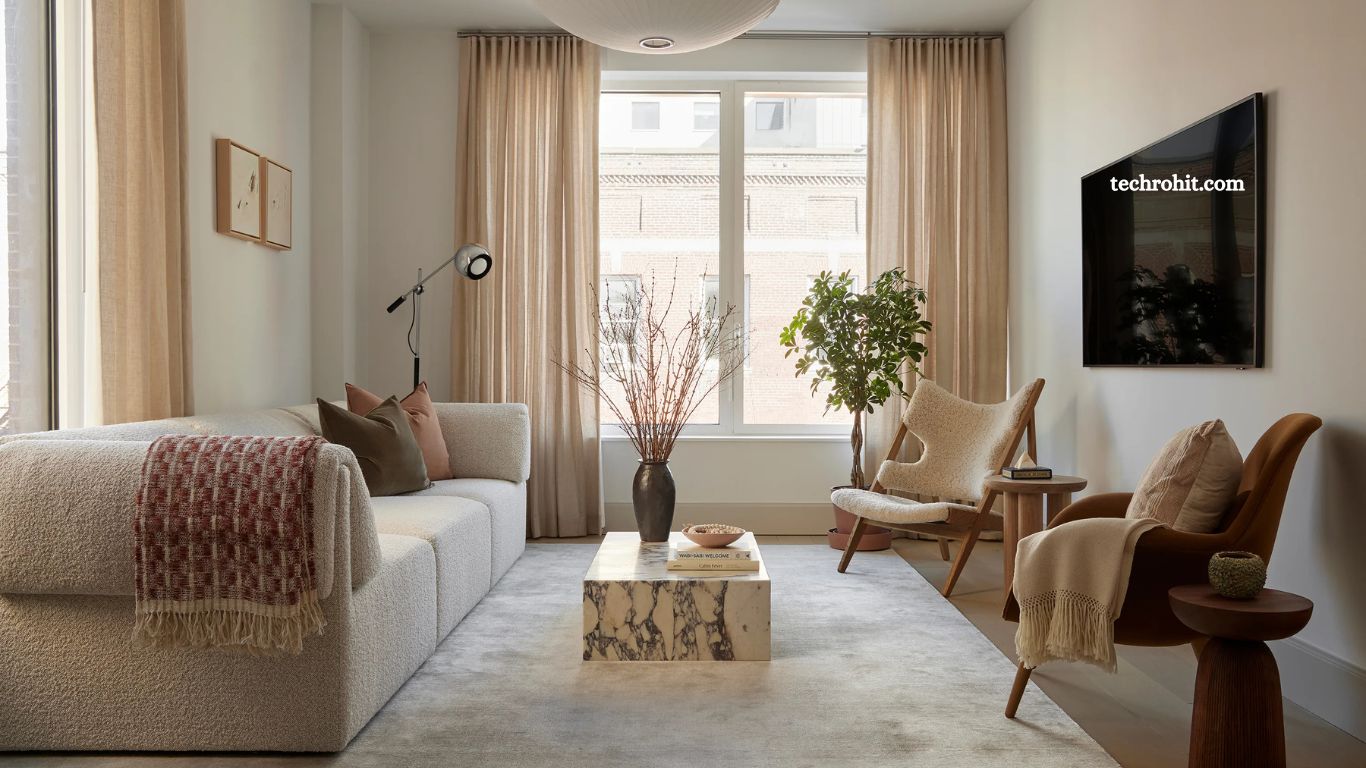
Minimalist home design shapes modern living spaces with clarity, purpose, and elegance. Clean lines, neutral palettes, and functional layouts define this style.
Making it a leading choice for homeowners, architects, and interior designers. Growing demand reflects a desire for calm environments, efficient spaces, and timeless aesthetics.
Read More: Travel Industry Reports Surge in Eco-Tourism Bookings
Rise of Minimalist Interiors
Minimalist interiors gained momentum as lifestyle shifts toward simplicity and intentional living gained momentum. Fast-paced routines increase the need for spaces that promote relaxation and mental clarity. Less clutter supports better focus, reduced stress, and improved well-being.
Design philosophy centers on “less but better.” Every element serves a purpose. Furniture, décor, and layout align with function and visual harmony. This approach creates balance without overwhelming the senses.
Key Elements of Minimalist Design
Clean Lines and Open Spaces
Straight lines and uncluttered layouts define minimalist interiors. Open floor plans enhance natural flow, allowing light and air to move freely. Space feels larger, brighter, and more inviting.
Neutral Color Palette
Soft tones such as white, beige, gray, and muted earth shades dominate minimalist homes. These colors create a calm atmosphere and allow architectural features to stand out. Subtle contrasts add depth without distraction.
Functional Furniture
Furniture pieces focus on utility and simplicity. Multi-purpose designs maximize space efficiency. Sleek shapes and smooth surfaces maintain visual consistency while supporting daily use.
Limited Décor
Minimalist spaces avoid excessive decoration. Carefully selected items add character without clutter. Art pieces, plants, or textured elements serve as focal points, enhancing aesthetic appeal.
Natural Light Emphasis
Large windows, sheer curtains, and open layouts increase natural light. Bright environments improve mood and reduce the need for artificial lighting. Light becomes a central design element.
Benefits of Minimalist Living
Minimalist home design offers practical and emotional advantages. Organized spaces improve productivity and reduce maintenance effort. Fewer items mean easier cleaning and better space management.
Calm surroundings support mental clarity and relaxation. Minimalism encourages mindful consumption, helping individuals focus on quality over quantity. Financial savings also result from reduced unnecessary purchases.
Minimalism in Modern Trends
Current interior trends integrate minimalism, sustainability, and smart living. Eco-friendly materials, energy-efficient systems, and durable furniture align with minimalist values. Technology blends seamlessly into design, maintaining clean aesthetics while enhancing convenience.
Urban living spaces benefit greatly from minimalist principles. Compact apartments use smart storage solutions and multifunctional layouts to maximize usability without compromising style.
How to Achieve Minimalist Interiors
Start with decluttering. Remove items without a clear purpose or value. Focus on essential furniture and functional décor. Choose neutral colors and maintain consistency across rooms.
Invest in quality over quantity. Select durable materials and timeless designs. Maintain open spaces and avoid overcrowding. Introduce natural elements such as wood, stone, or plants for warmth and texture.
Future of Minimalist Design
Minimalist home design continues evolving while maintaining core principles. Future trends emphasize personalization within simplicity. Spaces reflect individual identity without sacrificing clarity or balance.
Growing awareness of mental health, sustainability, and efficient living ensures continued popularity. Minimalism remains more than a design trend—it represents a lifestyle focused on intention, clarity, and long-term value.
Frequently Asked Questions
What defines minimalist home design?
Minimalist design focuses on simplicity, clean lines, neutral colors, and functional spaces with minimal clutter.
Why is minimalist design popular?
It creates calm environments, improves focus, and supports modern lifestyles with less stress and maintenance.
Which colors work best in minimalist interiors?
Neutral shades like white, beige, gray, and soft earth tones work best for a clean and balanced look.
Is minimalist design suitable for small homes?
Yes, it maximizes space through smart layouts and multi-functional furniture.
How can I start a minimalist home design?
Begin by decluttering, choosing essential items, and sticking to simple, functional décor.
Does minimalist design feel empty or boring?
No, it feels elegant and शांत (calm) when balanced with textures, light, and a few meaningful décor pieces.
Conclusion
Minimalist home design dominates interiors due to its balance of beauty, function, and simplicity. Clean spaces, thoughtful design choices, and purposeful living create environments that support modern lifestyles. As demand for clarity and efficiency grows, minimalist interiors will continue shaping homes worldwide.
