



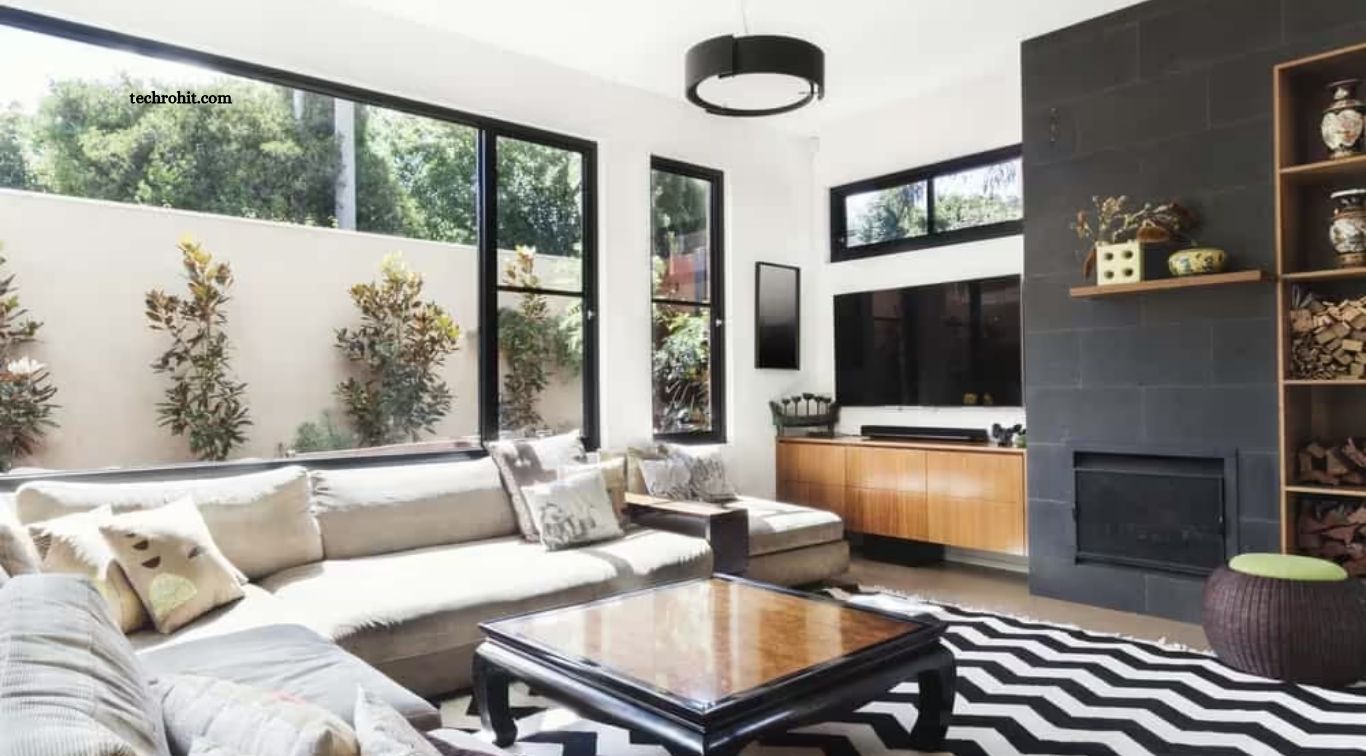
Modern home design focuses on creating comfortable, stylish, and functional living spaces that reflect your personality. Today’s homeowners are moving beyond traditional decorating rules and embracing natural materials, calming colors, open layouts, and smart technology. These trends help create homes that look attractive while supporting everyday activities and changing lifestyles.
Whether you are renovating an entire house or refreshing a single room, small design improvements can make a noticeable difference. You do not need an unlimited budget to create a modern interior. By choosing practical furniture, improving lighting, adding natural elements, and using colors thoughtfully, you can transform your home into a welcoming and contemporary space.
Read More: Easy DIY Home Improvement Projects for Beginners
Embrace Warm and Neutral Color Palettes
Warm neutral colors are a popular choice for modern home interiors because they create a relaxing and timeless atmosphere. Shades such as beige, cream, warm white, taupe, and soft gray work well in living rooms, bedrooms, and dining areas. These colors also provide a flexible foundation, making it easier to introduce new accessories or change your decorating style over time.
To make a neutral room feel interesting, combine different textures instead of relying on one color alone. For example, pair cream walls with wooden furniture, textured cushions, woven rugs, and linen curtains. You can also introduce darker accents through lamps, picture frames, or decorative objects. This approach creates depth and visual interest without making the space feel crowded.
Bring Nature Indoors With Natural Materials
Natural materials can make a home feel warmer, more inviting, and visually balanced. Wood, stone, cotton, linen, bamboo, and rattan are common choices for modern interiors. Wooden coffee tables, stone countertops, woven baskets, and natural-fiber rugs add texture while helping rooms feel connected to the outdoors.
You do not need to replace every surface to follow this trend. Start with a wooden side table, a linen throw, or a few woven storage baskets. If your budget allows, consider wood cabinetry or stone-inspired finishes for a larger change. Combining natural materials with simple furniture and soft lighting can create a comfortable interior that feels modern without appearing overly decorated.
Choose Minimalist Furniture With Clean Lines
Minimalist furniture remains a strong option for modern homes because it emphasizes simplicity, function, and uncluttered design. Sofas with clean silhouettes, streamlined dining tables, and simple shelving units can make a room feel organized. Furniture with raised legs may also create a sense of openness by allowing more of the floor to remain visible.
The key to successful minimalism is choosing useful pieces rather than removing everything that makes a home comfortable. Select furniture that fits the room and supports your daily routine. A practical coffee table with hidden storage or a compact dining table can provide both style and functionality. Add a few meaningful decorative items to keep the space personal rather than making it feel empty or impersonal.
Create a Cozy Living Room With Layered Textures
Layered textures are an effective way to make a modern living room feel comfortable and inviting. Instead of relying only on color, combine materials such as soft upholstery, knitted blankets, velvet cushions, wool rugs, and natural wood. These contrasting surfaces make the room more visually interesting while maintaining a coordinated appearance.
Begin with a comfortable sofa and build around it using cushions, throws, curtains, and a suitable area rug. Choose two or three complementary colors to keep the design consistent. For example, a beige sofa can work beautifully with olive cushions, a textured cream blanket, and a wooden coffee table. Avoid adding too many patterns or materials at once, as a balanced arrangement usually feels more relaxing.
Use Smart Lighting to Transform Every Room
Lighting plays an important role in modern home design because it affects the appearance, mood, and functionality of a space. Instead of depending on one bright ceiling light, combine several sources, including floor lamps, table lamps, wall lights, and task lighting. This layered approach allows you to adjust the atmosphere for reading, working, relaxing, or entertaining guests.
Warm lighting can make bedrooms and living rooms feel cozy, while brighter task lighting is useful in kitchens, bathrooms, and work areas. Dimmable lights offer additional flexibility, and smart bulbs can provide convenient control through compatible applications or voice assistants. Before installing new fixtures, consider the room’s natural light, ceiling height, and intended use to achieve a practical and attractive result.
Add Indoor Plants for a Fresh Look
Indoor plants are an easy way to introduce color, texture, and a natural element into modern interiors. A tall floor plant can fill an empty corner, while smaller plants can brighten shelves, desks, and windowsills. Green foliage also works well with neutral colors, wooden furniture, and minimalist decorating styles.
Choose plants according to your room’s lighting conditions and the amount of care you can provide. Low-maintenance options may suit busy households, while rooms with bright indirect light can accommodate a wider variety of plants. Use simple ceramic pots, woven planters, or matching containers to keep the arrangement coordinated. If pets or young children live in your home, check plant safety before bringing new varieties indoors.
Design an Open and Functional Living Space
Open layouts can make a home feel spacious by reducing visual barriers between connected areas. Combining a living room, dining area, and kitchen can improve movement and make shared spaces more suitable for family activities or entertaining. Even when structural changes are not possible, thoughtful furniture placement can create a similar sense of openness.
Use rugs, lighting, and furniture arrangements to define different zones without closing them off. For example, position a sofa to separate the living area from the dining space, or place a dining table near the kitchen for convenient everyday use. Maintain clear walking paths and avoid oversized furniture that blocks movement. A functional layout should support your lifestyle rather than simply imitate a particular design trend.
Make a Statement With Accent Walls
Accent walls offer a simple way to add personality without redesigning an entire room. A contrasting paint color, textured wallpaper, decorative wood panels, or a carefully arranged gallery can create a focal point. Living rooms, bedrooms, and home offices are particularly suitable spaces for experimenting with an accent wall.
Choose a wall that naturally attracts attention, such as the area behind a bed, sofa, or desk. Earthy green, deep blue, terracotta, and muted charcoal can create contrast against lighter surroundings. If you prefer a subtle look, consider a slightly darker version of your existing wall color or a textured finish. Keep nearby decorations balanced so the accent wall remains the main visual feature.
Incorporate Smart Home Technology
Smart home technology can improve convenience, comfort, and energy management. Connected lighting, smart thermostats, video doorbells, and compatible security systems allow homeowners to control selected features through mobile applications or voice commands. These devices can be especially useful for people who want more control over lighting schedules, indoor temperatures, and home security.
Start with one or two devices that solve a genuine problem rather than purchasing every available gadget. For example, smart bulbs can simplify lighting control, while programmable thermostats may help manage heating and cooling where supported. Check compatibility with your existing devices, review privacy settings, and secure accounts with strong passwords. A well-designed smart home should make daily routines easier without adding unnecessary complexity.
Maximize Storage in Small Spaces
Smart storage is essential for maintaining a clean and functional home, particularly when floor space is limited. Modern interiors often use multifunctional furniture, wall-mounted shelves, storage benches, and built-in cabinets to reduce clutter. These solutions help keep everyday items accessible while preserving valuable room for movement.
Look for unused areas that can support additional storage, such as the space beneath a bed, the back of a door, or the area above a desk. Storage boxes, drawer organizers, and baskets can also make cabinets easier to manage. Choose solutions that match your interior style and measure carefully before buying furniture. Organized storage can make even a small apartment feel more spacious and comfortable.
Mix Modern Design With Vintage Accents
Combining modern furniture with vintage accessories creates a home that feels individual rather than copied from a showroom. A contemporary sofa can look striking beside an antique wooden cabinet, an older decorative mirror, or a vintage side table. These contrasting elements add character and help preserve items that have personal or historical value.
To make the combination work, maintain a consistent color palette or repeat similar materials throughout the room. For example, a vintage wooden chair can complement modern furniture when its finish coordinates with the flooring or coffee table. Avoid filling every surface with decorative objects. A few carefully selected pieces usually create a stronger impression than a room crowded with unrelated styles.
Focus on Sustainable and Eco-Friendly Design
Sustainable home design emphasizes durability, responsible material choices, energy efficiency, and reduced waste. Homeowners can support these goals by selecting long-lasting furniture, repairing existing items, using efficient lighting, and considering recycled or responsibly sourced materials. These choices can also help create interiors that remain attractive beyond short-lived design trends.
You can introduce sustainable practices without carrying out a major renovation. Reuse furniture, purchase secondhand decorative pieces, improve natural lighting, and choose products designed to last. When replacing appliances or making larger upgrades, compare energy efficiency and maintenance requirements alongside the purchase price. Sustainable design is most effective when it combines environmental considerations with practical comfort and long-term value.
Frequently Asked Questions
What are the most popular modern home design trends?
Popular trends include warm neutral colors, natural materials, minimalist furniture, layered lighting, indoor plants, and smart home technology.
How can I make my home look modern on a budget?
Refresh wall colors, rearrange furniture, improve lighting, add affordable textiles, and remove unnecessary clutter.
Which colors work best in modern interiors?
Warm white, beige, taupe, soft gray, and earthy shades are versatile choices for contemporary homes.
How can I make a small home feel bigger?
Use multifunctional furniture, vertical storage, mirrors, lighter colors, and clear walking paths.
Are indoor plants suitable for modern home design?
Yes. Indoor plants add natural color and texture, provided you choose varieties suitable for your lighting and care routine.
How can I create a sustainable modern home?
Choose durable materials, reuse furniture, improve energy efficiency, and avoid unnecessary purchases.
Conclusion
Modern home design is about combining style, comfort, and functionality to create spaces that suit your everyday life. Warm colors, natural materials, minimalist furniture, layered lighting, and indoor plants can make interiors feel welcoming without requiring a complete renovation. Smart storage and carefully selected technology can also improve how your home works. The best approach is to choose trends that reflect your personality, available space, and budget. You do not need to follow every new idea to create an attractive home.
