



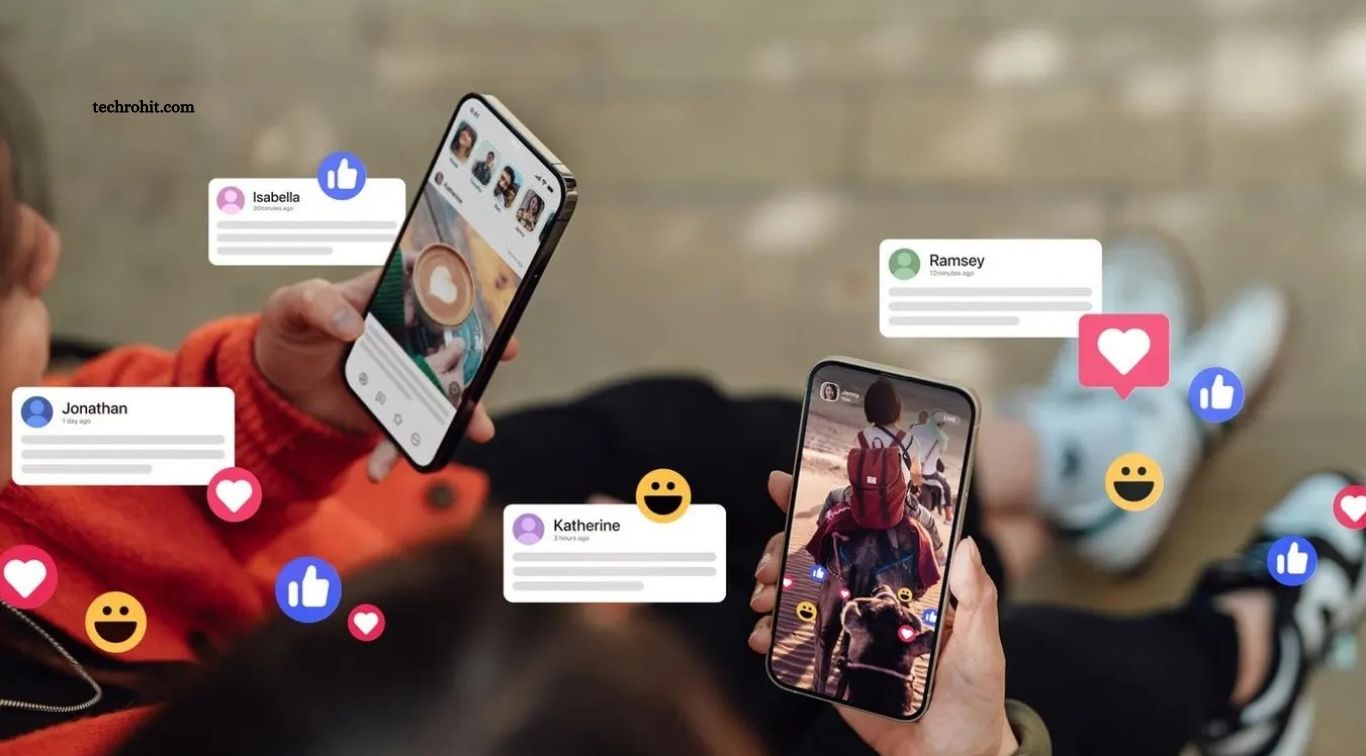
Social media has transformed the entertainment industry by changing how people discover music, watch videos, follow celebrities, and participate in popular culture. Platforms such as TikTok, Instagram, YouTube, and Facebook help entertainment trends spread rapidly across countries and communities. From viral dance challenges and movie reactions to celebrity updates and short comedy clips, digital content influences what millions of people watch and discuss every day.
Entertainment trends often become popular because they are relatable, creative, and easy to share. A catchy song, funny video, surprising celebrity moment, or memorable scene from a television show can quickly attract millions of views. Creators, brands, and entertainment companies use these trends to connect with audiences and promote their work. Understanding the latest social media entertainment trends helps users discover popular content and explains how online culture continues to evolve.
Read More: Top Music Albums Everyone Is Talking About
Short-Form Videos Continue to Dominate Social Media
Short-form videos remain a major part of online entertainment because they deliver engaging content in just a few seconds. TikTok, Instagram Reels, and YouTube Shorts allow creators to share comedy sketches, dance performances, lifestyle clips, movie edits, and quick storytelling videos. Their vertical format makes content easy to watch on mobile devices, while recommendation systems introduce users to videos that match their interests.
Creators often use trending audio, captions, visual effects, and fast editing to capture attention. A successful video may inspire thousands of similar posts, turning a simple idea into a worldwide trend. Although short videos can provide quick entertainment, originality and consistent quality help creators build loyal audiences. Content that makes people laugh, teaches something useful, or creates an emotional connection often encourages viewers to share it with friends.
Viral Music and Dance Challenges
Music plays an important role in shaping social media entertainment trends. A catchy chorus, memorable beat, or distinctive lyric can become popular when creators use it in dance videos, comedy clips, transitions, and personal stories. These videos help songs reach audiences who may not discover them through traditional radio or music streaming playlists.
Dance challenges also encourage people to participate rather than simply watch. Users recreate choreography, add personal variations, and invite friends to join the trend. This participation can help emerging artists gain attention and introduce established musicians to new listeners. However, viral popularity does not always guarantee long-term success, so artists often combine social media promotion with strong music releases, live performances, and direct engagement with fans.
Movie and TV Show Clips Going Viral
Movies and television shows generate significant discussion across social media, particularly when a scene becomes emotional, funny, surprising, or controversial. Fans share reactions, memorable dialogue, character edits, and theories about upcoming episodes. These posts can renew interest in older productions or encourage viewers to explore newly released films and streaming series.
Streaming platforms and entertainment studios also benefit when audiences discuss their content online. Trailers, interviews, behind-the-scenes footage, and cast announcements can build anticipation before a release. Fan communities often analyze storylines and debate character decisions, creating conversations that continue long after an episode or film ends. Viewers should still consider official release information and avoid relying on unverified clips that may misrepresent a story.
Celebrity News and Behind-the-Scenes Content
Celebrity content remains popular because audiences enjoy learning about the personal lives, careers, fashion choices, and creative projects of public figures. Instagram posts, interviews, livestreams, and behind-the-scenes videos can make celebrities appear more accessible. Fans also follow announcements about new films, music releases, tours, award ceremonies, and collaborations.
Direct communication between celebrities and followers has changed entertainment marketing. Artists can announce projects, respond to fan questions, and share personal updates without depending entirely on traditional media coverage. However, rumors and misleading headlines can spread just as quickly as genuine news. Checking verified accounts and reliable entertainment publications helps users distinguish confirmed announcements from speculation, edited screenshots, and fabricated stories.
Memes and Online Comedy Trends
Memes have become a central part of digital entertainment because they turn everyday experiences, popular characters, and current events into humorous content. A single image, phrase, or short video can inspire countless variations as people adapt it to their own situations. This flexibility allows memes to spread across different communities and remain relevant even when users change the original meaning.
Comedy creators also use relatable storytelling, exaggerated reactions, parody, and everyday observations to attract audiences. Their content often performs well because viewers enjoy sharing jokes that reflect their experiences or explain how they feel. Successful online comedy requires an understanding of timing, audience preferences, and platform culture. Creators who develop an original style can build recognizable identities instead of depending entirely on temporary viral formats.
Influencer Collaborations and Creator Communities
Influencer collaborations continue to shape social media entertainment by bringing different audiences together. Musicians work with video creators, actors appear in online interviews, and comedians collaborate with lifestyle influencers. These partnerships introduce viewers to new personalities while allowing creators to experiment with different formats and reach communities beyond their usual followers.
Creator communities also encourage audiences to participate through livestream chats, fan challenges, reaction videos, and interactive Q&A sessions. This connection can make entertainment feel more personal than traditional television or advertising. Brands often partner with creators to promote products, events, and entertainment releases, but transparent sponsorship disclosures are important. Audiences are more likely to trust recommendations when paid partnerships are clearly identified, and creators communicate honestly.
AI-Generated Entertainment and Digital Creativity
Artificial intelligence is creating new opportunities for digital entertainment. Creators can use AI-powered tools to generate visual effects, experiment with music, animate images, develop fictional characters, and produce creative concepts. These technologies can make certain production tasks faster and help beginners explore ideas that previously required specialized equipment or technical skills.
AI-generated content also raises questions about authenticity, copyright, and responsible use. Realistic synthetic images, altered celebrity videos, and AI-generated voices can mislead viewers when their origins are hidden. Creators should label synthetic content when appropriate, respect the rights of others, and avoid presenting fabricated events as genuine. As these tools become more accessible, originality, transparency, and thoughtful storytelling will remain important for building audience trust.
Live Streaming and Real-Time Audience Interaction
Live streaming gives audiences the opportunity to interact with creators while entertainment is happening. Gaming sessions, live music performances, comedy shows, interviews, and casual broadcasts allow viewers to ask questions and respond through comments. This immediate interaction can create a stronger sense of community than watching prerecorded videos alone.
Creators can also use livestreams to announce projects, demonstrate skills, host special events, and receive audience feedback. Features such as live chat, polls, and viewer participation make each broadcast feel different. However, successful livestreaming requires preparation, reliable technology, and moderation to maintain a positive environment. Creators who respect their communities and offer engaging experiences can develop loyal audiences over time.
Gaming Content and Esports Highlights
Gaming has become a major entertainment category on social media, attracting audiences through gameplay highlights, funny moments, tutorials, livestreams, and competitive esports events. Popular games can inspire challenges, character discussions, fan art, and reaction videos. These formats allow players to share experiences while helping newcomers discover games and learn basic strategies.
Esports content adds another dimension by turning competitive gaming into a spectator experience. Fans follow tournaments, professional players, team announcements, and memorable match moments. Short highlight clips make important plays easy to share, while longer videos provide analysis and commentary. Gaming creators can build successful communities by combining entertaining gameplay with useful information, respectful interaction, and consistent content.
How to Keep Up With Social Media Entertainment Trends
Following entertainment trends starts with exploring platform recommendations, popular hashtags, trending audio, creator accounts, and official entertainment pages. Each platform has its own audience and content style, so a trend that performs well on TikTok may appear differently on Instagram or YouTube. Checking multiple sources helps users discover a wider range of music, comedy, celebrity news, movies, and gaming content.
It is also useful to follow creators whose content matches personal interests instead of relying entirely on viral recommendations. Saving favorite videos, joining relevant communities, and checking verified announcements can make entertainment discovery more enjoyable. Remember that online popularity changes quickly, and not every trend deserves attention. Choosing trustworthy sources, respecting creators’ work, and maintaining a healthy balance between online activity and offline life can improve the overall experience.
Frequently Asked Questions
What entertainment trends are popular on social media?
Short videos, music challenges, memes, celebrity updates, gaming clips, and AI-generated content are common entertainment trends.
Which platforms are best for entertainment trends?
TikTok, Instagram, YouTube, and Facebook offer different types of trending entertainment content.
Why do entertainment trends go viral?
Relatable ideas, catchy audio, humor, emotional storytelling, and easy sharing can help content spread quickly.
How do influencers affect entertainment trends?
Influencers introduce trends, collaborate with artists, promote releases, and encourage audience participation.
Is AI changing online entertainment?
Yes. AI tools help creators experiment with visuals, music, animation, and other digital content.
How can I find reliable entertainment news?
Follow verified celebrity accounts, official studio pages, and reputable entertainment publications.
Conclusion
Entertainment trends that dominate social media reflect changing audience interests, digital creativity, and the growing influence of online communities. Short-form videos, viral music, celebrity updates, memes, gaming highlights, livestreams, and AI-generated content continue to shape how people experience entertainment. These trends offer creators new ways to connect with audiences while helping viewers discover fresh ideas and popular releases.

1 Comment
Pingback: Behind-the-Scenes Facts About Famous Movies - TechRohit