



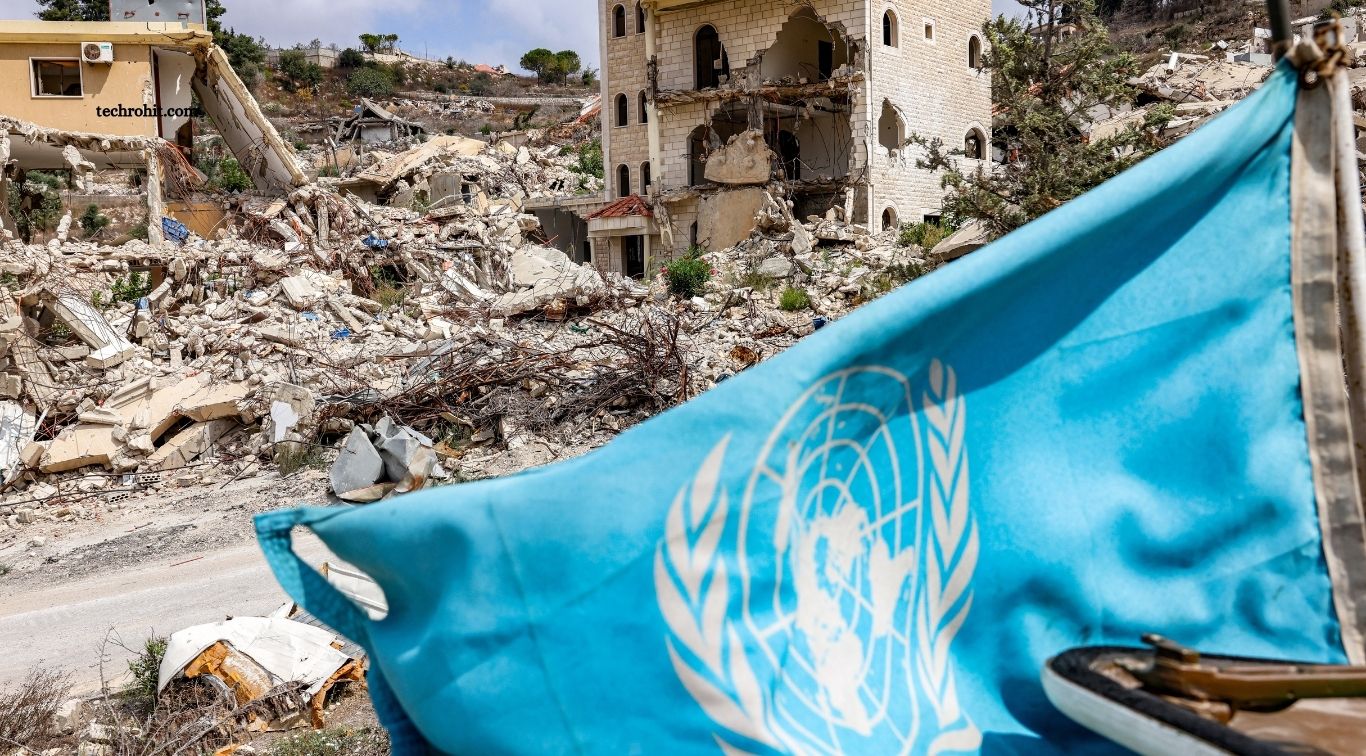
Nations around the world are facing complex political challenges that affect governments, economies, communities, and international relationships. Rapid technological change, economic pressure, social divisions, security concerns, and growing public expectations have made modern politics more complicated than ever. Governments must make difficult decisions while balancing national interests with the needs of citizens and the demands of an interconnected world.
The biggest political challenges facing nations today require strong leadership, responsible policies, and greater cooperation. Issues such as political polarization, corruption, misinformation, geopolitical tensions, economic inequality, and declining public trust can influence national stability. Understanding these challenges helps explain why governments struggle to create effective solutions in an increasingly uncertain global environment.
Read More: The Role of Social Media in Modern Politics
Political Polarization and Social Division
Political polarization has become a major challenge for many nations. Citizens are increasingly divided over political parties, social values, economic policies, immigration, and national identity. When political disagreements become extreme, cooperation between opposing groups becomes difficult, making it harder for governments to pass effective policies and respond quickly to national problems.
Social division can also weaken public confidence in democratic institutions. Political debates often become emotionally charged, especially on social media, where misleading information can spread quickly. Governments and political leaders need to encourage respectful debate, transparent communication, and policies that focus on shared national interests rather than deepening existing divisions.
Economic Inequality and Political Pressure
Economic inequality remains one of the most important political challenges facing nations today. Rising living costs, unemployment, unequal access to opportunities, and differences in wealth can create frustration among citizens. When people feel that economic systems benefit only a small section of society, dissatisfaction with political institutions can increase.
Governments must balance economic growth with policies that support ordinary citizens. Affordable education, healthcare, employment opportunities, social protection, and fair taxation can help reduce economic pressure. Creating inclusive economic policies is essential for maintaining social stability and preventing economic inequality from becoming a deeper political crisis.
Corruption and Lack of Government Transparency
Corruption continues to affect political systems in many parts of the world. Misuse of public funds, favoritism, weak accountability, and abuse of political power can reduce trust in government institutions. When citizens believe public resources are being used for private interests, confidence in leadership and democratic processes can decline.
Transparency and accountability are important tools for reducing corruption. Governments can strengthen independent institutions, improve public financial reporting, support investigative journalism, and enforce laws fairly. Political systems become stronger when citizens can see how decisions are made and how public resources are managed.
Misinformation and Political Disinformation
The rapid growth of digital platforms has created new challenges for governments and voters. False information, manipulated content, misleading headlines, and coordinated disinformation campaigns can influence public opinion and political decisions. Artificial intelligence and advanced digital tools have also made it easier to create convincing but misleading content.
Protecting society from misinformation requires a balanced approach. Governments need to promote media literacy while protecting freedom of expression and access to information. Citizens also have a responsibility to verify sources before sharing political claims. Independent journalism, reliable information platforms, and responsible digital behavior can help create a healthier political environment.
Geopolitical Tensions and International Conflicts
Geopolitical competition is another major political challenge facing nations today. Competition over territory, resources, trade, technology, military power, and strategic influence can increase tensions between countries. Conflicts in one region can also affect global energy prices, supply chains, migration, food security, and international markets.
Nations increasingly need diplomacy and international cooperation to manage geopolitical risks. Dialogue, peaceful negotiations, international agreements, and stronger diplomatic relationships can help prevent disagreements from becoming larger conflicts. At the same time, governments must protect national security while avoiding unnecessary escalation with other countries.
Climate Change and Environmental Politics
Climate change has become an important political issue because environmental problems can affect economies, food supplies, public health, infrastructure, and national security. Governments must make long-term decisions about energy production, emissions, water resources, transportation, and environmental protection while considering the economic costs of these policies.
Political leaders face the difficult task of balancing environmental responsibility with economic development. Investment in renewable energy, sustainable infrastructure, efficient transportation, and climate-resilient communities can help nations prepare for future risks. Successful environmental policies require cooperation between governments, businesses, scientists, and citizens.
Migration and Refugee Challenges
Migration has become a politically sensitive issue in many countries. Economic opportunities, conflicts, political instability, climate-related disasters, and humanitarian crises can encourage people to move across borders. Governments must manage immigration policies while addressing security concerns and protecting the rights of migrants and refugees.
The political debate surrounding migration can also increase social tensions. Effective migration policies require clear legal frameworks, international cooperation, fair border management, and practical integration programs. Governments can reduce political conflict by addressing the economic and humanitarian factors that contribute to migration.
Declining Public Trust in Political Institutions
Public trust plays an important role in a stable political system. When citizens lose confidence in politicians, governments, elections, courts, or public institutions, democratic participation can weaken. Broken promises, corruption, poor communication, political scandals, and ineffective public services can contribute to declining trust.
Rebuilding political trust requires consistent action rather than simple promises. Governments should communicate openly, deliver essential public services, respond to citizens’ concerns, and hold officials accountable for misconduct. Political institutions become more credible when citizens can see measurable improvements in their daily lives.
Cybersecurity and Digital Political Threats
Technology has transformed modern politics while creating new security risks. Cyberattacks can target government systems, election infrastructure, public databases, and critical national services. Foreign interference and digitally coordinated campaigns can also create challenges for national security and democratic institutions.
Governments need strong cybersecurity strategies to protect sensitive systems and public information. Regular security upgrades, trained cybersecurity professionals, international cooperation, and effective digital regulations can reduce potential risks. Protecting digital infrastructure has become an essential part of modern national security.
Rising Populism and Political Extremism
Populist movements often gain support when citizens feel ignored by traditional political institutions. Economic difficulties, cultural disagreements, corruption, and dissatisfaction with established political parties can create opportunities for leaders who promise rapid and dramatic change. Populism can bring attention to genuine public concerns, but extreme political rhetoric can also increase social divisions.
Political extremism creates additional challenges when disagreements turn into hostility toward opposing groups or institutions. Governments and political leaders can reduce these risks by addressing legitimate public concerns, strengthening democratic institutions, and encouraging peaceful political participation. Healthy democracies depend on competition between ideas without abandoning basic principles of tolerance and rule of law.
The Future of Global Politics
The political challenges facing nations today are closely connected. Economic inequality can increase political polarization, misinformation can reduce public trust, geopolitical conflicts can increase migration, and climate change can create additional economic and security pressures. Because these problems cross national borders, individual governments cannot always solve them alone.
The future of global politics will depend on how effectively nations adapt to these changing conditions. Strong institutions, transparent leadership, responsible technology policies, economic opportunity, international cooperation, and informed citizens can help countries manage political uncertainty. Governments that focus on long-term solutions rather than short-term political gains will be better prepared for future challenges.
Frequently Asked Questions
What is the biggest political challenge facing nations today?
Political polarization, economic inequality, corruption, and declining public trust are among the biggest challenges facing nations today.
How does political polarization affect countries?
Political polarization can increase social division, reduce cooperation, and make it harder for governments to create effective policies.
Why is economic inequality a political problem?
Economic inequality can create public dissatisfaction, increase social tensions, and reduce trust in political institutions.
How does misinformation affect politics?
Misinformation can influence public opinion, create confusion, spread division, and affect political decisions.
Why is corruption a major political challenge?
Corruption can misuse public resources, weaken institutions, reduce government effectiveness, and damage citizens’ trust.
How can nations address political challenges?
Nations can address political challenges through transparent leadership, strong institutions, responsible policies, public participation, and international cooperation.
Conclusion
The biggest political challenges facing nations today include polarization, economic inequality, corruption, misinformation, geopolitical tensions, climate change, migration, declining public trust, cybersecurity threats, and political extremism. These challenges can influence national stability and shape relationships between governments and citizens. Addressing them requires practical policies, accountable leadership, and greater cooperation across political and social groups.

1 Comment
Pingback: How Foreign Policy Shapes International Relations - TechRohit