


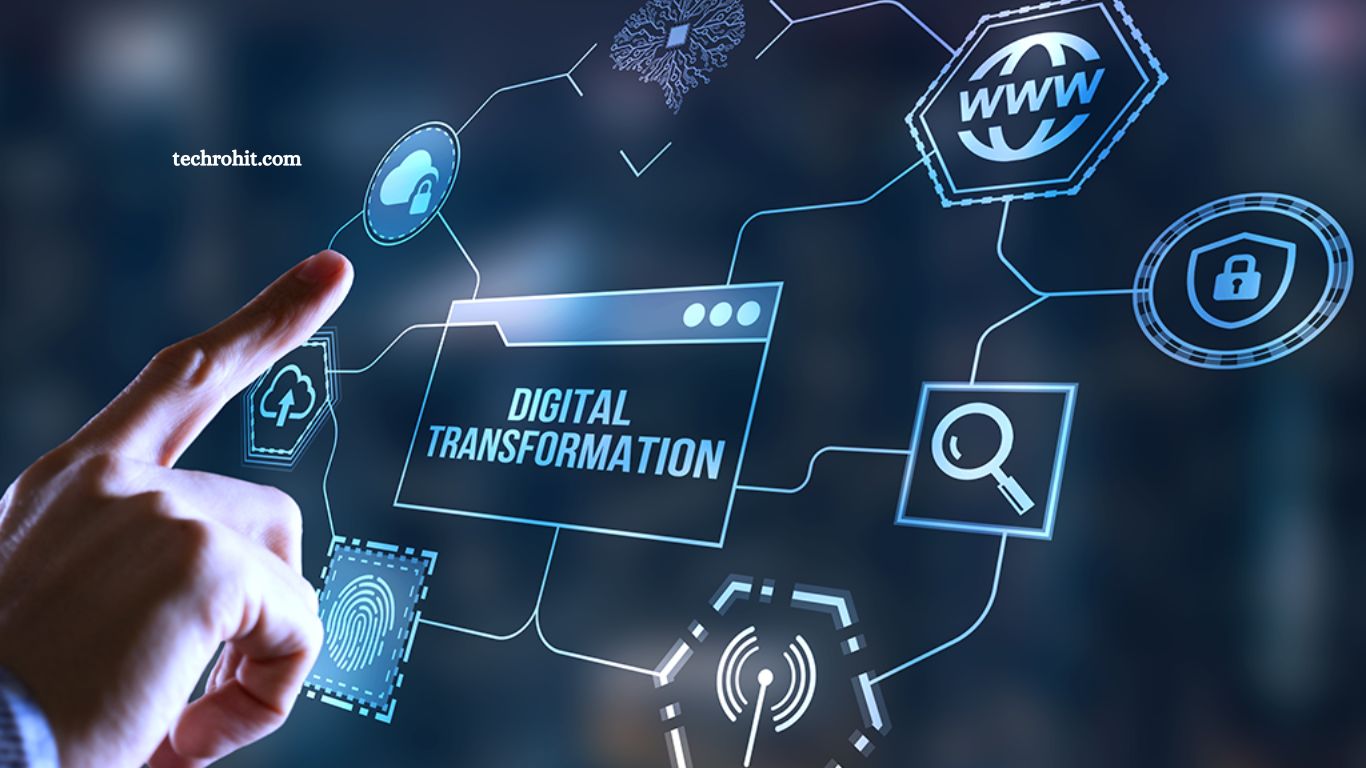
Digital transformation continues reshaping modern businesses across every industry. Advanced technologies, automation, cloud platforms, artificial intelligence, and data analytics create new opportunities for growth, efficiency, and customer engagement.
Organizations embracing digital innovation gain stronger competitive advantages, improved productivity, and sustainable success. Business leaders no longer view digital transformation as an option. Rapid technological evolution demands continuous adaptation to changing market expectations and customer behaviors.
Read More: Common Business Mistakes That Cost Companies Millions
Understanding Digital Transformation
Digital transformation refers to integrating digital technologies into business processes, operations, products, and customer experiences. This shift improves performance, accelerates innovation, and supports long-term growth.
Modern companies rely on digital tools to optimize workflows, enhance communication, and deliver better services. Digital transformation creates flexible organizations capable of responding quickly to market demands.
Key Technologies Driving Digital Transformation
Artificial Intelligence
Artificial intelligence helps businesses automate repetitive tasks, analyze large datasets, and improve decision-making. AI-powered systems enhance customer support, marketing strategies, and operational efficiency.
Cloud Computing
Cloud technology provides secure access to applications, storage, and business resources. Organizations benefit from scalability, cost savings, and improved collaboration among teams working from different locations.
Big Data Analytics
Data analytics enables businesses to understand customer behavior, market trends, and operational performance. Accurate insights support smarter decisions and better strategic planning.
Internet of Things (IoT)
Connected devices collect valuable information that improves productivity and asset management. Manufacturing, healthcare, logistics, and retail industries increasingly rely on IoT solutions.
Automation
Automation streamlines repetitive processes, reduces human error, and increases efficiency. Businesses achieve faster operations while lowering costs and improving accuracy.
Impact on Customer Experience
Customer expectations continue evolving. Digital transformation helps organizations deliver personalized experiences, faster services, and seamless interactions across multiple channels.
Online platforms, mobile applications, chatbots, and AI-driven recommendations create stronger customer relationships. Companies capable of providing convenient experiences enjoy higher customer satisfaction and loyalty.
Improved Operational Efficiency
Digital solutions simplify complex processes and eliminate unnecessary delays. Automated workflows enhance productivity and allow employees to focus on strategic activities.
Benefits include:
- Faster business operations
- Reduced operating costs
- Better resource management
- Higher employee productivity
- Improved communication across departments
Efficient operations contribute directly to profitability and business growth.
Remote Work and Digital Collaboration
Modern workplaces increasingly depend on digital collaboration tools. Cloud platforms, video conferencing, project management software, and communication applications support remote teams.
Flexible work environments improve employee satisfaction while enabling organizations to access talent from different locations. Digital transformation creates agile workplaces capable of maintaining productivity under changing circumstances.
Data-Driven Decision Making
Successful organizations rely on data instead of assumptions. Real-time analytics provide valuable insights into customer preferences, sales performance, and market opportunities.
Business leaders use these insights to:
- Develop effective marketing campaigns
- Predict market trends
- Improve products and services
- Identify new growth opportunities
- Reduce risks through informed decisions
Data-driven strategies strengthen competitive positioning.
Cybersecurity Becomes Essential
Growing digital adoption increases cybersecurity requirements. Organizations must protect sensitive information, customer records, and digital assets.
Strong cybersecurity practices include:
- Multi-factor authentication
- Data encryption
- Regular security updates
- Employee awareness training
- Continuous network monitoring
Robust security frameworks protect business continuity and customer trust.
Challenges During Digital Transformation
Digital transformation offers significant benefits, yet organizations often face challenges such as:
Resistance to Change
Employees may hesitate when adapting to new technologies. Proper training and leadership support encourage smoother transitions.
Budget Constraints
Technology investments require careful planning. Businesses must prioritize solutions delivering long-term value.
Skills Gap
Digital environments demand specialized expertise. Continuous learning programs help employees develop relevant skills.
Security Concerns
Expanding digital infrastructure increases exposure to cyber threats. Strong security policies minimize risks.
Strategic planning helps organizations overcome these obstacles.
Competitive Advantage Through Innovation
Digital transformation enables faster innovation and stronger market positioning. Businesses adopting emerging technologies can launch products quickly, improve customer experiences, and respond effectively to changing demands.
Innovation-driven organizations attract customers, strengthen brand reputation, and maintain long-term profitability.
Future Outlook
Digital transformation will continue influencing every aspect of business operations. Artificial intelligence, machine learning, blockchain, and advanced analytics will drive future developments.
Companies investing in digital capabilities today position themselves for sustainable growth tomorrow. Adaptability, innovation, and technology integration will remain essential factors behind business success.
Frequently Asked Questions
What is digital transformation?
Digital transformation involves using digital technologies to improve business operations and customer experiences.
Why is digital transformation important for businesses?
It increases efficiency, supports innovation, and helps businesses remain competitive.
Which technologies drive digital transformation?
Artificial intelligence, cloud computing, automation, IoT, and data analytics drive digital transformation.
How does digital transformation improve customer experience?
It enables personalized services, faster support, and seamless digital interactions.
What are common challenges during digital transformation?
Resistance to change, budget limitations, skills gaps, and cybersecurity concerns are common challenges.
How does digital transformation affect business growth?
It improves productivity, reduces costs, and creates new opportunities for long-term growth.
Conclusion
Digital transformation is changing modern businesses through innovation, automation, and data-driven strategies. Organizations embracing digital technologies improve efficiency, enhance customer experiences, and strengthen competitiveness. Businesses prepared for continuous technological evolution gain greater resilience and stronger opportunities for growth.
