



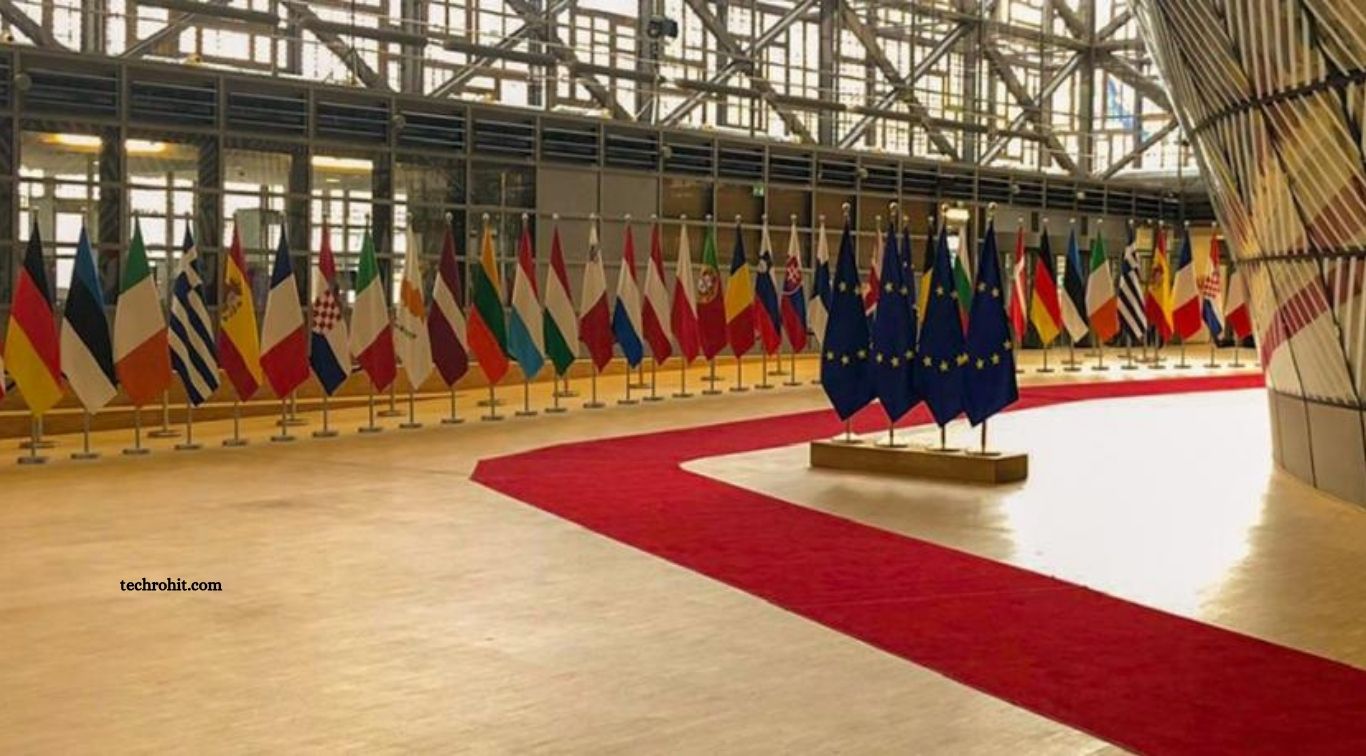
Foreign policy plays a major role in shaping how countries interact with each other. Every nation develops policies based on its national interests, security needs, economic goals, political values, and relationships with other states.
These decisions influence diplomacy, trade, international cooperation, conflicts, and global stability. Understanding how foreign policy works helps explain why countries form alliances, impose sanctions, negotiate agreements, or change their position on global issues.
Read More: Biggest Political Challenges Facing Nations Today
What Is Foreign Policy?
Foreign policy refers to the strategies and decisions a country uses when dealing with other nations and international organizations. Governments use foreign policy to protect national interests, strengthen security, expand economic opportunities, and build diplomatic relationships. Leaders consider both domestic priorities and international developments before making important decisions.
Foreign policy can change over time because global conditions are constantly evolving. Changes in leadership, economic conditions, military threats, regional conflicts, technological developments, and public opinion can influence a country’s international approach. A strong foreign policy usually balances national interests with the need for cooperation.
The Role of Diplomacy in International Relations
Diplomacy is one of the most important tools of foreign policy. Countries use diplomatic communication to solve disagreements, negotiate agreements, maintain partnerships, and prevent conflicts. Embassies, international meetings, diplomatic visits, and peace negotiations all help governments communicate their interests.
Effective diplomacy can create trust between countries and open opportunities for cooperation. Even when nations disagree, diplomatic channels can reduce tensions and provide peaceful ways to manage disputes. This makes diplomacy an essential part of stable international relations.
Foreign Policy and National Security
National security strongly influences foreign policy decisions. Governments often build relationships with other countries to protect their borders, citizens, and strategic interests. Military alliances, intelligence cooperation, defense agreements, and joint security programs can become important parts of international partnerships.
Security concerns can also create tensions between countries. When one nation views another country’s military expansion or strategic partnerships as a threat, diplomatic relations may become difficult. As a result, foreign policy can either strengthen international security or contribute to greater rivalry.
Economic Interests and Global Trade
Foreign policy has a direct connection with international trade and economic development. Countries negotiate trade agreements, investment partnerships, economic cooperation programs, and market-access arrangements to support their economies. Strong economic relationships can create jobs, increase investment, and improve access to global markets.
Economic policies can also be used as diplomatic tools. Tariffs, sanctions, trade restrictions, and financial agreements can influence the behavior of other countries. When used carefully, economic diplomacy can encourage cooperation without direct military confrontation.
Foreign Policy and International Alliances
Alliances allow countries to work together around shared security, economic, or political interests. Foreign policy determines which nations a country chooses to cooperate with and how deeply those relationships develop. Long-term partnerships can influence defense planning, international negotiations, and regional stability.
Alliances can also affect the balance of power. When several countries cooperate closely, other nations may adjust their own foreign policies in response. This creates a constantly changing international system where decisions made by one country can influence many others.
The Impact of Foreign Policy on Global Conflicts
Foreign policy can play an important role in preventing, managing, or increasing international conflicts. Countries may use negotiations, mediation, sanctions, or diplomatic pressure to address disputes. Peace agreements and international cooperation can help reduce tensions and create long-term stability.
On the other hand, aggressive foreign policies can increase mistrust and rivalry. Military intervention, territorial disputes, economic pressure, and hostile diplomatic statements may contribute to wider tensions. This shows why responsible foreign policy is important for maintaining international peace.
International Organizations and Foreign Policy
International organizations provide countries with platforms for cooperation and negotiation. Organizations such as the United Nations, World Trade Organization, and regional institutions allow governments to discuss shared challenges and develop common solutions.
Foreign policy influences how countries participate in these organizations. Governments may support international agreements, vote on global resolutions, contribute to peacekeeping efforts, or negotiate policies that protect their national interests. These actions can influence global decision-making and international cooperation.
How Foreign Policy Responds to Global Challenges
Modern foreign policy must address challenges that cross national borders. Climate change, cyber threats, pandemics, terrorism, migration, energy security, and technological competition require cooperation between multiple countries. No single nation can easily solve many of these problems alone.
As global challenges become more complex, governments increasingly combine diplomacy with economic, technological, and environmental cooperation. Countries that maintain flexible foreign policies can respond more effectively to changing international conditions while protecting their long-term interests.
The Importance of Public Opinion
Public opinion can also influence foreign policy. Citizens often expect their governments to protect national interests while avoiding unnecessary conflicts and supporting economic development. Elections, media coverage, political debates, and social movements can shape how leaders approach international issues.
Government leaders therefore need to consider both international objectives and domestic expectations. A foreign policy that lacks public support may face political challenges, while policies that successfully connect national interests with international cooperation can receive stronger backing.
Frequently Asked Questions
What is foreign policy?
Foreign policy is a country’s strategy for managing relationships with other nations.
How does foreign policy affect international relations?
It influences diplomacy, trade, security, alliances, conflicts, and global cooperation.
Why is diplomacy important?
Diplomacy helps countries resolve disputes, negotiate agreements, and maintain peaceful relationships.
How does foreign policy support national security?
It builds alliances, strengthens defense cooperation, and helps countries respond to international threats.
Can foreign policy affect global trade?
Yes, trade agreements, tariffs, sanctions, and economic partnerships can influence global commerce.
How does foreign policy promote global stability?
Effective foreign policy encourages cooperation, reduces tensions, and supports peaceful solutions to international problems.
Conclusion
Foreign policy is one of the strongest forces shaping international relations. It influences diplomacy, security, trade, alliances, conflicts, and international cooperation. Every decision made by a government can affect its relationships with other countries and contribute to broader global developments. In an interconnected world, successful foreign policy requires careful decision-making, effective diplomacy, and an understanding of changing global conditions.
