



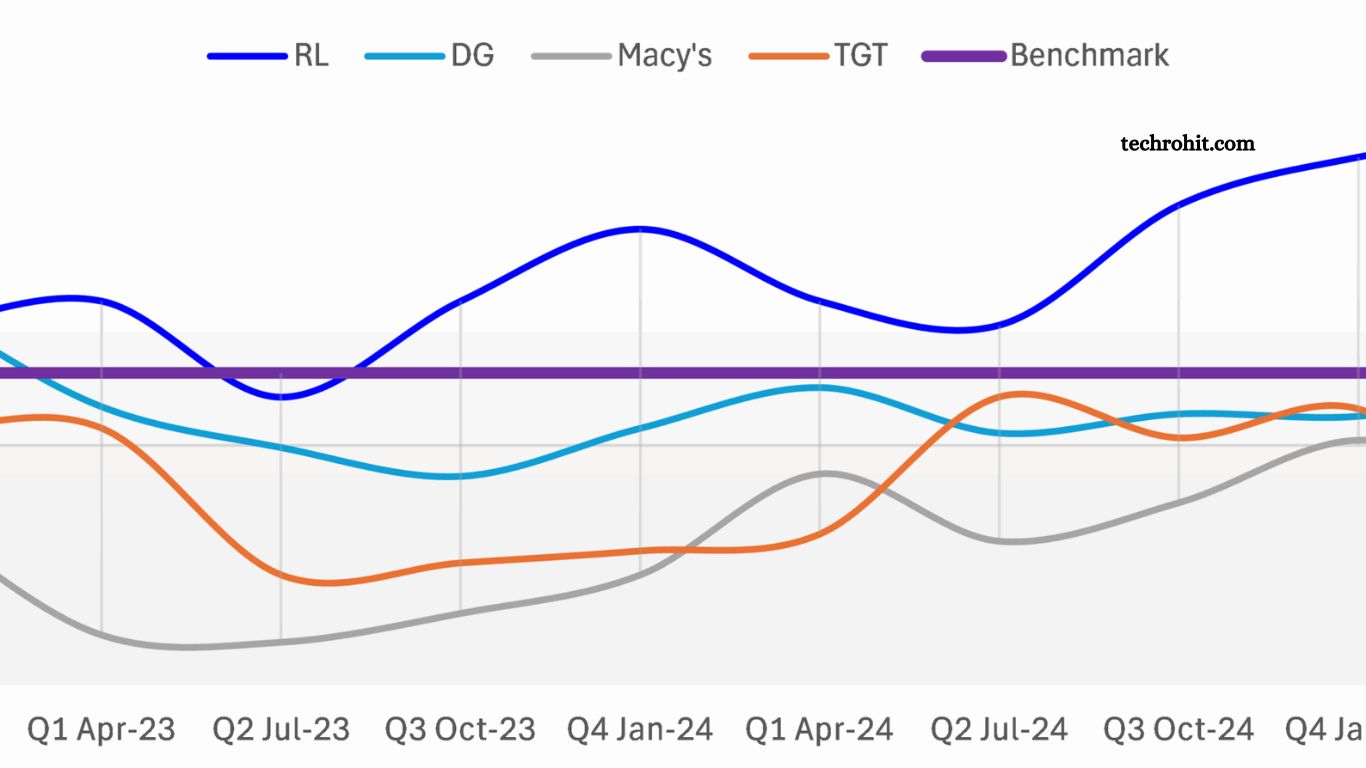
Recent inflation data highlights a major transformation in consumer behavior. Rising prices across essential sectors push households toward smarter spending patterns, value-focused decisions, and digital purchasing channels. Market analysts observe clear signals: consumer priorities evolving rapidly under persistent economic pressure.
Understanding these trends helps businesses, policymakers, and investors anticipate future market movement. Inflation nois longer a simple economic statistic; inflation is a powerful indicator guiding consumption habits, product demand, and retail strategy.
Read More: Public Infrastructure Projects Receive Major Funding Boost
Inflation Pressure Reshaping Spending Behavior
A high inflation environment reduces purchasing power. Consumers respond through strategic budgeting, reduced discretionary spending, and preference toward essential goods.
Key behavioral shifts include:
- Increased focus on necessities such as groceries, housing, and utilities
- Reduced spending across luxury products and non-essential services
- Greater reliance on discount retailers and private-label brands
- Expansion of price comparison habits before purchase decisions
Households increasingly prioritize value rather than brand loyalty. Cost efficiency dominates purchasing decisions across multiple income groups.
Growth of Value-Driven Consumption
Inflation accelerates demand for affordability. Consumers actively search for lower prices, bulk discounts, and promotional offers.
Important patterns include:
- Private Label Expansion
Retailers report stronger demand for store brands. Lower price points attract cost-sensitive buyers while maintaining acceptable product quality. - Discount Retail Dominance
Discount chains, warehouse stores, and wholesale marketplaces gained a larger market share due to competitive pricing structures. - Subscription Fatigue
Consumers cancel or reduce entertainment subscriptions, premium memberships, and optional digital services to control monthly expenses.
These patterns highlight growing consumer discipline within financial planning.
Digital Commerce Becoming Primary Shopping Channel
Inflation indirectly strengthens digital commerce adoption. Online platforms allow rapid price comparison, coupon access, and deal discovery.
Key drivers include:
- Price transparency across marketplaces
- Algorithm-driven discount recommendations
- Convenience combined with cost awareness
- Access to flash sales and limited-time promotions
Mobile shopping applications increasingly function as financial decision tools, not simply purchasing platforms.
Changing Food and Grocery Habits
Food inflation strongly influences consumer lifestyle adjustments. Grocery spending now involves strategic planning.
Observed shifts include:
- Meal planning replaces spontaneous purchases
- Increased cooking at home rather than dining out
- Preference toward bulk purchases
- Rising demand for frozen and shelf-stable products
Households adopt efficiency-focused consumption patterns designed to maximize value per purchase.
Generational Differences in Inflation Response
Different age groups respond to inflation pressure differently.
- Younger Consumers
Millennials and Gen Z demonstrate high adoption of digital coupons, price-tracking apps, and second-hand marketplaces. - Middle-Income Families
Families prioritize budget control, switching grocery brands, nd reducing entertainment spending. - Older Consumers
Older demographics often reduce travel, luxury spending, and restaurant visits to protect savings.
These generational patterns influence retail marketing strategies and product development.
Business Adaptation Strategies
Companies react quickly to shifting consumer expectations.
Successful strategies include:
- Expansion of value product lines
- Increased promotional campaigns
- Flexible pricing strategies
- Loyalty programs designed around savings
Retailers investing in data analytics gain an advantage through a deeper understanding of consumer price sensitivity.
Long-Term Market Implications
If inflation remains persistent, several structural changes may continue shaping markets:
- Stronger growth within the discount retail sector
- Higher demand for budget-friendly product innovation
- Expansion of digital price comparison tools
- Increased consumer emphasis on financial efficiency
Consumer mindset increasingly shifts toward value optimization, and is likely to last after inflation stabilizes.
Frequently Asked Questions
What does inflation data indicate about consumer behavior?
Inflation data shows consumers shifting toward essential purchases, budget planning, and value-focused shopping habits.
How does inflation impact consumer spending?
Inflation reduces purchasing power, causing households to limit discretionary spending and prioritize necessities.
Why do consumers prefer private-label products during inflation?
Private-label products offer lower prices while maintaining acceptable quality, helping consumers save money.
How does inflation influence online shopping trends?
Consumers increasingly use online platforms for price comparison, discounts, and promotional deals.
Which industries benefit during high inflation periods?
Discount retailers, wholesale stores, and budget-friendly brands often experience increased demand.
Will consumer habits return to normal after inflation decreases?
Some habits may remain, especially value-driven shopping and digital price comparison practices.
Conclusion
Inflation data reveals more than rising prices. Inflation exposes fundamental transformation within consumer decision-making. Households adapt through disciplined spending, value-driven shopping, and digital price monitoring.
